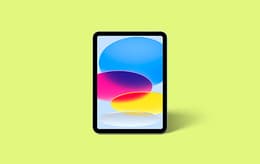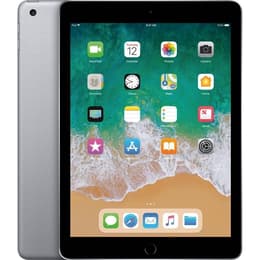


iPad 5 (2017, A9 series) Vs iPad 7 (2019, A10 series)

iPad 5 (2017, A9 series)
Starting at

Refurbished price:£48.50

Versus £339.00 new

See options
iPad 7 (2019, A10 series)
Starting at

Refurbished price:£78.00

Versus £349.00 new

See options

Ratings

The iPad 2017, also known as the 5th generation iPad, and the iPad 2019, or 7th generation iPad, represent two distinct iterations of Apple's entry-level tablet line. Released in March 2017 and September 2019 respectively, these devices share the foundational iPadOS experience but offer key differences in their internal components and capabilities. The 2019 model introduces a larger display, an updated processor, and enhanced accessory support, setting it apart from its predecessor.

Scores

Durability

When considering the longevity of these tablets, their release timelines and software support are primary factors. Both devices are built with durable aluminum enclosures, designed for everyday use.

  • Release Timeline: The iPad 2017 was released in March 2017, while the iPad 2019 followed in September 2019. This two-and-a-half-year difference impacts their expected software support lifespan.
  • OS Support: The iPad 2017 launched with iOS 10 and received updates up to iPadOS 16.7.5, which was its final major operating system update as of March 2026. The iPad 2019, introduced with iPadOS 13, continues to receive major updates, currently supporting iPadOS 18.7.5. This means the 2019 model offers a longer period of access to the latest software features and security enhancements.
  • Repairability: Neither model features a fully laminated display, meaning the display panel and the outer glass are separate components. This design choice can sometimes simplify screen repairs, potentially making them less complex than on models with laminated displays.

Year of Release

2017

2019

Compatible with latest Update

No

Yes

OS

iPadOS

iPadOS

Maximum Operating System supported

iPadOS 16

iPadOS 18

Performance

The performance of these iPads is largely determined by their internal processing power and memory, influencing how smoothly they handle applications and multitasking.

  • Processor Capabilities: The iPad 2017 is equipped with an A9 chip, providing solid performance for general tasks, web browsing, and casual gaming. The iPad 2019 features the A10 Fusion chip, which offers improved processing power and graphical performance compared to the A9. This translates to a more responsive experience, particularly with demanding applications and more complex games.
  • Multitasking and Responsiveness: The iPad 2017 comes with 2GB of RAM. The iPad 2019 increases this to 3GB of RAM, which significantly benefits multitasking, allowing users to keep more applications open in the background and switch between them more smoothly without experiencing slowdowns.
  • Storage Options: Both models were available with 32GB or 128GB of internal storage. The choice of storage capacity impacts how many apps, photos, videos, and documents can be stored directly on the device.

Memory (GB)

2 GB

3 GB

Processor

Apple A9

Apple A10 Fusion

Screen quality

The visual experience on these tablets is defined by their display technology, size, and clarity, which affect everything from reading to media consumption.

  • Display Technology and Size: The iPad 2017 features a 9.7-inch Retina IPS LCD. The iPad 2019 upgrades to a slightly larger 10.2-inch Retina IPS LCD. Both displays offer a resolution that results in a pixel density of 264 pixels per inch (ppi), providing clear and detailed visuals for typical viewing distances.
  • Clarity and Brightness: Both models offer a brightness of around 500 nits, which is suitable for indoor use and generally adequate for outdoor viewing, though direct sunlight can still cause reflections. Neither display is fully laminated, meaning there is a small air gap between the glass and the LCD panel. This can sometimes lead to a less 'direct' touch experience and increased reflections compared to laminated displays found on more premium models.
  • Viewing Experience: The larger screen of the iPad 2019 provides a more expansive canvas for watching videos, browsing the web, and using split-screen multitasking, enhancing the overall viewing experience.

Resolution

2048 x 1536

2160 x 1620

True Tone

No

No

Pro-Motion

No

No

Screen type

Retina display

Retina display

Pixel density

264ppp

264ppp

Brightness

500 nits brightness

500 nits brightness

Sound quality

Speakers

Stereo speakers

Stereo speakers

Audiovisual

The camera systems and audio capabilities of these iPads are designed for everyday use, including video calls, casual photography, and media playback.

  • Camera System: Both the iPad 2017 and iPad 2019 feature identical camera specifications. They include an 8-megapixel rear camera with an f/2.4 aperture, capable of recording 1080p HD video at 30 frames per second. The front-facing camera on both is a 1.2-megapixel sensor with an f/2.2 aperture, suitable for 720p HD video calls.
  • Photography Performance: These cameras are well-suited for scanning documents, participating in video conferences, and capturing casual photos in good lighting conditions. However, for high-quality photography or low-light situations, users may find the performance to be adequate rather than exceptional.
  • Audio Experience: Both tablets are equipped with stereo speakers, providing a balanced audio output for consuming media such as videos and music. They also retain a 3.5mm headphone jack, offering a traditional option for private listening.

Miscellaneous

Beyond the core specifications, several practical elements contribute to the overall user experience and versatility of these iPad models.

  • Connectivity and Ports: Both iPads support Wi-Fi (802.11ac) for fast wireless internet and Bluetooth 4.2 for connecting accessories. Optional cellular models are available for connectivity on the go. Both devices utilize the Lightning port for charging and wired accessories, and they include a 3.5mm headphone jack.
  • Security and Accessories: Both models feature Touch ID, Apple's fingerprint recognition technology, for secure unlocking and authentication. A notable addition to the iPad 2019 is the Smart Connector, which allows for direct connection to accessories like Apple's Smart Keyboard, expanding its productivity potential without needing Bluetooth pairing or separate charging. The iPad 2017 does not have this connector.
  • Physical Characteristics: The iPad 2017 measures 240 x 169.5 x 7.5 mm and weighs 469 grams for the Wi-Fi model. The iPad 2019 is slightly larger and heavier at 250.6 x 174.1 x 7.5 mm and 483 grams for the Wi-Fi model, primarily due to its larger screen. Both maintain a similar thickness.

Weight

469 g

483 g

Width

16.95 cm

17.41 cm

Height

24 cm

25.06 cm

Depth

0.75 cm

0.75 cm

Screen size (in)

9.7

10.2

Network

Wi-Fi

Wi-Fi

Carrier compatibility

Without SIM Port

Without SIM Port

Wi-Fi technology

Wi-Fi 6 802.11a/b/g/n/ac

Wi-Fi 6 802.11a/b/g/n/ac

Bluetooth Version

Bluetooth 4.2

Bluetooth 4.2

Face ID

No

No

Touch ID

Yes

Yes

Connector

Lightning connector

Lightning connector

User feedback for the iPad 2017 often highlights its dependable performance for basic tasks and its role as an accessible entry point into the iPad ecosystem. Users frequently praise its solid battery life and the overall iOS experience for media consumption and web browsing. Criticisms often point to its non-laminated display and the aging camera system.

The iPad 2019 generally receives positive remarks for its larger screen, which enhances the viewing and multitasking experience. The inclusion of the Smart Connector and the increased RAM are also frequently cited as significant improvements, making it more versatile for productivity. Some users note that while the processor is an upgrade, it wasn't the latest available at its release, and the non-laminated display remains a point of discussion.

For users prioritizing a cost-effective tablet primarily for casual use such as web browsing, video streaming, and light app usage, the iPad 2017 remains a capable choice. It suits students or individuals seeking a reliable device for everyday digital consumption. Users who require a slightly larger screen, improved multitasking capabilities, and the convenience of connecting a Smart Keyboard for more intensive typing tasks, such as note-taking or document creation, may find the iPad 2019 to be a more suitable option. Its extended software support also offers a longer functional lifespan for those who value up-to-date features.

Both models offer a quality-assured refurbished option, providing an eco-friendly alternative for those looking to make an informed and sustainable purchasing decision.


See all articles

Our recent comparisons