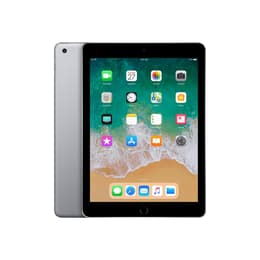
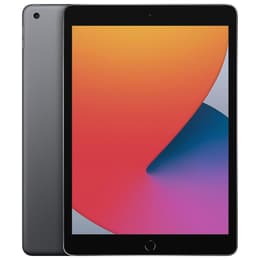

iPad 6 (2018, A10 series) Vs iPad 8 (2020, A12 series)

iPad 6 (2018, A10 series)
Starting at

Refurbished price:£53.00

Versus £399.00 new

See options
iPad 8 (2020, A12 series)
Starting at

Refurbished price:£90.00

Versus £329.00 new

See options

Ratings

The iPad 2018 (6th generation) and the iPad 2020 (8th generation) are two standard-tier tablet models from Apple, offering a balance of features for everyday use. While both devices operate on Apple's iPadOS, the 2020 model introduces a more capable internal processor and a slightly larger display, providing a notable upgrade in overall responsiveness and visual experience.

Scores

Durability

The longevity of a tablet is often determined by its hardware's ability to handle new software and its physical resilience. The iPad 2018 and iPad 2020 offer different timelines for expected software support and practical lifespan.

  • Software Support: The iPad 2018, released in March 2018, has received major iPadOS updates for several years and is currently compatible with iPadOS 17. The iPad 2020, launched in September 2020, also supports iPadOS 17 and is expected to receive major software updates for a longer period due to its more recent release, extending its functional life. [2, 3, 4, 6, 8, 10, 13, 16, 21]
  • Physical Durability: Both models feature a similar aluminum unibody design and maintain a consistent depth of 7.5 mm. While neither explicitly highlights advanced durability features like Ceramic Shield, their construction provides a solid feel for daily handling. [1, 2, 7, 8, 10, 14, 15, 18, 21, 22]
  • Practical Lifespan: Users can expect the iPad 2020 to remain capable for demanding applications and multitasking for a longer duration, primarily due to its more advanced internal components. The iPad 2018 remains suitable for lighter tasks, but its performance headroom is more limited for future software iterations.

Year of Release

2018

2020

Compatible with latest Update

No

Yes

OS

iPadOS

iPadOS

Maximum Operating System supported

iPadOS 17

iPadOS 18

Performance

Performance is a key differentiator between these two iPad models, primarily driven by their respective internal processors and memory configurations. The iPad 2020 offers a more robust experience for demanding applications and multitasking.

  • Processing Power: The iPad 2018 is equipped with a processor that handles everyday tasks, web browsing, and casual gaming smoothly. The iPad 2020 features a more advanced processor with a Neural Engine, which significantly enhances its capability for complex operations, faster app loading, and more efficient handling of graphics-intensive applications and machine learning tasks. [1, 2, 3, 4, 5, 6, 7, 8, 9, 10, 12, 14, 16, 17, 19, 20, 21, 22, 24, 25]
  • Multitasking and Responsiveness: The iPad 2020 benefits from 3GB of RAM, providing a smoother experience when switching between multiple applications or running several processes simultaneously. The iPad 2018, with 2GB of RAM, is competent for general use but may show more hesitation with numerous open apps or very demanding workflows. [3, 4, 5, 6, 8, 9, 11, 19, 22, 24]
  • Storage and Battery Behavior: Both models offer 32GB and 128GB storage options. In terms of battery, both are rated for up to 10 hours of web surfing on Wi-Fi or video playback. The iPad 2020's more efficient processor may contribute to slightly better real-world battery management under similar workloads. [1, 2, 3, 5, 6, 7, 8, 9, 10, 11, 12, 14, 18, 19, 20, 21, 22, 24]

Memory (GB)

2 GB

3 GB

Processor

Apple A10 Fusion

Apple A12 Bionic

Screen quality

The visual experience on these two iPads is largely consistent, though the iPad 2020 offers a slightly larger canvas for content consumption and productivity.

  • Display Technology and Clarity: Both the iPad 2018 and iPad 2020 feature a Retina IPS LCD display, delivering sharp text and clear images with a pixel density of 264 pixels per inch. The resolution is 2048 x 1536 for the 2018 model and 2160 x 1620 for the 2020 model, both maintaining excellent visual fidelity. [1, 2, 3, 4, 5, 6, 7, 8, 9, 10, 11, 12, 13, 14, 15, 16, 18, 19, 21, 22, 24, 25]
  • Size and Brightness: The iPad 2018 has a 9.7-inch display, while the iPad 2020 expands to a 10.2-inch display, offering a slightly more expansive viewing area. Both displays offer a typical brightness of 500 nits, ensuring good visibility in various indoor lighting conditions. [1, 2, 3, 4, 5, 6, 7, 8, 9, 10, 11, 12, 13, 14, 15, 16, 18, 19, 21, 22, 24, 25]
  • Screen Features: Both models include a fingerprint-resistant oleophobic coating. Neither display is fully laminated, which means there is a small gap between the glass and the LCD panel. They both support the first-generation Apple Pencil for creative and note-taking tasks. [1, 2, 3, 5, 11, 12, 14, 19, 25]

Resolution

2048 x 1536

2160 x 1620

True Tone

No

No

Pro-Motion

No

No

Screen type

Retina display

Retina display

Pixel density

264ppp

264ppp

Brightness

500 nits brightness

500 nits brightness

Sound quality

Speakers

Stereo speakers

Stereo speakers

Audiovisual

The camera systems on both the iPad 2018 and iPad 2020 are designed for general use, video calls, and document scanning rather than advanced photography, offering similar specifications.

  • Rear Camera Performance: Both iPads feature an 8-megapixel rear camera with an f/2.4 aperture. They are capable of capturing still photos with HDR and recording 1080p HD video at 30 frames per second, along with slow-motion video at 720p at 120 frames per second. This setup is suitable for casual photography and scanning documents. [1, 2, 3, 5, 6, 8, 9, 11, 12, 13, 16, 19, 22, 24, 25]
  • Front Camera for Communication: For video calls and selfies, both devices include a 1.2-megapixel FaceTime HD front camera. The iPad 2018 has an f/2.2 aperture, while the iPad 2020 has an f/2.4 aperture. Both support 720p HD video recording and include a Retina Flash for improved lighting in low-light conditions. [1, 2, 3, 5, 6, 8, 9, 11, 12, 16, 19, 22, 24, 25]
  • Audio Experience: Both models are equipped with stereo speakers, providing a clear audio output for media consumption and video calls. They also retain a 3.5mm headphone jack, offering a traditional option for private listening. [1, 2, 5, 6, 9, 10, 19, 20, 21, 22, 24, 25, 26]

Miscellaneous

Beyond core performance and display, several practical elements contribute to the overall user experience of these iPad models, including connectivity, physical design, and security features.

  • Connectivity and Ports: Both the iPad 2018 and iPad 2020 support Wi-Fi (802.11a/b/g/n/ac) with dual-band capabilities and Bluetooth 4.2. Cellular models for both offer LTE connectivity. Both devices utilize a Lightning port for charging and data transfer, and importantly, both retain a 3.5mm headphone jack. The iPad 2020 adds a Smart Connector, enabling direct attachment of accessories like the Smart Keyboard. [1, 2, 3, 5, 6, 7, 8, 9, 10, 11, 12, 13, 19, 20, 21, 22, 25, 26]
  • Physical Characteristics: The iPad 2018 measures 240 x 169.5 x 7.5 mm and weighs 469g (Wi-Fi model). The iPad 2020 is slightly larger at 250.6 x 174.1 x 7.5 mm and weighs 490g (Wi-Fi model). Both maintain a slim profile and are constructed with an aluminum back and frame, offering a durable yet lightweight feel. [1, 2, 7, 8, 10, 12, 14, 15, 16, 18, 21, 22]
  • Security and Accessories: Both iPads feature Touch ID for secure authentication. They both support the first-generation Apple Pencil, making them suitable for note-taking and drawing. The addition of the Smart Connector on the iPad 2020 provides a more integrated experience with compatible keyboard accessories. [1, 2, 3, 5, 6, 11, 12, 14, 19, 25, 26]

Weight

469 g

490 g

Width

16.95 cm

17.41 cm

Height

24 cm

25.06 cm

Depth

0.75 cm

0.75 cm

Screen size (in)

9.7

10.2

Network

Wi-Fi

Wi-Fi

Carrier compatibility

Without SIM Port

Without SIM Port

Wi-Fi technology

Wi-Fi 6 802.11a/b/g/n/ac

Wi-Fi 6 802.11a/b/g/n/ac

Bluetooth Version

Bluetooth 4.2

Bluetooth 4.2

Face ID

No

No

Touch ID

Yes

Yes

Connector

Lightning connector

Lightning connector

The iPad 2018 and iPad 2020 both offer reliable tablet experiences, but cater to slightly different user needs based on their respective capabilities. Users frequently praise the iPad 2018 for its solid performance for everyday tasks and its continued software support, making it a practical choice for general use. However, some users note its limitations when running more demanding applications or engaging in heavy multitasking. [4, 11]

The iPad 2020, on the other hand, is often lauded for its enhanced processing power, which provides a noticeably smoother experience for gaming, creative work, and more intensive productivity tasks. Its slightly larger screen and the inclusion of the Smart Connector are also frequently highlighted as beneficial upgrades. A common point of feedback for both models, particularly the 2020 version, is the front camera's resolution, which some users find less than ideal for high-quality video conferencing. [3, 19, 25]

For users prioritizing a tablet for basic web browsing, email, media consumption, and light productivity, the iPad 2018 remains a capable device. Those who require more performance headroom for demanding apps, a slightly larger display, or seamless integration with a Smart Keyboard will find the iPad 2020 better suited to their needs. Opting for a quality-assured refurbished option for either model can be an eco-friendly alternative for consumers seeking to make an informed and sustainable choice.

See all articles

Our recent comparisons