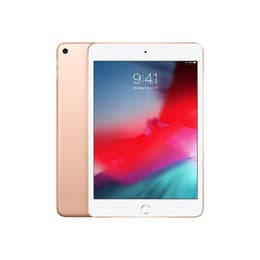

Galaxy Tab S8 (11.0", 2022) Vs iPad mini 5 (2019, A12 series)

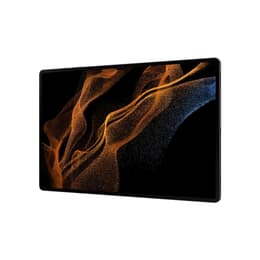
Galaxy Tab S8 (11.0", 2022)
Starting at

Refurbished price:£262.00

Versus £745.19 new

See options
iPad mini 5 (2019, A12 series)
Starting at

Refurbished price:£104.00

Versus £529.00 new

See options

Ratings

The Samsung Galaxy Tab S8, released in 2022, and the Apple iPad Mini 5th Generation, launched in 2019, represent distinct approaches to the tablet experience. While the Galaxy Tab S8 offers a larger display and runs on Android, the iPad Mini 5 provides a more compact form factor powered by Apple's iPadOS. These devices cater to different user preferences, primarily differing in their operating systems, screen sizes, and overall design philosophies.

Scores

Durability

When considering the longevity of these tablets, several factors come into play, including their release dates, software support, and repairability.

  • Release Timeline and Age: The Galaxy Tab S8 was released in February 2022, making it a newer device compared to the iPad Mini 5th Generation, which debuted in March 2019. This age difference inherently impacts their remaining software support and hardware relevance.
  • OS Support Duration: Samsung has committed to providing four major Android OS upgrades and five years of security updates for the Galaxy Tab S8 series, meaning OS updates are expected until 2026 (Android 16) and security updates until 2027. The iPad Mini 5, despite its older release, has received consistent iPadOS updates and is supported up to iPadOS 26 (released September 2025), with potential for further updates, indicating a longer software support period from Apple.
  • Repairability: The iPad Mini 5 received a low repairability score of 2 out of 10 from iFixit, primarily due to the extensive use of adhesive for components like the battery and display, making repairs challenging. The Galaxy Tab S8, while not exceptionally easy to repair, received a slightly higher score of 5.5 out of 10 from PBKreviews, suggesting a somewhat more accessible internal design.

Year of Release

2022

2019

Compatible with latest Update

Yes

Yes

OS

Android

iPadOS

Performance

The performance of a tablet is largely determined by its internal processing power, which influences app responsiveness, multitasking capabilities, and overall user experience.

  • Processor Capabilities: The Galaxy Tab S8 is equipped with a current-generation processor, enabling it to handle demanding applications and multitasking smoothly. The iPad Mini 5 features a capable chip that, despite its age, still provides a very smooth and responsive experience for everyday tasks and many demanding applications.
  • Multitasking and Responsiveness: Both tablets offer fluid navigation and quick app loading. The Galaxy Tab S8's larger display and Android's multi-window features allow for efficient use of multiple applications simultaneously. The iPad Mini 5, while smaller, also handles multitasking with ease, allowing users to run several apps without significant slowdowns.
  • Storage and RAM: The Galaxy Tab S8 offers configurations with 8GB or 12GB of RAM and storage options of 128GB or 256GB, expandable via microSD card up to 1TB. The iPad Mini 5 comes with 3GB of RAM and storage options of 64GB or 256GB, without expandable storage.

Memory (GB)

8 GB

3 GB

Screen quality

The display is a primary interaction point for tablets, and both devices offer distinct visual experiences based on their technology and size.

  • Display Technology and Size: The Galaxy Tab S8 features an 11-inch LTPS TFT LCD, providing a bright and vibrant viewing area. In contrast, the iPad Mini 5 has a more compact 7.9-inch Retina IPS LCD, known for its sharp image quality and color accuracy.
  • Resolution and Clarity: The Galaxy Tab S8 offers a resolution of 2560 x 1600 pixels, resulting in a pixel density of approximately 276 pixels per inch. The iPad Mini 5's 2048 x 1536 resolution on its smaller screen yields a higher pixel density of 326 pixels per inch, contributing to very sharp text and images.
  • Brightness and Refresh Rate: The Galaxy Tab S8 features a 120Hz refresh rate, contributing to smoother scrolling and more fluid animations. The iPad Mini 5 has a standard 60Hz refresh rate but offers 500 nits of brightness, Wide Color (P3) support, and True Tone technology for adaptive white balance.

Resolution

1600 x 2560

2048 x 1536

Screen type

TFT LCD

Retina display

Pixel density

280ppp

326ppp

Audiovisual

While tablets are not typically primary photography devices, their camera systems are important for video calls, document scanning, and casual photography.

  • Rear Camera Capabilities: The Galaxy Tab S8 includes a dual-camera setup on the rear, with a 13MP main sensor and a 6MP ultra-wide lens, capable of recording 4K video at 30 frames per second. The iPad Mini 5 features an 8MP rear camera with an f/2.4 aperture, capable of 1080p HD video recording.
  • Front Camera for Video Calls: For video conferencing and selfies, the Galaxy Tab S8 has a 12MP ultra-wide front camera with auto-framing features. The iPad Mini 5 offers a 7MP FaceTime HD front camera, which records 1080p HD video at 30 frames per second and is generally considered suitable for video calls.
  • Audio Experience: The Galaxy Tab S8 boasts quad stereo speakers with AKG tuning and Dolby Atmos support, along with three microphones for clear audio recording. The iPad Mini 5 includes stereo speakers and dual microphones, providing a good audio experience for media consumption and calls.

Miscellaneous

Beyond core specifications, practical features like connectivity, ports, and physical design contribute to the overall usability of a tablet.

  • Connectivity and Ports: The Galaxy Tab S8 supports modern connectivity standards including optional 5G, Wi-Fi 6E, and Bluetooth 5.2, featuring a versatile USB Type-C 3.2 port. The iPad Mini 5 offers Wi-Fi (802.11ac) and Bluetooth 5.0, with an optional LTE model, and utilizes a Lightning port for charging and data transfer, alongside a 3.5mm headphone jack.
  • Biometric Security: The Galaxy Tab S8 integrates a fingerprint scanner into its power button for secure unlocking. The iPad Mini 5 features Touch ID, Apple's fingerprint recognition technology, embedded in its home button.
  • Design and Accessories: The Galaxy Tab S8 has an 11-inch display and comes with the S Pen included, enhancing its utility for creative and productivity tasks. The iPad Mini 5, with its 7.9-inch display, maintains a classic Apple tablet design and supports the first-generation Apple Pencil, which is sold separately.

Weight

507 g

300 g

Screen size (in)

11.0

7.9

Network

Wi-Fi

Wi-Fi

Carrier compatibility

Without SIM Port

Without SIM Port

The Samsung Galaxy Tab S8 and the iPad Mini 5th Generation cater to different user needs and preferences, largely defined by their ecosystems and form factors. The Galaxy Tab S8 is often praised for its bright, vivid display, excellent battery life, and the inclusion of the S Pen, making it a strong contender for users seeking a larger Android tablet experience with productivity features. Users appreciate its solid performance for everyday tasks and its robust audio quality.

Conversely, the iPad Mini 5 is lauded for its highly portable size, sharp Retina display, and the enduring performance of its processor, which still handles most applications smoothly. Its long software support from Apple is a significant advantage for users prioritizing longevity. Common criticisms for the iPad Mini 5 often revolve around its older design with larger bezels and the lower repairability score due to internal adhesive. For the Galaxy Tab S8, some users note that while its performance is strong for an Android tablet, it may not match the raw processing power of some contemporary Apple devices.

Users prioritizing a larger screen for media consumption, multitasking, and a more desktop-like experience with the included stylus may find the Galaxy Tab S8 well-suited to their needs. Its expandable storage and Android ecosystem offer flexibility. On the other hand, users who value extreme portability, a compact form factor for reading or note-taking, and a long-term software commitment will likely lean towards the iPad Mini 5. Both devices, when considered as quality-assured refurbished options, provide an eco-friendly alternative for consumers looking to make informed and sustainable choices.
See all articles

Our recent comparisons