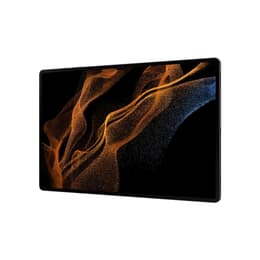
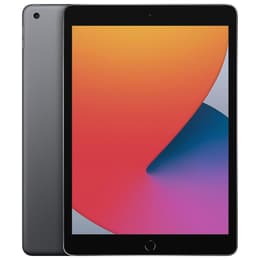

Galaxy Tab S8 (11.0", 2022) Vs iPad 8 (2020, A12 series)

Galaxy Tab S8 (11.0", 2022)
Starting at

Refurbished price:£262.00

Versus £745.19 new

See options
iPad 8 (2020, A12 series)
Starting at

Refurbished price:£90.00

Versus £329.00 new

See options

Ratings

The Samsung Galaxy Tab S8, released in February 2022, and the Apple iPad 8th Generation, launched in September 2020, represent two distinct approaches to the tablet experience. While both devices offer robust platforms for productivity and entertainment, they differ significantly in their operating systems, display technologies, and overall performance capabilities. The Galaxy Tab S8 runs on Android, offering a more open ecosystem, while the iPad 8th Gen operates on Apple's iPadOS, known for its streamlined integration. These differences cater to varying user preferences and workflows.

Scores

Durability

When considering the long-term usability of a tablet, factors like software support and physical resilience are key. The Galaxy Tab S8, being a newer device, generally benefits from a longer projected software support window compared to the iPad 8th Gen.

  • Software Longevity: The Galaxy Tab S8 launched with Android 12 and is expected to receive four years of major Android OS updates and five years of security updates from its release date. This means it will likely continue receiving OS updates until 2026 and security updates until 2027. The iPad 8th Gen, released with iPadOS 14, typically receives 5-6 years of major iPadOS updates, with its support likely extending into 2025 or 2026.
  • Physical Durability: Both tablets feature an aluminum back and frame, contributing to a solid build. The Galaxy Tab S8 incorporates an Armor Aluminum body, which Samsung states is more scratch-resistant and less prone to bending than its predecessor. The iPad 8th Gen also features a durable aluminum construction, though it retains a design that includes more prominent bezels.
  • Practical Lifespan: Users can expect both devices to remain functional for several years beyond their official software support, particularly for less demanding tasks. However, the Galaxy Tab S8's newer hardware and longer guaranteed update schedule may offer a slightly extended period of optimal performance for current applications.

Year of Release

2022

2020

Compatible with latest Update

Yes

Yes

OS

Android

iPadOS

Performance

The performance of a tablet is largely dictated by its internal processing power and memory, influencing how smoothly applications run and how efficiently multitasking can be handled. Both tablets offer capable performance for their respective ecosystems, but with different underlying architectures.

  • Processing Power: The Galaxy Tab S8 is equipped with a more recent-generation processor, which translates to faster app loading times and smoother operation for graphically intensive applications and games. The iPad 8th Gen, powered by its A12 Bionic chip, provides a responsive experience for everyday tasks, web browsing, and many popular games, though it may show its age with the most demanding modern applications.
  • Multitasking and Responsiveness: With higher RAM configurations available, the Galaxy Tab S8 generally handles switching between multiple applications and running several demanding processes simultaneously with greater ease. The iPad 8th Gen, while optimized for iPadOS multitasking, has a more limited RAM capacity, which can sometimes lead to applications reloading when switching between them frequently.
  • Storage Options: The Galaxy Tab S8 offers base storage options of 128GB and 256GB, with the added flexibility of expandable storage via a microSD card up to 1TB, which is beneficial for users with large media libraries or extensive document collections. The iPad 8th Gen comes with 32GB or 128GB of internal storage, without the option for expansion, requiring users to manage storage more carefully or rely on cloud services.

Memory (GB)

8 GB

3 GB

Screen quality

The display is a primary interface for any tablet, and both the Galaxy Tab S8 and iPad 8th Gen offer clear viewing experiences, though they utilize different technologies and refresh rates.

  • Display Technology and Clarity: The Galaxy Tab S8 features an 11-inch LTPS TFT LCD panel with a resolution of 2560 x 1600 pixels, providing sharp images and good color reproduction. The iPad 8th Gen has a 10.2-inch IPS LCD Retina display with a resolution of 2160 x 1620 pixels, known for its consistent colors and wide viewing angles.
  • Refresh Rate and Smoothness: A notable difference is the refresh rate; the Galaxy Tab S8 boasts a 120Hz refresh rate, which results in noticeably smoother scrolling, animations, and a more fluid experience, especially in supported games and applications. The iPad 8th Gen operates at a standard 60Hz refresh rate, which is perfectly adequate for most tasks but does not offer the same level of visual fluidity.
  • Brightness and Viewing Experience: Both tablets offer sufficient brightness for indoor use. The iPad 8th Gen provides 500 nits of brightness, making it suitable for use in various lighting conditions, including outdoors. The Galaxy Tab S8's display also offers good brightness, ensuring visibility in different environments.

Resolution

1600 x 2560

2160 x 1620

Screen type

TFT LCD

Retina display

Pixel density

280ppp

264ppp

Audiovisual

While tablets are not typically primary photography devices, their cameras are essential for video calls, document scanning, and casual photo capture. The camera systems on these two tablets reflect their different release timelines and intended uses.

  • Rear Camera Capabilities: The Galaxy Tab S8 features a dual rear camera setup with a 13MP wide lens and a 6MP ultrawide lens, offering more versatility for capturing different scenes. It supports 4K video recording. The iPad 8th Gen has a single 8MP rear camera, capable of capturing decent photos and 1080p video, suitable for general use.
  • Front Camera for Video Calls: For video conferencing, the Galaxy Tab S8 includes a 12MP ultrawide front camera, which can provide a wider field of view and often includes features like auto-framing to keep the subject centered. The iPad 8th Gen has a 1.2MP front-facing camera, which is functional for video calls but offers lower resolution and detail compared to the Tab S8.
  • Audio for Media and Calls: The Galaxy Tab S8 is equipped with quad stereo speakers with Dolby Atmos support, providing a rich audio experience for media consumption. The iPad 8th Gen features stereo speakers and retains a 3.5mm headphone jack, offering flexibility for audio output.

Miscellaneous

Beyond core performance and display, several practical features contribute to the overall user experience, including connectivity, ports, and physical design elements.

  • Connectivity and Ports: The Galaxy Tab S8 supports newer connectivity standards, including Wi-Fi 6E and Bluetooth 5.2, offering faster and more stable wireless connections. It also features a versatile USB-C 3.2 port. The iPad 8th Gen uses Wi-Fi 5 (802.11ac) and Bluetooth 4.2, and connects via Apple's proprietary Lightning port, which may require adapters for broader compatibility. The iPad 8th Gen does include a 3.5mm headphone jack, which is absent on the Tab S8.
  • Stylus Support and Security: The Galaxy Tab S8 comes with the S Pen included, offering a natural writing and drawing experience with low latency. The iPad 8th Gen supports the first-generation Apple Pencil, which is sold separately. For security, the Tab S8 features a fingerprint sensor integrated into the power button, while the iPad 8th Gen uses Touch ID in its home button.
  • Design and Handling: The Galaxy Tab S8 has a slightly larger 11-inch screen and a more modern design with thinner bezels, weighing around 503g for the Wi-Fi model. The iPad 8th Gen has a 10.2-inch display with more traditional bezels and weighs approximately 490g for the Wi-Fi model, making both devices comfortable for extended use.

Weight

507 g

490 g

Screen size (in)

11.0

10.2

Network

Wi-Fi

Wi-Fi

Carrier compatibility

Without SIM Port

Without SIM Port

User feedback for the Galaxy Tab S8 often highlights its vibrant display with a high refresh rate, the inclusion of the S Pen, and its strong performance for a wide range of tasks. Some users appreciate the flexibility of the Android operating system and the option for expandable storage. Criticisms sometimes point to the LCD panel not being as deep in blacks as OLED alternatives found in higher-end tablets. For the iPad 8th Gen, common praise centers on its reliable performance for everyday use, the intuitive iPadOS experience, and its robust app ecosystem. Frequent criticisms include the dated design with thicker bezels, the 60Hz display refresh rate, and the lower-resolution front camera, which some users find less ideal for modern video conferencing.

Users prioritizing a modern design, a high refresh rate display, and the versatility of the Android ecosystem with included stylus support and expandable storage may find the Galaxy Tab S8 to be a more suitable choice. This could appeal to creative professionals or students who require more screen real estate and advanced multitasking features. Conversely, users who value the simplicity and strong app integration of iPadOS, along with consistent performance for general productivity and media consumption, might lean towards the iPad 8th Gen. It remains a solid option for those already invested in the Apple ecosystem or seeking a straightforward tablet experience. Both devices are available as quality-assured refurbished options, providing an eco-friendly alternative for consumers.
See all articles

Our recent comparisons