Samsung Tab
Compare models
Differences at a glance
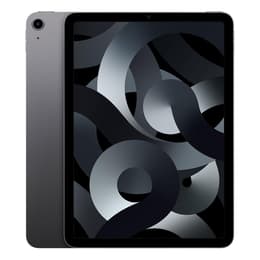
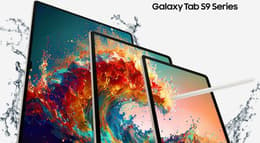
The Samsung Galaxy Tab S9, released in August 2023, and the Apple iPad Air (M1 Series), launched in March 2022, are both prominent tablets designed for a range of users. While the Galaxy Tab S9 operates on Android and comes with an included S Pen, the iPad Air runs on iPadOS and integrates deeply into Apple's ecosystem. These devices offer distinct experiences, primarily differing in their operating systems, display technology, and accessory ecosystems.
Colour
Storage
When considering the long-term usability of a tablet, software support and physical durability are key factors. Both devices offer robust build quality, but their respective ecosystems approach longevity differently.
Year of Release
Compatible with latest Update
OS
Performance is a critical aspect for tablets, influencing everything from app responsiveness to demanding creative tasks. Both the Galaxy Tab S9 and iPad Air are equipped with powerful internal components designed for smooth operation.
The visual experience on a tablet is largely defined by its display, and both the Galaxy Tab S9 and iPad Air offer high-quality screens, though with different underlying technologies.
Resolution
Screen type
Pixel density
While tablets are not typically primary photography devices, their camera systems are important for video calls, document scanning, and occasional photo capture. Both the Galaxy Tab S9 and iPad Air offer capable camera setups.
Beyond core specifications, several practical elements contribute to the overall user experience of these tablets, from connectivity to physical design.
Weight
Screen size (in)
Network
Carrier compatibility
The Samsung Galaxy Tab S9 and Apple iPad Air (M1 Series) each offer compelling features, catering to different user preferences and ecosystems. Users often praise the Galaxy Tab S9 for its vibrant AMOLED display, the inclusion of the S Pen, and its robust performance for gaming and productivity. Some common criticisms include its camera performance not matching flagship smartphones and a slight reduction in battery life compared to its predecessor due to the upgraded display.
The iPad Air (M1 Series) is frequently lauded for its powerful processing capabilities, which enable smooth performance across demanding applications, and its integration within the Apple ecosystem, including accessories like the Apple Pencil and Magic Keyboard. User feedback sometimes points to its 60Hz display refresh rate as a potential drawback compared to higher refresh rate competitors, and the base storage option of 64GB may be limiting for some users.
Users prioritizing a vibrant AMOLED display, expandable storage, and an included stylus for creative and productivity tasks within the Android ecosystem may find the Samsung Galaxy Tab S9 well-suited to their needs. Conversely, individuals who value a powerful and efficient processor for intensive tasks, seamless integration with other Apple devices, and a consistent software experience may lean towards the iPad Air. Both tablets represent quality choices, and considering a quality-assured refurbished option can be an eco-friendly alternative for either device.