Samsung Tab
Compare models
Differences at a glance
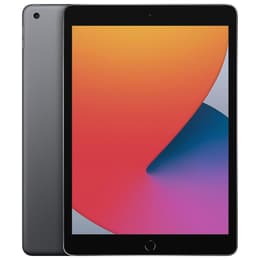
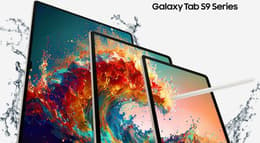
The Samsung Galaxy Tab S9, released in 2023, and the Apple iPad (8th Generation), launched in 2020, represent distinct approaches to the tablet experience. While both devices offer versatile platforms for productivity and entertainment, they differ significantly in their operating systems, display technology, and overall performance capabilities. The Galaxy Tab S9 operates on Android, offering a highly customizable interface, whereas the iPad runs on Apple's iPadOS, known for its intuitive design and robust app ecosystem. These core differences cater to varying user preferences and workflows.
Colour
Storage
When considering the long-term usability of a tablet, factors like release date, software support, and physical resilience are important. The Galaxy Tab S9, being a more recent release, generally offers a longer expected period of software updates compared to the iPad (8th Generation).
Year of Release
Compatible with latest Update
OS
The performance of a tablet is crucial for handling daily tasks, from browsing and streaming to more demanding applications and multitasking. Both devices offer capable processors, but their underlying architectures and available memory configurations lead to different user experiences.
The display is a primary interface for any tablet, and the quality of the screen significantly impacts the viewing and interactive experience. Both tablets offer clear and vibrant displays, but they utilize different technologies and refresh rates.
Resolution
Screen type
Pixel density
While tablets are not typically primary photography devices, their cameras are useful for video calls, document scanning, and casual photography. Both the Galaxy Tab S9 and iPad (8th Generation) include front and rear cameras with varying capabilities.
Beyond the core components, several practical features contribute to the overall user experience, including connectivity, physical ports, and biometric security.
Weight
Screen size (in)
Network
Carrier compatibility
The Samsung Galaxy Tab S9 and the iPad (8th Generation) cater to different user needs and preferences, largely influenced by their respective operating systems and hardware generations. Users often praise the Galaxy Tab S9 for its vibrant AMOLED display, high refresh rate, and the inclusion of the S Pen, making it a strong contender for creative professionals and those who appreciate a rich visual experience. Its expandable storage and robust multitasking capabilities are also frequently highlighted as advantages. Some users, however, might find the Android tablet app ecosystem less optimized for certain productivity tasks compared to iPadOS.
The iPad (8th Generation) is often lauded for its consistent performance, the extensive and well-optimized app library available on iPadOS, and its long-standing reputation for reliability. Its ease of use and integration within the Apple ecosystem are significant drawcards for many. Criticisms sometimes point to its older design, the standard 60Hz display, and the more limited base storage options without expansion. The Lightning port, while still functional, is also seen by some as a legacy connector compared to the more universal USB-C.
Users prioritizing a cutting-edge display, high performance for demanding tasks, and a more open, customizable Android experience with included stylus functionality may find the Galaxy Tab S9 well-suited to their needs. Conversely, users who value a streamlined, intuitive operating system, a vast selection of tablet-optimized applications, and a proven track record of software support may lean towards the iPad (8th Generation). Both devices are available as quality-assured refurbished options, providing an eco-friendly alternative for consumers.