
iPad 8 (2020, A12 series) Vs iPad 9 (2021, A13 series)

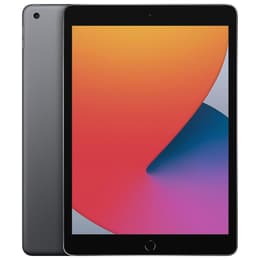
iPad 8 (2020, A12 series)
Starting at

Refurbished price:£90.00

Versus £329.00 new

See options
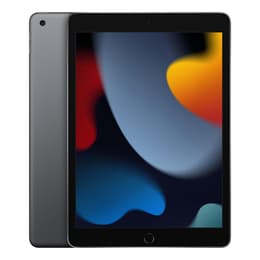
iPad 9 (2021, A13 series)
Starting at

Refurbished price:£157.00

Versus £679.00 new

See options

Ratings

The iPad 2020, also known as the 8th generation iPad, and the iPad 2021, or 9th generation iPad, represent consecutive iterations of Apple's entry-level tablet line. While they maintain a consistent design, the 9th generation model introduces notable enhancements in processing power, display technology, and front-facing camera capabilities. Both devices operate on Apple's iPadOS, offering a familiar and intuitive user experience.

Scores

Durability

When considering the longevity of these tablets, several factors come into play, including their release dates and expected software support.

  • Release Timeline: The iPad 8th generation was released in September 2020, while the iPad 9th generation followed in September 2021. This one-year difference means the 9th generation model will likely receive software updates for a longer period.
  • OS Support Duration: Both devices run iPadOS, and Apple typically provides several years of software updates. The iPad 9th generation, being a year newer, is expected to benefit from an additional year of major iPadOS updates, extending its practical lifespan for accessing the latest features and security patches.
  • Repairability: Both models share a similar internal design, suggesting comparable repairability. Their construction allows for component replacement, contributing to their overall serviceability.

Year of Release

2020

2021

Compatible with latest Update

Yes

Yes

OS

iPadOS

iPadOS

Maximum Operating System supported

iPadOS 18

iPadOS 18

Performance

The performance of these iPads is primarily driven by their internal processing units, impacting how smoothly applications run and how efficiently tasks are handled.

  • Processor Capabilities: The iPad 8th generation is equipped with a capable processor that handles everyday tasks, web browsing, and casual gaming with ease. The iPad 9th generation features a newer generation processor, offering a noticeable boost in overall speed and responsiveness. This translates to quicker app loading times, smoother multitasking, and improved performance in more demanding applications and games.
  • Multitasking and Responsiveness: Both models come with 3GB of RAM, which is sufficient for typical tablet usage, allowing users to switch between several apps without significant slowdowns. The newer processor in the 9th generation enhances this experience, making the system feel more fluid, especially when managing multiple active applications.
  • Battery Behavior: Both iPads are designed to deliver up to 10 hours of web surfing over Wi-Fi or video playback, and up to 9 hours when using a cellular data network. User experiences generally align with these estimates, indicating reliable all-day power for most users.
  • Storage Options: The iPad 8th generation was available with 32GB or 128GB of internal storage. The iPad 9th generation offers more generous base storage, starting at 64GB and also available in a 256GB configuration, providing more room for apps, photos, and documents.

Memory (GB)

3 GB

3 GB

Processor

Apple A12 Bionic

Apple A13 Bionic

Screen quality

Both iPad models feature a consistent display size and resolution, but the newer model introduces an enhancement for a more adaptive viewing experience.

  • Display Technology and Resolution: Both the iPad 8th and 9th generations feature a 10.2-inch LED-backlit Multi-Touch Retina display with IPS technology. They share the same 2160-by-1620-pixel resolution at 264 pixels per inch, providing clear and sharp visuals for reading, browsing, and media consumption. The brightness level is also identical at 500 nits, ensuring good visibility in various indoor lighting conditions.
  • True Tone Display: A key difference is the inclusion of True Tone technology in the iPad 9th generation. This feature automatically adjusts the screen's color temperature to match the ambient light in your environment, making the display appear more natural and reducing eye strain, particularly during extended use. The iPad 8th generation lacks this adaptive display capability.
  • Screen Size and Viewing: The 10.2-inch screen size on both models offers a comfortable viewing area for productivity tasks, entertainment, and educational content. While the display quality is generally well-regarded, some users note that the non-laminated display on both models can result in a slightly more reflective surface compared to higher-end tablets.

Resolution

2160 x 1620

2160 x 1620

True Tone

No

Yes

Pro-Motion

No

No

Screen type

Retina display

Retina display

Pixel density

264ppp

264ppp

Brightness

500 nits brightness

500 nits brightness

Sound quality

Speakers

Stereo speakers

Stereo speakers

Audiovisual

The camera systems on these two iPad generations show a significant upgrade in the front-facing camera, impacting video calls and selfies.

  • Rear Camera: Both the iPad 8th and 9th generations feature an 8-megapixel wide camera with an f/2.4 aperture on the rear. This camera is suitable for scanning documents, casual photography, and recording 1080p HD video at 30 frames per second. While functional for basic needs, it does not offer advanced features like optical zoom or enhanced low-light performance found in more premium devices.
  • Front Camera: This is where the most significant camera difference lies. The iPad 8th generation includes a 1.2-megapixel FaceTime HD camera, capable of 720p video recording. In contrast, the iPad 9th generation boasts a much-improved 12-megapixel Ultra Wide front camera with an f/2.4 aperture. This upgrade dramatically enhances video call quality and selfie clarity.
  • Center Stage: The iPad 9th generation's advanced front camera also supports Center Stage, a feature that uses machine learning to automatically pan and zoom during video calls to keep subjects centered in the frame, even as they move around. This provides a more engaging and dynamic video conferencing experience.
  • Audio Quality: Both models feature stereo speakers, which provide adequate sound for media consumption. They also retain a 3.5mm headphone jack, offering flexibility for audio output.

Miscellaneous

Beyond core performance and display, several practical elements differentiate these two iPad models, influencing daily usability and accessory compatibility.

  • Connectivity Options: Both iPads support Wi-Fi 5 (802.11ac) for wireless internet access and Bluetooth 4.2 for connecting accessories. Cellular models of both generations offer LTE connectivity for internet access on the go. Neither model supports the newer Wi-Fi 6 standard or 5G cellular connectivity.
  • Port Types: Both the iPad 8th and 9th generations utilize the Lightning port for charging and data transfer. They also retain the traditional 3.5mm headphone jack, which is convenient for wired audio accessories. A Smart Connector is present on both, allowing for direct connection to compatible accessories like the Smart Keyboard.
  • Biometric Security: Both models feature Touch ID, integrated into the physical Home button, for secure authentication and unlocking the device.
  • Physical Design: The overall dimensions and weight of the iPad 8th and 9th generations are nearly identical. The Wi-Fi only version of the 9th generation is marginally lighter. Both maintain the classic iPad design with noticeable bezels around the display and a physical Home button. The 8th generation was available in Silver, Space Gray, and Gold, while the 9th generation is offered in Silver and Space Gray.

Weight

490 g

498 g

Width

17.41 cm

17.41 cm

Height

25.06 cm

25.06 cm

Depth

0.75 cm

0.75 cm

Screen size (in)

10.2

10.2

Network

Wi-Fi

Wi-Fi + 4G

Carrier compatibility

Without SIM Port

Unlocked

Wi-Fi technology

Wi-Fi 6 802.11a/b/g/n/ac

Wi-Fi 6 802.11a/b/g/n/ac

Bluetooth Version

Bluetooth 4.2

Bluetooth 4.2

Face ID

No

No

Touch ID

Yes

Yes

Connector

Lightning connector

Lightning connector

User feedback for both the iPad 8th and 9th generations generally highlights their reliability and suitability for everyday tasks. The iPad 8th generation is often praised for its solid performance for its release year and its ability to handle common applications and media consumption effectively. However, some users noted its dated front camera and the non-laminated display as areas for improvement.

The iPad 9th generation receives frequent commendation for its enhanced front-facing camera with Center Stage, which significantly improves video call experiences. Users also appreciate the increased base storage and the performance boost from its newer processor, making it feel more responsive for a wider range of activities. While it retains the familiar design, including the physical Home button and bezels, many users find its overall package to be a strong offering for its category.

Users prioritizing a capable and dependable tablet for general use, web browsing, and media consumption will find either device suitable. Those who frequently engage in video calls, require more internal storage, or desire a slightly more future-proof device with a more adaptive display may find the iPad 9th generation better suited to their needs. The improved front camera and True Tone display are key differentiators for the newer model. For individuals seeking a sustainable choice, both models are readily available as quality-assured refurbished options, offering an eco-friendly alternative to purchasing new.

See all articles

Our recent comparisons