Galaxy Tab A9+ (11.0", 2023) Vs iPad 9 (2021, A13 series)

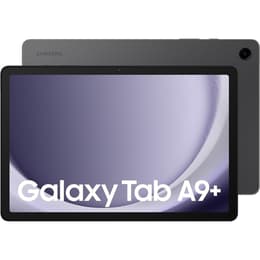
Galaxy Tab A9+ (11.0", 2023)
Starting at

Refurbished price:£144.00

Versus £309.90 new

See options
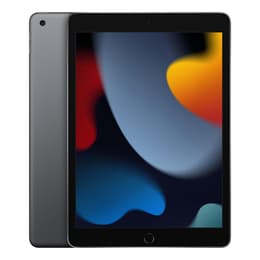
iPad 9 (2021, A13 series)
Starting at

Refurbished price:£157.00

Versus £679.00 new

See options

Ratings

The Samsung Galaxy Tab A9 Plus, released in October 2023, and the Apple iPad (9th Generation), launched in September 2021, are both designed to offer a versatile tablet experience. While the Galaxy Tab A9 Plus runs on Android with Samsung's One UI, the iPad operates on Apple's iPadOS, providing distinct software ecosystems. The primary differences between these two devices lie in their display technology, processing power, and camera capabilities, catering to varying user preferences and needs.

Scores

Durability

When considering the long-term usability of a tablet, software support and physical resilience are key factors. These two devices offer different timelines for updates and have distinct approaches to construction.

  • Software Longevity: The Galaxy Tab A9 Plus, released in late 2023, is expected to receive three years of Android OS updates and at least four years of security updates from Samsung. The iPad (9th Generation), from 2021, typically receives 5-6 years of major iPadOS updates, with security updates potentially extending for 7-10 years from its release. This suggests the iPad may offer a longer period of active software support.
  • Physical Durability: Both tablets feature aluminum bodies, contributing to a solid feel. However, the iPad's design, with its glued-down components and non-laminated display, has historically made repairs challenging. The Galaxy Tab A9 Plus has a moderate repairability score, with some components like the battery being accessible, though screen removal is a delicate process.
  • Expected Practical Lifespan: Users can anticipate several years of functional use from either device. The iPad's longer software update cycle might appeal to those who prioritize extended access to the latest operating system features, while the Galaxy Tab A9 Plus offers a more recent release date, potentially providing a slightly newer hardware foundation.

Year of Release

2023

2021

Compatible with latest Update

Yes

Yes

OS

Android

iPadOS

Performance

The performance of a tablet significantly impacts daily usage, from launching applications to handling demanding tasks. Both the Galaxy Tab A9 Plus and the iPad (9th Generation) deliver capable performance for their respective ecosystems.

  • Processing Capabilities: The Galaxy Tab A9 Plus handles daily productivity tasks, streaming media, and even moderately intensive games smoothly. Users generally find it responsive for everyday use. The iPad (9th Generation) is noted for being fast enough for most needs, including multitasking, gaming, and video playback without noticeable lag. Its processing power is considered a substantial improvement over older models.
  • Multitasking and Responsiveness: For the Galaxy Tab A9 Plus, opting for the 8GB RAM configuration is often recommended for a smoother experience when switching between multiple applications. The iPad (9th Generation), with its optimized iPadOS, manages multitasking effectively, allowing users to run several apps concurrently without significant slowdowns.
  • Storage and Battery Behavior: The Galaxy Tab A9 Plus offers storage options of 64GB or 128GB, expandable via a microSD card, providing flexibility for media and documents. Its 7040 mAh battery typically provides 7-8 hours of use, extending to 10-12 hours with moderate usage, though charging is slower. The iPad (9th Generation) comes with 64GB or 256GB storage options, without expansion. Its 8557 mAh battery is consistently reported to last a full day of normal use, often reaching Apple's claim of up to 10 hours.

Memory (GB)

4 GB

3 GB

Screen quality

The display is a central component of any tablet, influencing everything from media consumption to productivity. Both devices offer clear visuals, but with different underlying technologies and characteristics.

  • Display Technology and Clarity: The Galaxy Tab A9 Plus features an 11-inch LCD screen with a resolution of 1920 x 1200 pixels. This provides sharp visuals for general use and media. The iPad (9th Generation) has a 10.2-inch Retina IPS LCD display with a higher resolution of 2160 x 1620 pixels, resulting in a slightly higher pixel density.
  • Refresh Rate and Smoothness: A notable difference is the refresh rate; the Galaxy Tab A9 Plus offers a 90Hz refresh rate, which contributes to smoother scrolling and animations. The iPad (9th Generation) maintains a standard 60Hz refresh rate.
  • Brightness and Viewing Experience: The iPad (9th Generation) includes True Tone technology, which adjusts color temperature to ambient light, and offers a maximum brightness of 500 nits, making it suitable for indoor use. However, its non-laminated display can be prone to reflections outdoors. The Galaxy Tab A9 Plus's LCD display offers good color reproduction for its category, but specific brightness levels are not as prominently highlighted in user reviews for outdoor visibility.

Resolution

1200 x 1920

2160 x 1620

Screen type

TFT LCD

Retina display

Pixel density

210ppp

264ppp

Audiovisual

While tablets are not typically primary photography devices, their cameras are increasingly important for video calls, document scanning, and casual captures. Both the Galaxy Tab A9 Plus and the iPad (9th Generation) include camera systems designed for these practical applications.

  • Rear Camera Performance: Both tablets are equipped with an 8MP rear camera. For the Galaxy Tab A9 Plus, this camera is functional for scanning documents and casual photography in well-lit conditions, though it is not intended for high-quality photos. Similarly, the iPad's rear camera is suitable for quick snaps and document scanning, but users generally find their smartphone cameras offer superior quality.
  • Front Camera and Video Calling: The Galaxy Tab A9 Plus features a 5MP front camera, which provides clear image quality for video calls in good lighting. The iPad (9th Generation) stands out with a 12MP Ultra Wide front camera, which is a significant upgrade over its predecessor. This camera supports Center Stage, a feature that keeps the user in frame during video calls, enhancing the experience for virtual meetings and family chats.
  • Audio Experience: The Galaxy Tab A9 Plus includes four speakers with Dolby Atmos support, providing an immersive sound experience for media consumption. The iPad (9th Generation) has bottom-firing stereo speakers that are adequate for general use, though some users describe the sound quality as lacking bass. Both devices include a 3.5mm headphone jack.

Miscellaneous

Beyond core specifications, several practical elements contribute to the overall user experience of a tablet. These include connectivity, physical design, and additional features.

  • Connectivity and Ports: The Galaxy Tab A9 Plus supports Wi-Fi 5 and Bluetooth 5.1, with an optional 5G variant for mobile data. It features a USB-C port for charging and data transfer. The iPad (9th Generation) also supports Wi-Fi 5 but uses Bluetooth 4.2, and offers an optional LTE model. It retains the Lightning port for charging, distinguishing it from newer iPad models that have transitioned to USB-C.
  • Physical Design and Handling: The Galaxy Tab A9 Plus is slightly larger with an 11-inch screen and weighs around 480g for the Wi-Fi model. It has a thin profile at 6.9mm. The iPad (9th Generation) has a 10.2-inch screen and weighs approximately 487g for the Wi-Fi model, with a thickness of 7.5mm. Both are comfortable for extended use, though the iPad's design with larger bezels is considered dated by some users.
  • Security and Accessories: The iPad (9th Generation) includes Touch ID for secure authentication. It is compatible with the first-generation Apple Pencil and the Smart Keyboard. The Galaxy Tab A9 Plus does not feature a fingerprint sensor but offers facial recognition for unlocking. It supports Samsung's keyboard cover, sold separately, but lacks S Pen support.

Weight

1 g

498 g

Screen size (in)

11.0

10.2

Network

Wi-Fi + 4G

Wi-Fi + 4G

Carrier compatibility

Unlocked

Unlocked

Both the Samsung Galaxy Tab A9 Plus and the Apple iPad (9th Generation) offer compelling tablet experiences, each with distinct strengths that cater to different user priorities. User feedback for the Galaxy Tab A9 Plus often praises its large 90Hz display, good battery life, and expandable storage, making it a solid choice for media consumption and light productivity. Some common criticisms include its slower charging speed and the recommendation to opt for the 8GB RAM model for optimal performance.

The iPad (9th Generation) is frequently lauded for its robust performance, the quality of its front-facing camera with Center Stage, and the extensive app ecosystem available through iPadOS. Users appreciate its consistent battery life. However, its dated design with larger bezels, the non-laminated display, and the continued use of the Lightning port are often mentioned as drawbacks.

Users prioritizing a larger, smoother display for browsing and media, along with the flexibility of expandable storage and the Android ecosystem, may find the Galaxy Tab A9 Plus well-suited to their needs. It's a strong contender for those seeking a modern Android tablet for everyday tasks. Conversely, users who value a powerful and consistent software experience, a superior front camera for video calls, and access to Apple's vast app library may lean towards the iPad (9th Generation). It remains a reliable option for students and casual users who need a dependable device for a variety of tasks.

For those considering either of these devices, exploring quality-assured refurbished options can be an eco-friendly alternative to purchasing new, providing access to these capable tablets while extending their lifecycle.


See all articles

Our recent comparisons