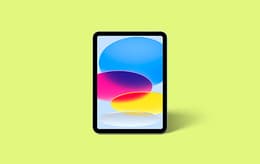

iPad 9 (2021, A13 series) Vs iPad 10 (2022, A14 series)

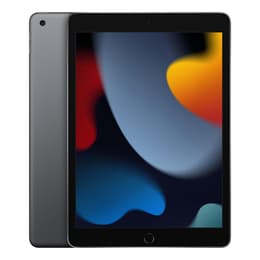
iPad 9 (2021, A13 series)
Starting at

Refurbished price:£157.00

Versus £679.00 new

See options
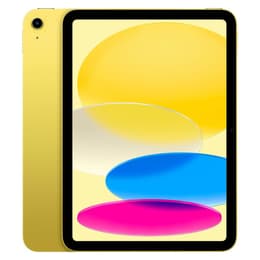
iPad 10 (2022, A14 series)
Starting at

Refurbished price:£223.00

Versus £349.00 new

See options

Ratings

The iPad 2021 (9th generation) and iPad 2022 (10th generation) are two consecutive iterations of Apple's entry-level tablet, offering distinct experiences for different user needs. While the 9th generation maintains a classic design, the 10th generation introduces a significant redesign and updated internal components. Both devices run on Apple's iPadOS, providing a consistent software ecosystem, but they cater to users with varying priorities regarding aesthetics, connectivity, and performance.

Scores

Durability

When considering the longevity of a tablet, factors like release date, software support, and physical design play a crucial role. The iPad 9th generation, released in September 2021, and the iPad 10th generation, launched in October 2022, offer different timelines for future-proofing.

  • Release Timeline: The iPad 9th generation was released in September 2021, while the iPad 10th generation followed in October 2022. This one-year difference means the 10th generation will likely receive major iPadOS updates for a longer period. Apple typically provides 5 to 7 years of major OS updates for its iPads.
  • Software Longevity: Both devices are currently supported by the latest iPadOS versions. However, the iPad 10th generation, being newer, is expected to receive software updates for approximately one year longer than its predecessor, extending its functional lifespan for users who prioritize the latest features and security patches.
  • Physical Durability: The iPad 9th generation features a more traditional design with a physical home button and larger bezels, which some users find offers a more secure grip. The iPad 10th generation adopts a more modern, all-screen design with flat edges. While both are constructed with aluminum, the 10th generation has shown some structural vulnerabilities in bend tests, particularly around the keyboard connector.

Year of Release

2021

2022

Compatible with latest Update

Yes

Yes

OS

iPadOS

iPadOS

Maximum Operating System supported

iPadOS 18

iPadOS 18

Performance

The core processing power and memory configuration significantly influence how smoothly a tablet handles daily tasks and demanding applications. Both iPads offer capable performance for general use, but the newer model provides a noticeable upgrade.

  • Processing Capabilities: The iPad 9th generation is powered by a capable chip that handles everyday tasks like web browsing, video streaming, and light gaming smoothly. The iPad 10th generation features a more advanced processor, offering improved speed and efficiency. This translates to quicker app loading times, smoother multitasking, and better performance in more graphically intensive applications or complex workflows.
  • Multitasking Responsiveness: The iPad 9th generation comes with 3GB of RAM, which is sufficient for many users but can lead to apps reloading when switching between multiple demanding applications. The iPad 10th generation includes 4GB of RAM, providing more headroom for multitasking and keeping more apps active in memory, resulting in a more fluid user experience.
  • Storage Options: Both models are available with 64GB and 256GB storage configurations. The 64GB base model is suitable for users who primarily stream content and use cloud storage, while the 256GB option provides ample space for downloaded media, numerous applications, and larger files.

Memory (GB)

3 GB

4 GB

Processor

Apple A13 Bionic

Apple A14 Bionic

Screen quality

The display is a primary interaction point for any tablet, and both iPad models offer high-quality viewing experiences, though with some key distinctions in size and technology.

  • Display Technology and Clarity: The iPad 9th generation features a 10.2-inch Retina IPS LCD display, while the iPad 10th generation upgrades to a 10.9-inch Liquid Retina IPS LCD display. Both maintain a pixel density of 264 pixels per inch (ppi), ensuring sharp text and clear images. The 'Liquid Retina' designation on the 10th generation also brings rounded display corners for a more modern aesthetic.
  • Brightness and Outdoor Use: Both iPads offer a maximum brightness of 500 nits, which is suitable for indoor use and generally adequate for outdoor viewing in shaded conditions. They also include True Tone technology, which automatically adjusts the display's color temperature to match ambient light, providing a more comfortable viewing experience.
  • Screen Size and Viewing Experience: The iPad 10th generation's larger 10.9-inch screen, combined with reduced bezels, offers a more expansive viewing area within a similar overall footprint compared to the 10.2-inch iPad 9th generation. This can enhance immersion for media consumption and provide more workspace for productivity tasks. However, neither model features a laminated display, which means there can be a slight gap between the glass and the LCD panel.

Resolution

2160 x 1620

2360 x 1640

True Tone

Yes

Yes

Pro-Motion

No

No

Screen type

Retina display

Liquid Retina display

Pixel density

264ppp

264ppp

Brightness

500 nits brightness

500 nits brightness

Sound quality

Speakers

Stereo speakers

Stereo speakers

Audiovisual

Camera capabilities on tablets are increasingly important for video calls, document scanning, and casual photography. Both iPad models offer competent camera systems, with the 10th generation providing notable enhancements.

  • Rear Camera System: The iPad 9th generation is equipped with an 8-megapixel wide rear camera capable of recording video in 1080p. The iPad 10th generation features an upgraded 12-megapixel wide rear camera, which supports 4K video recording, offering more detail and flexibility for capturing content.
  • Front Camera and Video Calls: Both models include a 12-megapixel Ultra Wide front camera with Center Stage, a feature that keeps subjects automatically framed during video calls. A significant difference is the placement: the iPad 9th generation's front camera is on the shorter edge, while the iPad 10th generation moves it to the longer, landscape edge. This landscape orientation is more natural for video conferencing when the tablet is used horizontally.
  • Audio for Media and Communication: The iPad 9th generation features stereo speakers. The iPad 10th generation also offers landscape stereo speakers, which can provide a more immersive audio experience, particularly for media consumption when holding the device horizontally. Both include microphones suitable for calls and voice recordings.

Miscellaneous

Beyond the core components, several practical features contribute to the overall user experience, from connectivity to physical design elements.

  • Connectivity and Wireless Standards: The iPad 9th generation supports Wi-Fi 5 and Bluetooth 4.2. The iPad 10th generation features newer wireless technologies, including Wi-Fi 6 for faster and more reliable internet connections, and Bluetooth 5.2 for improved accessory pairing and efficiency. Cellular models of the 10th generation also support 5G, offering faster mobile data speeds compared to the 4G on the 9th generation.
  • Ports and Accessories: The iPad 9th generation retains the Lightning port, which is compatible with a wide range of existing accessories. The iPad 10th generation transitions to a USB-C port, aligning with other modern Apple devices and offering greater versatility for connecting to external drives, displays, and chargers, though its data transfer speeds are limited to USB 2.0. Both support the first-generation Apple Pencil, but the 10th generation requires an adapter for charging and pairing due to its USB-C port.
  • Design and Authentication: The iPad 9th generation features the classic Home button with integrated Touch ID. The iPad 10th generation adopts a more contemporary design, removing the Home button and relocating Touch ID to the top power button, similar to other recent iPad models. The 10th generation is also slightly lighter and has more uniform bezels, contributing to a more modern feel.

Weight

498 g

477 g

Width

17.41 cm

17.95 cm

Height

25.06 cm

24.86 cm

Depth

0.75 cm

0.7 cm

Screen size (in)

10.2

10.9

Network

Wi-Fi + 4G

Wi-Fi

Carrier compatibility

Unlocked

Without SIM Port

Wi-Fi technology

Wi-Fi 6 802.11a/b/g/n/ac

Wi-Fi 6 802.11ax

Bluetooth Version

Bluetooth 4.2

Bluetooth 5.2

Face ID

No

No

Touch ID

Yes

Yes

Connector

Lightning connector

USB Type-C

User feedback for both the iPad 9th and 10th generations highlights their respective strengths and weaknesses. Many users praise the iPad 9th generation for its robust performance for everyday tasks and its familiar design, often noting that it provides sufficient power for general use like web browsing, streaming, and light productivity. Some users appreciate the physical Home button for its tactile feedback and consistent placement. Criticisms sometimes point to its aging design and the potential for lag during heavy multitasking due to its 3GB of RAM.

The iPad 10th generation is frequently lauded for its modern, all-screen design, larger display, and the convenience of USB-C connectivity. The landscape-oriented front camera is a significant improvement for video calls, a feature highly valued by users. However, some users express frustration with the need for an adapter to charge the first-generation Apple Pencil, and the unlaminated display is occasionally mentioned as a minor drawback.

Users prioritizing a classic, familiar design and solid performance for essential tasks may find the iPad 9th generation well-suited to their needs. It remains a capable device for media consumption, casual gaming, and basic productivity. Conversely, users who value a modern aesthetic, a larger display for immersive viewing, improved camera features for video conferencing, and the versatility of USB-C connectivity will likely prefer the iPad 10th generation. Its enhanced processing power and additional RAM also make it a better fit for those who frequently engage in more demanding applications or extensive multitasking.

For those considering either model, exploring quality-assured refurbished options can provide an eco-friendly alternative, offering access to these devices while extending their lifecycle.

See all articles

Our recent comparisons