
iPad 9 (2021, A13 series) Vs iPad Pro (2018, A12 series)

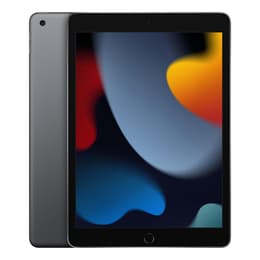
iPad 9 (2021, A13 series)
Starting at

Refurbished price:£157.00

Versus £679.00 new

See options
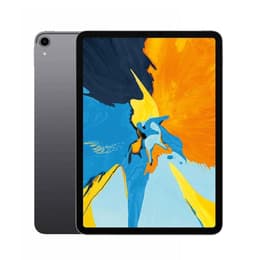
iPad Pro (2018, A12 series)
Starting at

Refurbished price:£225.99

Versus £769.00 new

See options

Ratings

The iPad 2021, also known as the 9th generation iPad, was released in September 2021, offering a balance of performance and accessibility. The iPad Pro 2018, available in 11-inch and 12.9-inch models, launched in November 2018, positioned as a more advanced tablet for demanding tasks. While both devices operate on Apple's iPadOS, the iPad Pro 2018 introduced a more modern design and professional-grade features, whereas the iPad 2021 maintained a classic design with updated internal components.

Scores

Durability

When considering the longevity of these tablets, several factors come into play, including their release timelines and anticipated software support.

  • Release Timeline: The iPad 2021 was released three years after the iPad Pro 2018, giving it an inherent advantage in terms of its lifecycle.
  • Software Support: The iPad 2021 is expected to receive major iPadOS updates for a longer period, potentially until late 2027 for major updates and security patches extending to 2028 or 2029. The iPad Pro 2018, being an older device, will likely see its software support conclude sooner, though it has already demonstrated a robust update history.
  • Practical Lifespan: Both devices are built with durable aluminum bodies. While the iPad Pro 2018 was designed with higher-end components, the newer processing unit in the iPad 2021 provides a more recent starting point for future software demands. Users often report iPads lasting around four years or more with good care.

Year of Release

2021

2018

Compatible with latest Update

Yes

Yes

OS

iPadOS

iPadOS

Maximum Operating System supported

iPadOS 18

iPadOS 18

Performance

Performance is a key differentiator, with both tablets offering capable processing power for various tasks, though with different strengths.

  • Processing Capabilities: The iPad 2021 features a capable A13 Bionic chip, which provides a significant performance boost over its predecessor, handling everyday apps, multitasking, and many games smoothly. The iPad Pro 2018 is powered by an A12X Bionic chip, which, despite being older, was a highly powerful chip at its release, designed for demanding professional workflows and graphics-intensive applications.
  • Multitasking and Responsiveness: The iPad Pro 2018 typically comes with 4GB of RAM, with 1TB storage models featuring 6GB, allowing for more intensive multitasking and handling of larger files. The iPad 2021 includes 3GB of RAM, which is sufficient for general use but may show limitations with numerous demanding applications open simultaneously.
  • Storage Options: The iPad 2021 is available with 64GB or 256GB of internal storage. The iPad Pro 2018 offered a wider range of storage configurations, from 64GB up to 1TB, catering to users with extensive storage needs.

Memory (GB)

3 GB

4 GB

Processor

Apple A13 Bionic

Apple A12X Bionic

Screen quality

The visual experience on these tablets varies, primarily due to differences in display technology and features.

  • Display Technology and Size: The iPad 2021 features a 10.2-inch Retina IPS LCD display with a resolution of 2160 x 1620 pixels. The iPad Pro 2018 offers a Liquid Retina IPS LCD display, available in 11-inch (2388 x 1668 pixels) and 12.9-inch (2732 x 2048 pixels) sizes, providing more screen real estate and a more modern edge-to-edge design.
  • Brightness and Color: Both displays feature True Tone technology for automatic white balance adjustment. The iPad 2021 has a typical brightness of 500 nits. The iPad Pro 2018 offers a higher typical brightness of 600 nits, which can be beneficial for outdoor use or in brightly lit environments.
  • Refresh Rate: A significant difference is the refresh rate. The iPad Pro 2018 includes ProMotion technology, offering an adaptive refresh rate up to 120Hz for smoother scrolling and more responsive interactions. The iPad 2021 has a standard 60Hz refresh rate.

Resolution

2160 x 1620

2388 x 1668

True Tone

Yes

Yes

Pro-Motion

No

Yes

Screen type

Retina display

Liquid Retina display

Pixel density

264ppp

264ppp

Brightness

500 nits brightness

600 nits brightness

Sound quality

Speakers

Stereo speakers

Four speaker audio

Audiovisual

Both tablets are equipped with capable camera systems for their respective uses, with some notable distinctions in features.

  • Rear Camera: The iPad 2021 features an 8MP wide rear camera. The iPad Pro 2018 has a 12MP wide rear camera, capable of capturing detailed photos and 4K video recording.
  • Front Camera and Video Calls: The iPad 2021 excels in video conferencing with its 12MP ultra-wide front camera featuring Center Stage, which automatically keeps subjects in the frame during video calls. The iPad Pro 2018 includes a 7MP TrueDepth front camera, which enables Face ID for secure authentication.
  • Audio Experience: The iPad Pro 2018 features a four-speaker audio system, delivering a more immersive and balanced sound experience, particularly for media consumption. The iPad 2021 has stereo speakers.

Miscellaneous

Beyond core specifications, several practical elements differentiate these two iPad models, impacting their usability and accessory compatibility.

  • Connectivity and Ports: The iPad 2021 retains the Lightning port and supports Bluetooth 4.2 and Wi-Fi 5 (802.11ac). The iPad Pro 2018 was a pioneer in adopting the more versatile USB-C port, allowing for broader accessory compatibility and faster data transfer, alongside Bluetooth 5.0 and Wi-Fi 5.
  • Authentication: The iPad 2021 uses Touch ID, integrated into the home button, for secure unlocking and purchases. The iPad Pro 2018 features Face ID, Apple's facial recognition technology, for secure authentication.
  • Stylus Support: The iPad 2021 is compatible with the 1st generation Apple Pencil, which charges via the Lightning port. The iPad Pro 2018 supports the 2nd generation Apple Pencil, which magnetically attaches to the side of the tablet for charging and pairing.

Weight

498 g

468 g

Width

17.41 cm

17.85 cm

Height

25.06 cm

24.76 cm

Depth

0.75 cm

0.59 cm

Screen size (in)

10.2

11

Network

Wi-Fi + 4G

Wi-Fi

Carrier compatibility

Unlocked

Without SIM Port

Wi-Fi technology

Wi-Fi 6 802.11a/b/g/n/ac

Wi-Fi 6 802.11a/b/g/n/ac

Bluetooth Version

Bluetooth 4.2

Bluetooth 5.0

Face ID

No

Yes

Touch ID

Yes

No

Connector

Lightning connector

USB Type-C

User feedback often highlights the iPad 2021 as a reliable and capable tablet for general use, praised for its updated processor and the inclusion of Center Stage, making it well-suited for students and casual users who prioritize video calls and everyday tasks. Its classic design, while familiar, is sometimes noted as less modern compared to other iPads.

The iPad Pro 2018, despite its age, continues to be lauded by users for its robust performance, especially for creative and professional applications. Many users appreciate its ProMotion display, USB-C connectivity, and compatibility with the 2nd generation Apple Pencil, which are features that enhance productivity and artistic workflows. Criticisms sometimes revolve around its shorter remaining software update window compared to newer models and the potential for battery degradation over time, as noted by some long-term users.

Users prioritizing a newer device with longer software support and enhanced video calling capabilities for general productivity and entertainment may find the iPad 2021 a suitable choice. Conversely, individuals engaged in creative work, requiring a high refresh rate display, versatile USB-C connectivity, and a more powerful platform for demanding applications, might lean towards the iPad Pro 2018. Both models offer a quality experience, and considering a quality-assured refurbished option can be a sustainable choice for either device.

See all articles

Our recent comparisons