
Galaxy Tab A9 (8.7", 2023) Vs iPad 9 (2021, A13 series)

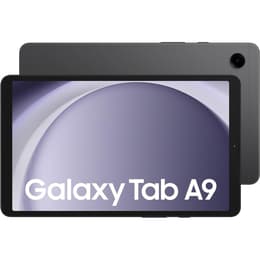
Galaxy Tab A9 (8.7", 2023)
Starting at

Refurbished price:£87.00

Versus £219.00 new

See options
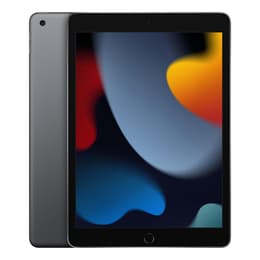
iPad 9 (2021, A13 series)
Starting at

Refurbished price:£157.00

Versus £679.00 new

See options

Ratings

The Samsung Galaxy Tab A9, released in October 2023, and the Apple iPad (9th generation), launched in September 2021, are both tablets designed for everyday use. While the Galaxy Tab A9 operates on Android, offering a more compact form factor, the iPad runs on Apple's iPadOS and provides a larger display. These differences in operating system, screen size, and underlying performance contribute to distinct user experiences.

Scores

Durability

When considering the long-term usability of these tablets, their release dates and software support policies are key factors.

  • Release Timeline: The Galaxy Tab A9 was introduced in October 2023, making it a more recent device compared to the iPad (9th generation), which debuted in September 2021. The iPad (9th generation) was discontinued in May 2024.
  • Software Longevity: The Galaxy Tab A9 is expected to receive three major Android operating system updates and four years of security patches, extending its support until approximately 2027. The iPad (9th generation), on the other hand, typically benefits from a longer software support period, often receiving five to six major iPadOS updates, with support extending to iPadOS 26.x.
  • Repairability: The Galaxy Tab A9 has a moderate repairability score of 4.0 out of 10, with its battery being relatively accessible, though screen removal can be a delicate process. The iPad (9th generation)'s display, which is not fully laminated, may offer some advantages in terms of repairability compared to fully laminated screens.

Year of Release

2023

2021

Compatible with latest Update

Yes

Yes

OS

Android

iPadOS

Performance

The performance of a tablet impacts its responsiveness and ability to handle various applications.

  • Storage Options: The Galaxy Tab A9 offers storage configurations of 64GB or 128GB, with the flexibility to expand storage up to 1TB using a microSD card. The iPad (9th generation) comes with either 64GB or 256GB of internal storage, but it does not support expandable storage.
  • Battery Performance: The Galaxy Tab A9 is equipped with a 5100 mAh battery, and users generally report around 7 to 8 hours of usage on a single charge. The iPad (9th generation) features an 8557 mAh battery, designed for all-day use, though some users in 2026 have noted that it may not last a full day with heavy usage.
  • System Responsiveness: The Galaxy Tab A9, powered by its processor, handles everyday tasks and light gaming smoothly, providing a capable experience for its category. The iPad (9th generation), with its integrated chip, offers robust performance for demanding applications, multitasking, and moderate gaming, contributing to a generally responsive user experience.

Memory (GB)

4 GB

3 GB

Screen quality

The display quality significantly influences the viewing experience for media consumption and productivity.

  • Display Technology: The Galaxy Tab A9 features an LCD panel. The iPad (9th generation) utilizes a Retina IPS LCD, known for its color accuracy and viewing angles.
  • Resolution and Clarity: The Galaxy Tab A9 has an 8.7-inch display with a resolution of 1340 x 800 pixels, resulting in a pixel density of 179 pixels per inch (ppi). Text and images may appear less sharp compared to higher-resolution screens. The iPad (9th generation) offers a 10.2-inch display with a resolution of 2160 x 1620 pixels, providing a clearer visual experience with 264 ppi.
  • Brightness and Refresh Rate: The Galaxy Tab A9 can reach a peak brightness of approximately 486 cd/m². The iPad (9th generation) provides 500 nits of brightness, which contributes to better visibility in various lighting conditions. Both tablets feature a standard 60Hz refresh rate.

Resolution

800 x 1340

2160 x 1620

Screen type

TFT LCD

Retina display

Pixel density

180ppp

264ppp

Audiovisual

Camera and audio capabilities are important for video calls, content creation, and media enjoyment.

  • Camera System: The Galaxy Tab A9 includes an 8MP rear camera and a 2MP front camera, which are suitable for basic photography, document scanning, and video calls in well-lit environments. The iPad (9th generation) features an 8MP rear camera and a 12MP Ultra Wide front camera that supports Center Stage, a feature that keeps the user in frame during video calls.
  • Photography and Video: Photos taken with the Galaxy Tab A9's rear camera may exhibit less vibrancy and lower contrast. The iPad (9th generation)'s rear camera is considered average, while its front camera performs well for selfies and video calls. Both devices are capable of 1080p HD video recording, with the iPad offering cinematic video stabilization.
  • Audio Experience: The Galaxy Tab A9 is equipped with dual stereo speakers and supports Dolby Atmos, aiming to provide an immersive audio experience. The iPad (9th generation) also has stereo speakers, though they are both located on the bottom edge, which can affect stereo separation when the tablet is held in landscape orientation.

Miscellaneous

Beyond core features, several practical elements contribute to the overall usability of these tablets.

  • Connectivity and Ports: The Galaxy Tab A9 supports Wi-Fi 5 and Bluetooth 5.3, with an optional LTE version available. It includes a USB-C port and a 3.5mm headphone jack. The iPad (9th generation) also features Wi-Fi 5 and offers Bluetooth 4.2, with an optional LTE model. It uses a Lightning port for charging and data transfer, and retains a 3.5mm headphone jack.
  • Biometrics and Design: The Galaxy Tab A9 offers face unlock for security, though it uses a 2D method. It has a metal back and plastic frame, contributing to a compact and sturdy feel, weighing 332g for the Wi-Fi model. The iPad (9th generation) uses Touch ID, a fingerprint sensor integrated into the home button, for secure access. It features an aluminum unibody design and weighs 487g for the Wi-Fi model.
  • Accessory Support: The Galaxy Tab A9 does not support a stylus like the S Pen. The iPad (9th generation) is compatible with the first-generation Apple Pencil, expanding its utility for note-taking and creative tasks.

Weight

332 g

498 g

Width

21,1 cm

17.41 cm

Height

12,47 cm

25.06 cm

Depth

0,8 cm

0.75 cm

Screen size (in)

8.7

10.2

Network

Wi-Fi + 4G

Wi-Fi + 4G

Carrier compatibility

Unlocked

Unlocked

User feedback for the Galaxy Tab A9 often highlights its compact size and capable performance for its category, making it a suitable device for media consumption and everyday tasks. Common criticisms include its lower screen resolution and basic camera performance. Some users have also reported muffled audio during calls.

The iPad (9th generation) is frequently praised for its strong overall performance, vibrant display, and the utility of its Center Stage front camera for video conferencing. Its longer software support is also a significant advantage. However, some users note its older design, including larger bezels and the continued use of the Lightning port, as well as the speaker placement which can impact stereo separation in landscape mode. Concerns about battery life for heavy users in 2026 have also been mentioned.

Users prioritizing a more compact Android tablet with expandable storage and a modern USB-C port may find the Galaxy Tab A9 well-suited to their needs. Conversely, those who value a larger, higher-resolution display, a more powerful processor for demanding applications, and a longer software support window, along with Apple Pencil compatibility, might lean towards the iPad (9th generation). Both devices are available as quality-assured refurbished options, providing an eco-friendly alternative for consumers.

See all articles

Our recent comparisons