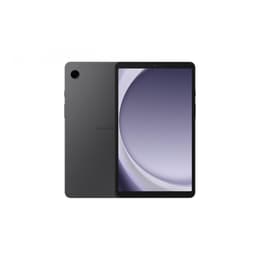
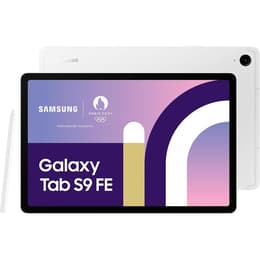

Galaxy Tab A9 (8.7", 2023) Vs Galaxy Tab S9 FE+ (12.4", 2023)

Galaxy Tab A9 (8.7", 2023)
Starting at

Refurbished price:£87.00

Versus £219.00 new

See options
Galaxy Tab S9 FE+ (12.4", 2023)
Starting at

Refurbished price:£337.00

Versus £799.00 new

See options

Ratings

The Samsung Galaxy Tab A9 (released in October 2023) and the Samsung Galaxy Tab S9 FE+ (also released in October 2023) are both Android tablets from the same generation, yet they cater to different user needs primarily due to their distinct sizes and feature sets. The Tab A9 offers a compact and portable experience, while the Tab S9 FE+ provides a larger display and enhanced capabilities for productivity and creative tasks. Both devices run on the Android operating system, offering a familiar user experience within the Samsung ecosystem.

Scores

Durability

When considering the long-term usability of these tablets, several factors contribute to their expected lifespan, including software support and physical resilience.

  • Software Longevity: The Galaxy Tab A9 is expected to receive two major Android operating system updates, extending its software support up to Android 15, along with four years of security updates. In contrast, the Galaxy Tab S9 FE+ benefits from a more extended commitment, with four major OS updates planned, reaching up to Android 17, and five years of security patches.
  • Physical Durability: The Galaxy Tab A9 features an aluminum back and a plastic frame, offering a solid build for its category. The Galaxy Tab S9 FE+ boasts a more robust aluminum body and includes an IP68 rating for water and dust resistance, providing enhanced protection against environmental elements.
  • Repairability: The Galaxy Tab A9 has a repairability score of 4.0 out of 10, indicating moderate ease of repair, with some components like the battery being accessible but requiring careful disassembly of the screen. Information regarding the specific repairability score for the Galaxy Tab S9 FE+ is less readily available, though its premium build might suggest a more complex repair process.

Year of Release

2023

2023

Compatible with latest Update

Yes

Yes

OS

Android

Android

Performance

The performance of a tablet is crucial for daily tasks, from browsing to more demanding applications. Both tablets offer varying levels of responsiveness and capability.

  • Processing Power: The Galaxy Tab A9 handles everyday applications and general multitasking smoothly. Users will find it responsive for web browsing, video streaming, and light productivity tasks. However, it may exhibit slower performance or occasional stutters when running graphically intensive games or numerous demanding applications simultaneously. The Galaxy Tab S9 FE+ provides a more capable experience, adept at managing multiple applications, moderate gaming, and more intensive tasks like photo editing, though some users have noted slight delays with very demanding operations.
  • Memory and Storage: The Galaxy Tab A9 is available with 4GB or 8GB of RAM and 64GB or 128GB of internal storage, which can be expanded up to 1TB via a microSD card. The Galaxy Tab S9 FE+ offers higher configurations with 8GB or 12GB of RAM and 128GB or 256GB of internal storage, also expandable up to 1TB with a microSD card, providing more headroom for multitasking and storing larger files.
  • Battery Endurance: The Galaxy Tab A9, with its 5100 mAh battery, typically offers around 6 to 7 hours of screen-on time during continuous video streaming or mixed usage. The Galaxy Tab S9 FE+, equipped with a larger 10090 mAh battery, delivers significantly longer usage, often lasting up to 18 hours of web surfing or several days with casual use, making it suitable for extended periods away from a power source.

Memory (GB)

4 GB

8 GB

Processor

Mediatek Helio G99

Exynos 1380

Screen quality

The display is a primary interaction point for any tablet, influencing everything from media consumption to productivity.

  • Display Technology and Resolution: The Galaxy Tab A9 features an 8.7-inch LCD (TFT) display with a resolution of 1340 x 800 pixels. This resolution is suitable for basic viewing, but some users may notice text appearing less sharp or colors being less vibrant compared to higher-resolution screens. The Galaxy Tab S9 FE+ boasts a larger 12.4-inch LCD (IPS) display with a significantly higher resolution of 2560 x 1600 pixels, providing a clearer and more detailed visual experience.
  • Refresh Rate and Brightness: The Tab A9 has a standard 60Hz refresh rate, which is adequate for most content but may not offer the same fluidity as higher refresh rate displays. Its brightness measures around 459 nits, making it comfortable for indoor use but potentially challenging to view clearly in bright outdoor conditions. The Tab S9 FE+ features a smoother 90Hz refresh rate, enhancing the visual experience during scrolling and gaming. It also offers a higher peak brightness of approximately 600 nits, improving outdoor visibility, though direct sunlight can still pose a challenge.
  • Viewing Experience: The smaller screen of the Tab A9 is ideal for portability and single-hand use, making it a good companion for reading or quick media consumption on the go. The larger display of the Tab S9 FE+ provides an expansive canvas, better suited for multitasking, detailed work, and immersive media viewing.

Resolution

800 x 1340

1600 x 2560

Screen type

TFT LCD

IPS LCD

Pixel density

180ppp

250ppp

Audiovisual

While tablets are not typically primary photography devices, their cameras serve practical purposes for video calls, document scanning, and casual captures.

  • Rear Camera System: The Galaxy Tab A9 is equipped with a single 8MP autofocus rear camera. This camera is functional for scanning documents and capturing basic photos in well-lit environments, but its overall image quality is modest, particularly in challenging lighting conditions. The Galaxy Tab S9 FE+ features a dual-camera setup on the rear, including an 8MP main lens and an 8MP ultrawide lens. These cameras offer more versatility and are generally considered decent for a tablet, capable of producing acceptable images and videos for general use.
  • Front Camera and Video: For video calls and selfies, the Tab A9 has a 2MP front-facing camera. It is sufficient for basic video conferencing, though the image quality tends to be soft. The Tab S9 FE+ significantly upgrades the front camera to a 12MP ultrawide lens, which is capable of capturing more detailed images and recording 4K video, making it well-suited for high-quality video calls and online meetings.
  • Audio Experience: The Tab A9 includes stereo speakers, providing a basic audio experience for media consumption. The Tab S9 FE+ enhances the audio with dual speakers tuned by AKG, offering a richer and more immersive sound profile for movies and music.

Miscellaneous

Beyond core specifications, several practical features contribute to the overall user experience and versatility of these tablets.

  • Connectivity Options: Both tablets support modern wireless standards. The Galaxy Tab A9 includes Wi-Fi 5 and Bluetooth 5.3, with an optional LTE variant for mobile data connectivity. The Galaxy Tab S9 FE+ offers Wi-Fi 6 and Bluetooth 5.3, along with an optional 5G model, providing faster and more reliable wireless connections.
  • Ports and Sensors: Both devices feature a USB-C 2.0 port for charging and data transfer. The Tab A9 also retains a 3.5mm headphone jack. For security, the Tab A9 relies on face recognition, while the Tab S9 FE+ incorporates a fingerprint reader integrated into the power button, offering a more secure and convenient biometric authentication method.
  • Design and Accessories: The Galaxy Tab A9 is a compact device, weighing 332-333g and measuring 211 x 124.7 x 8.0 mm, making it easy to handle and highly portable. The Galaxy Tab S9 FE+ is a larger tablet, weighing 627-628g and measuring 285.4 x 185.4 x 6.5 mm. A significant advantage of the Tab S9 FE+ is the inclusion of the S Pen stylus, which enhances its utility for note-taking, drawing, and precise navigation.

Weight

332 g

627 g

Screen size (in)

8.7

12.4

Network

Wi-Fi + 4G

Wi-Fi

Carrier compatibility

Unlocked

Unlocked

Connector

USB Type-C

USB Type-C

The Samsung Galaxy Tab A9 and Galaxy Tab S9 FE+ offer distinct tablet experiences, each with its own set of strengths and considerations, as reflected in user feedback. The Galaxy Tab A9 is frequently praised for its highly portable and compact design, making it an ideal choice for users who prioritize ease of carrying and single-hand use. Users also appreciate its solid build quality for its category and its capability to handle everyday tasks efficiently. However, common criticisms often point to its lower screen resolution, which can result in less sharp text and visuals, as well as its basic camera performance and moderate battery life that may require more frequent charging for heavy users.

Conversely, the Galaxy Tab S9 FE+ receives positive remarks for its expansive and vibrant display, which provides an immersive viewing experience for media and ample space for multitasking. Its long-lasting battery is a significant advantage for users needing extended usage between charges, and the inclusion of the S Pen is highly valued for productivity and creative endeavors. The tablet's robust build, including its IP68 water and dust resistance, also contributes to its appeal. Some users, however, have noted occasional performance stutters when running particularly demanding applications, suggesting that while capable, it may not always match the fluidity of higher-end devices.

Users prioritizing a highly portable device for casual browsing, media consumption, and light tasks will find the Galaxy Tab A9 well-suited to their needs. Its smaller form factor is convenient for travel and quick access. For those who require a larger screen for productivity, creative work, or immersive entertainment, and who value features like a bundled stylus and enhanced durability, the Galaxy Tab S9 FE+ presents a compelling option. When making a decision, considering quality-assured refurbished options for either model can be an eco-friendly alternative, providing access to these devices while supporting sustainable choices.


See all articles

Our recent comparisons