
Galaxy Tab S9 FE+ (12.4", 2023) Vs iPad 8 (2020, A12 series)

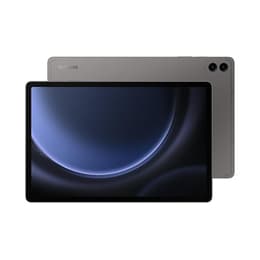
Galaxy Tab S9 FE+ (12.4", 2023)
Starting at

Refurbished price:£338.00

Versus £502.51 new

See options
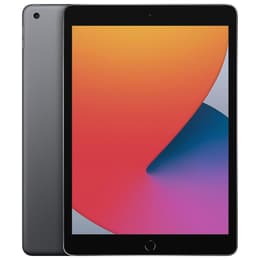
iPad 8 (2020, A12 series)
Starting at

Refurbished price:£90.00

Versus £329.00 new

See options

Ratings

The Samsung Galaxy Tab S9 FE+ (2023) and the Apple iPad 8th Generation (2020) are two distinct tablets designed to cater to different user needs and preferences. While the Galaxy Tab S9 FE+ offers a larger display and more recent hardware, the iPad 8th Generation provides a streamlined experience within the Apple ecosystem. These devices differ significantly in their operating systems, display technology, and overall feature sets.

Scores

Durability

When considering the long-term usability of these tablets, their release timelines and software support are key factors.

  • Release and Software Support: The Galaxy Tab S9 FE+ was released in October 2023, making it a more recent device. It launched with Android 13 and is expected to receive four major Android OS updates and five years of security updates from Samsung, potentially extending its software longevity well into the future. The iPad 8th Generation, released in September 2020, initially ran iPadOS 14 and has received updates up to iPadOS 17.2. Apple typically provides 5-6 years of major OS updates for its iPads, meaning the iPad 8th Generation is closer to the end of its major software update cycle compared to the newer Samsung tablet.
  • Physical Durability: The Galaxy Tab S9 FE+ boasts an IP68 rating for dust and water resistance, offering a notable advantage in terms of protection against environmental elements. The iPad 8th Generation does not carry an official IP rating. Both devices feature aluminum backs, contributing to their overall build quality.
  • Expected Lifespan: Users prioritizing extended software support and enhanced physical durability for varied environments may find the Galaxy Tab S9 FE+ a more suitable option for a longer practical lifespan. The iPad 8th Generation, while still functional, will see its software support diminish sooner.

Year of Release

2023

2020

Compatible with latest Update

Yes

Yes

OS

Android

iPadOS

Performance

The performance of a tablet is crucial for daily tasks, from browsing to more demanding applications. Both tablets offer capable performance for their respective ecosystems.

  • Processor Capabilities: The Galaxy Tab S9 FE+ is equipped with an octa-core processor, designed to handle multitasking, streaming, and gaming smoothly. However, some users have noted occasional sluggishness when running multiple demanding applications or performing intensive tasks like photo editing. The iPad 8th Generation features the A12 Bionic chip with a Neural Engine, which provides a responsive experience for everyday use, gaming, and multitasking within iPadOS.
  • Storage and Multitasking: The Galaxy Tab S9 FE+ offers configurations with 8GB or 12GB of RAM and 128GB or 256GB of internal storage, which can be expanded further via a microSD card up to 1TB. This expandability provides flexibility for users with large media libraries or extensive document needs. The iPad 8th Generation comes with 3GB of RAM and storage options of 32GB or 128GB, without the possibility of expansion. For users who frequently manage large files or require significant local storage, the Galaxy Tab S9 FE+'s expandable storage is a distinct advantage.
  • System Responsiveness: For general web browsing, video consumption, and light productivity, both tablets offer a fluid experience. The iPad 8th Generation is often praised for its consistent responsiveness across applications, a hallmark of its integrated hardware and software. The Galaxy Tab S9 FE+ provides a capable Android experience, though its performance can vary more with heavy loads.

Memory (GB)

8 GB

3 GB

Screen quality

The visual experience is a primary consideration for tablets, and these two devices present different display characteristics.

  • Display Technology and Size: The Galaxy Tab S9 FE+ features a larger 12.4-inch TFT LCD display with a resolution of 2560 x 1600 pixels. This provides a more expansive canvas for content consumption and productivity. The iPad 8th Generation has a 10.2-inch Retina IPS LCD display with a resolution of 2160 x 1620 pixels, offering sharp visuals at 264 pixels per inch.
  • Brightness and Refresh Rate: The Galaxy Tab S9 FE+ offers a 90Hz refresh rate, contributing to smoother scrolling and more fluid animations compared to the iPad 8th Generation's standard 60Hz refresh rate. The Samsung tablet also includes 'Vision Booster' technology, enhancing screen visibility in brightly lit outdoor environments with a peak brightness of 720 nits in High Brightness Mode. The iPad 8th Generation provides a brightness of 500 nits, which is suitable for indoor use but may be less optimal in direct sunlight.
  • Viewing Experience: Users prioritizing a larger screen and a smoother visual experience, especially for dynamic content or outdoor use, may lean towards the Galaxy Tab S9 FE+. The iPad 8th Generation offers a clear and vibrant display well-suited for general media consumption and reading.

Resolution

1600 x 2560

2160 x 1620

Screen type

IPS LCD

Retina display

Pixel density

250ppp

264ppp

Audiovisual

Camera capabilities on tablets are often secondary to smartphones, but they remain important for video calls, document scanning, and casual photography.

  • Rear Camera System: The Galaxy Tab S9 FE+ features a dual rear camera setup, including an 8MP main sensor and an 8MP ultrawide sensor, offering more versatility for capturing different perspectives. It is capable of recording video in UHD 4K at 30 frames per second. The iPad 8th Generation is equipped with a single 8MP rear camera, suitable for basic photography and document capture. It records video in 1080p HD at 30 frames per second.
  • Front Camera for Communication: For video conferencing and selfies, the Galaxy Tab S9 FE+ includes a 12MP front-facing camera. The iPad 8th Generation has a 1.2MP FaceTime HD front camera, which is adequate for video calls but offers lower resolution for photos and video recording (720p HD).
  • Audio Experience: Both tablets feature stereo speakers and dual microphones for calls and recording. The Galaxy Tab S9 FE+ does not include a 3.5mm headphone jack, while the iPad 8th Generation retains this port.

Miscellaneous

Beyond core specifications, several practical features contribute to the overall user experience of these tablets.

  • Connectivity and Ports: The Galaxy Tab S9 FE+ supports Wi-Fi 6 and Bluetooth 5.3, offering modern wireless connectivity. It utilizes a USB Type-C 2.0 port for charging and data transfer. The iPad 8th Generation features Wi-Fi 802.11ac (dual band) and Bluetooth 4.2, with an optional Gigabit LTE model available. It uses Apple's proprietary Lightning port and includes a 3.5mm headphone jack.
  • Sensors and Biometrics: Both tablets incorporate fingerprint sensors for secure unlocking and authentication. The Galaxy Tab S9 FE+ has its fingerprint sensor integrated into the power button. The iPad 8th Generation features Touch ID within its home button.
  • Design and Handling: The Galaxy Tab S9 FE+ is a larger device, measuring 285.4 x 185.4 x 6.5 mm and weighing 628g. The iPad 8th Generation is more compact at 250.6 x 174.1 x 7.5 mm and lighter at 490g. The larger screen of the Samsung tablet provides more viewing area, while the iPad's smaller size may be preferred for portability and one-handed use.

Weight

920 g

490 g

Screen size (in)

12.4

10.2

Network

Wi-Fi

Wi-Fi

Carrier compatibility

Without SIM Port

Without SIM Port

The Samsung Galaxy Tab S9 FE+ and the iPad 8th Generation cater to different priorities, reflecting their respective ecosystems and release years. Users often praise the Galaxy Tab S9 FE+ for its large, vibrant display with a smoother 90Hz refresh rate, its impressive battery life, and the inclusion of the S Pen in the box. Its IP68 dust and water resistance is also a frequently highlighted advantage, making it suitable for use in more varied environments. Some criticisms include its processor occasionally feeling less responsive under heavy loads compared to higher-end tablets, and the lack of external monitor support via Samsung DeX.

The iPad 8th Generation is generally lauded for its consistent performance for everyday tasks, the robust app ecosystem optimized for tablets, and the long-standing reliability of iPadOS. Common user concerns often revolve around its older design with larger bezels, the lower resolution front camera, and the non-expandable base storage options. Its 60Hz display is also a point of comparison for users accustomed to higher refresh rates.

Users prioritizing a larger, smoother display, extensive battery life, expandable storage, and a more durable, water-resistant design may find the Galaxy Tab S9 FE+ aligns better with their needs. This tablet is well-suited for those who appreciate the flexibility of Android and the included S Pen for creative or productivity tasks. Conversely, users who value the established Apple ecosystem, consistent performance for general use, and a more compact form factor might prefer the iPad 8th Generation. It remains a solid choice for students and casual users who primarily consume media and engage in light productivity within a familiar interface.

For those considering either device, exploring quality-assured refurbished options can provide an eco-friendly alternative to extend the life cycle of these electronics.


See all articles

Our recent comparisons