
Galaxy Z Fold4 Vs Google Pixel 9 Pro XL

Galaxy Z Fold4
Galaxy Z Fold4
Starting at

Refurbished price:£352.00

Versus £1,889.00 new

See options
Google Pixel 9 Pro XL
Starting at

Refurbished price:£384.00

Versus £1,093.99 new

See options

Ratings

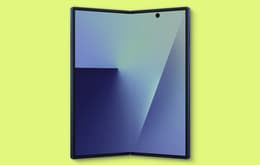
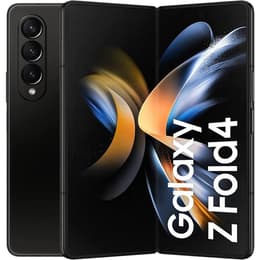
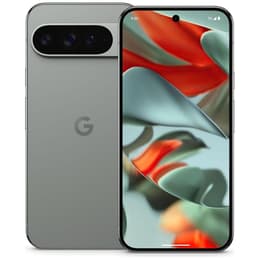
The Samsung Galaxy Z Fold4, released in August 2022, represents a significant offering in the foldable smartphone category, providing a large, adaptable screen experience. In contrast, the Google Pixel 9 Pro XL, launched in August 2024, is a premium traditional smartphone that emphasizes advanced computational photography and a streamlined Android experience. These devices cater to different user preferences, primarily distinguished by their form factor and approach to mobile technology. Both operate on the Android platform, though with distinct user interfaces and feature sets tailored by their respective manufacturers.

Scores

Durability

When considering the long-term usability of these devices, their release timelines and software support policies are key differentiators.

  • Software Support: The Galaxy Z Fold4, released in 2022, was promised four major Android OS upgrades and five years of security updates, extending its support until Android 16 and security patches until 2027. The Pixel 9 Pro XL, launched in 2024, offers an extended commitment with seven years of both OS and security updates, projecting support until Android 22.
  • Physical Durability: The Galaxy Z Fold4 features a unique foldable design with an inner flexible display and an outer cover screen, protected by Gorilla Glass Victus+ on the cover display and Armor Aluminum for the frame. Its hinge mechanism is a critical component of its design. The Pixel 9 Pro XL, with its traditional slab form factor, incorporates Gorilla Glass Victus 2 for screen protection and an aluminum frame, along with an IP68 rating for water and dust resistance.
  • Expected Lifespan: Users prioritizing the longest possible software longevity will find the Pixel 9 Pro XL's extended update policy beneficial. The foldable nature of the Z Fold4 introduces different considerations for long-term physical durability compared to the more conventional, sealed design of the Pixel 9 Pro XL.

Year of Release

2022

2024

Compatible with latest Update

Yes

Yes

OS

Android

Android

Foldable

Yes

No

Performance

The performance capabilities of both devices are designed to handle demanding tasks, though they achieve this with different underlying architectures.

  • Processing Power: The Galaxy Z Fold4 is equipped with a processor that capably handles multitasking, graphic-intensive applications, and rapid app loading, providing a smooth user experience. The Pixel 9 Pro XL features a newer generation processor optimized for artificial intelligence tasks and overall system responsiveness, ensuring fluid navigation and efficient handling of complex operations.
  • Multitasking and Storage: Both devices offer ample RAM, typically 12GB for the Z Fold4 and 16GB for the Pixel 9 Pro XL, facilitating efficient multitasking and app switching. Storage options are generous on both, ranging from 256GB to 1TB, catering to users with extensive data needs.
  • Battery Behavior: The Galaxy Z Fold4 houses a 4400 mAh battery, designed to power its dual-screen setup through a typical day of varied usage. The Pixel 9 Pro XL comes with a larger 5060 mAh battery, which, combined with its efficient processor and display technology, generally provides extended usage times, with users often reporting it lasting through a full day of heavy use.

Memory (GB)

12 GB

16 GB

Screen quality

The display experience is a primary distinguishing factor between these two smartphones, offering different approaches to visual interaction.

  • Display Technology and Size: The Galaxy Z Fold4 features a 7.6-inch foldable Dynamic AMOLED 2X inner display and a 6.2-inch Dynamic AMOLED 2X cover display, both offering vibrant colors and deep blacks. The Pixel 9 Pro XL sports a 6.8-inch LTPO OLED display, providing a large, immersive viewing area on a single panel.
  • Resolution and Brightness: The Z Fold4's inner display has a resolution of 2176 x 1812 pixels, while its cover screen is 904 x 2316 pixels. The Pixel 9 Pro XL offers a resolution of 2992 x 1344 pixels, resulting in sharp and clear visuals. The Pixel 9 Pro XL's display can reach a peak brightness of 3000 nits, making it highly visible even in bright outdoor conditions, while the Z Fold4 also offers strong brightness for its AMOLED panels.
  • Refresh Rate: Both devices feature a 120Hz adaptive refresh rate, ensuring smooth scrolling and fluid animations. The Pixel 9 Pro XL's LTPO technology allows for a variable refresh rate from 1Hz to 120Hz, contributing to power efficiency.

Resolution

1812 x 2176

1344 x 2992

Screen type

Foldable Dynamic AMOLED 2X

LTPO OLED

Audiovisual

Both smartphones offer advanced camera systems, though they excel in different aspects of photography and videography.

  • Camera System Configuration: The Galaxy Z Fold4 features a triple rear camera setup with a 50MP main sensor, a 12MP ultrawide, and a 10MP telephoto lens with 3x optical zoom. It also includes a 10MP cover camera and a 4MP under-display camera on the inner screen. The Pixel 9 Pro XL also has a triple rear camera system, comprising a 50MP main sensor, a 48MP ultrawide, and a 48MP telephoto lens with 5x optical zoom, alongside a 42MP front-facing camera.
  • Photography Performance: The Pixel 9 Pro XL is known for its computational photography, delivering natural colors and strong low-light performance across all its lenses, with AI features like 'Add Me' and 'Magic Editor' enhancing user creativity. The Z Fold4 provides versatile camera capabilities suitable for various lighting conditions, with its 3x optical zoom offering good detail for distant subjects.
  • Video Recording and Audio: Both devices support 4K video recording at 60fps, with the Pixel 9 Pro XL also offering 8K video via cloud-based upscaling and advanced video stabilization features. The Pixel 9 Pro XL's microphones are noted for clear vocal pickup, and both phones offer stereo speaker output for media consumption.

Main camera

50 megapixels

50 megapixels

Front camera

4 megapixels

42 megapixels

Miscellaneous

Beyond core features, several practical elements contribute to the overall user experience of these devices.

  • Connectivity and Ports: Both devices support 5G connectivity. The Galaxy Z Fold4 includes Wi-Fi 6E and Bluetooth 5.2, while the Pixel 9 Pro XL features newer standards like Wi-Fi 7 and Bluetooth 5.3, offering potentially faster and more stable wireless connections. Both utilize a USB-C port for charging and data transfer.
  • Biometrics and Sensors: The Galaxy Z Fold4 incorporates a side-mounted fingerprint sensor and face recognition. The Pixel 9 Pro XL features an ultrasonic in-screen fingerprint sensor for secure unlocking. Both include a range of sensors such as accelerometers, gyroscopes, and compasses, with the Pixel 9 Pro XL also featuring Ultra-Wideband (UWB) support and satellite SOS service.
  • Physical Attributes: The Galaxy Z Fold4 weighs 263 grams and has dimensions that vary significantly between its folded and unfolded states, impacting one-handed use and pocketability. The Pixel 9 Pro XL, a traditional smartphone, weighs 221 grams and has a more consistent form factor, making it a substantial but manageable device for daily handling.

Weight

263 g

221 g

Screen size (in)

7.6

6.8

Mobile network

5G

5G

SIM card

Dual Physical SIM + eSIM

Physical SIM + eSIM

Carrier compatibility

Unlocked

Unlocked

User feedback for the Galaxy Z Fold4 often praises its innovative foldable design, which offers a tablet-like experience for productivity and media consumption, particularly for those who appreciate a larger screen on demand. Some users have noted the unique aspect ratio of the cover screen and the crease on the inner display as points of adjustment. The Pixel 9 Pro XL generally receives acclaim for its exceptional camera performance, especially in computational photography and low-light conditions, as well as its long-term software support and clean Android interface. Some discussions around the Pixel 9 Pro XL have touched upon its processor performance in comparison to other flagship chipsets, though for everyday use, it delivers a smooth experience.

Users prioritizing a versatile, large-screen experience for multitasking and media consumption, and who are drawn to the innovative foldable form factor, may find the Galaxy Z Fold4 well-suited to their needs. Its ability to transform from a compact smartphone to a mini-tablet offers a unique blend of portability and screen real estate. Conversely, individuals who value a top-tier camera system, extended software longevity, and a consistent, premium traditional smartphone experience will likely lean towards the Google Pixel 9 Pro XL. Its focus on AI-driven features and a streamlined Android interface provides a distinct user journey. Both devices offer compelling features for different user profiles, and considering a quality-assured refurbished option for either model can be an eco-friendly alternative for making an informed choice.


See all articles

Our recent comparisons