
Google Pixel 9 Pro XL Vs iPhone 15

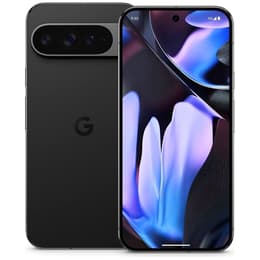
Google Pixel 9 Pro XL
Starting at

Refurbished price:£383.00

Versus £1,093.99 new

See options
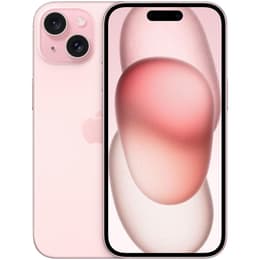
iPhone 15
iPhone 15
Starting at

Refurbished price:£325.00

Versus £699.00 new

See options

Ratings

The Google Pixel 9 Pro XL, released in August 2024, and the iPhone 15, launched in September 2023, represent distinct approaches to the premium smartphone experience. While both devices offer advanced capabilities, they cater to different user preferences through their respective operating systems and hardware philosophies. The Pixel 9 Pro XL emphasizes AI-driven features and a comprehensive camera system within the Android ecosystem, whereas the iPhone 15 focuses on seamless integration within Apple's iOS, alongside robust performance and a refined user interface.

Scores

Durability

When considering the long-term usability of these devices, their release timelines and software support policies are key differentiators.

  • Release Timeline: The Google Pixel 9 Pro XL, released in August 2024, is a newer device compared to the iPhone 15, which launched in September 2023. This difference in release date means the Pixel 9 Pro XL benefits from a more recent hardware generation.
  • Software Longevity: Google has committed to providing seven years of software updates for the Pixel 9 Pro XL, ensuring support until Android 22. In contrast, Apple officially guarantees a minimum of five years of software support for the iPhone 15 series, though iPhones often receive updates for longer periods.
  • Durability and Repairability: Both devices feature robust builds designed for daily use. The iPhone 15 incorporates a Ceramic Shield front and an IP68 rating for dust and water resistance. The Pixel 9 Pro XL features Gorilla Glass Victus 2 for screen protection. While specific repairability scores vary, both manufacturers offer repair services and parts, contributing to their practical lifespan.

Year of Release

2024

2023

Compatible with latest Update

Yes

Yes

OS

Android

iOS

Foldable

No

No

Performance

Performance is a critical aspect for any modern smartphone, influencing everything from app responsiveness to demanding tasks like gaming and video editing.

  • Processing Power: The Google Pixel 9 Pro XL is powered by Google's Tensor G4 processor, designed to handle complex AI tasks and deliver a smooth Android experience. The iPhone 15 features Apple's A16 Bionic chip, known for its strong general performance and efficiency across iOS applications.
  • Multitasking and Responsiveness: With 16GB of RAM, the Pixel 9 Pro XL is well-equipped for extensive multitasking and running numerous applications simultaneously without slowdowns. The iPhone 15, with 6GB of RAM, provides a highly optimized iOS experience, ensuring fluid navigation and efficient app management for most users.
  • Storage Options: The Pixel 9 Pro XL offers storage configurations up to 1TB, providing ample space for large files, photos, and videos. The iPhone 15 is available with up to 512GB of internal storage, which is sufficient for many users but offers less maximum capacity than its competitor.

Memory (GB)

16 GB

6 GB

Screen quality

The display is the primary interface for user interaction, and both devices offer high-quality viewing experiences with distinct characteristics.

  • Display Technology and Size: The Google Pixel 9 Pro XL features a large 6.8-inch QHD+ display, offering expansive screen real estate for media consumption and productivity. The iPhone 15 comes with a 6.1-inch Super Retina XDR OLED display, providing a more compact form factor.
  • Resolution and Clarity: The Pixel 9 Pro XL's QHD+ resolution (2992x1344 pixels) results in sharp and detailed visuals across its larger screen. The iPhone 15's display, with a resolution of 2556x1179 pixels and approximately 460 pixels per inch, delivers excellent clarity and crispness for its size.
  • Brightness and Refresh Rate: The Pixel 9 Pro XL boasts a peak brightness of up to 3000 nits, ensuring exceptional visibility even in bright outdoor conditions, and features a dynamic refresh rate ranging from 1Hz to 120Hz for smooth scrolling and animations. The iPhone 15 offers a peak outdoor brightness of up to 2000 nits and a standard 60Hz refresh rate.

Resolution

1344 x 2992

1179 x 2556

Screen type

LTPO OLED

Super Retina XDR OLED

Audiovisual

Both smartphones are equipped with advanced camera systems, designed to capture high-quality photos and videos in various conditions.

  • Rear Camera System: The Google Pixel 9 Pro XL features a versatile triple-camera setup, including a 50MP main sensor, a 48MP ultrawide lens with macro focus, and a 48MP 5x telephoto lens. The iPhone 15 utilizes a dual-camera system with a 48MP main sensor that can also provide a 2x telephoto effect through sensor cropping, alongside a 12MP ultrawide lens.
  • Photography Features: The Pixel 9 Pro XL leverages Google's computational photography for features like Night Sight, Astrophotography, and Magic Editor, enhancing image quality and offering advanced editing capabilities. The iPhone 15 includes features such as Photonic Engine, Deep Fusion, Smart HDR 5, and Cinematic mode for video, delivering strong performance in various lighting and shooting scenarios.
  • Front Camera and Video: The Pixel 9 Pro XL is equipped with a 42MP front camera with autofocus, capable of recording 4K video at 60 frames per second. The iPhone 15 features a 12MP front camera with autofocus, also supporting 4K video recording. Both devices offer high-quality video capture, with the Pixel 9 Pro XL offering cloud-based 8K video upscaling via Video Boost.

Main camera

50 megapixels

48 megapixels

Front camera

42 megapixels

12 megapixels

Miscellaneous

Beyond core specifications, several practical elements contribute to the overall user experience and daily functionality of these devices.

  • Connectivity and Ports: Both the Pixel 9 Pro XL and iPhone 15 support 5G connectivity for fast mobile data. The Pixel 9 Pro XL features a USB-C port, while the iPhone 15 also transitioned to a USB-C port, offering universal charging and data transfer capabilities. The iPhone 15's USB-C port supports USB 2.0 speeds.
  • Biometric Security: The Pixel 9 Pro XL incorporates an ultrasonic under-display fingerprint sensor for secure unlocking, alongside face unlock. The iPhone 15 relies exclusively on Face ID for biometric authentication.
  • Design and Handling: The Pixel 9 Pro XL has dimensions of 162.8 x 76.6 x 8.5mm and weighs 221g, offering a substantial feel. The iPhone 15 is more compact at 147.6 x 71.6 x 7.8mm and weighs 171g, making it lighter and potentially easier for one-handed use. Both devices feature premium build materials, with the iPhone 15 utilizing an aluminum frame and color-infused glass back.

Weight

221 g

171 g

Screen size (in)

6.8

6.1

Mobile network

5G

5G

SIM card

Physical SIM + eSIM

Physical SIM + eSIM

Carrier compatibility

Unlocked

Unlocked

Connector

USB-C

USB-C (USB 2)

User feedback for the Google Pixel 9 Pro XL often highlights its exceptional camera capabilities, particularly its AI-driven enhancements, and its vibrant, high-refresh-rate display. Many users appreciate its long software support and robust battery life, which can extend to nearly 19 hours of continuous video playback or up to two days of moderate use. Some users, however, note its larger size and weight as a factor in handling.

The iPhone 15 receives praise for its bright OLED display, improved 48MP main camera, and the integration of the Dynamic Island. Users frequently commend its premium build quality and the smooth, reliable performance of iOS. Common criticisms include the 60Hz refresh rate, which some find less fluid compared to higher refresh rate displays on other devices, and the absence of a fingerprint sensor.

Users prioritizing a large, high-refresh-rate display, extensive camera features with advanced AI processing, and a longer software support window may find the Google Pixel 9 Pro XL well-suited to their needs. Its larger form factor and emphasis on Google's ecosystem are key considerations. Conversely, individuals who prefer a more compact device, a highly optimized operating system with a strong app ecosystem, and Face ID for security might lean towards the iPhone 15. Both devices offer compelling features for different user profiles, and exploring quality-assured refurbished options for either model can provide an eco-friendly alternative for making an informed choice.


See all articles

Our recent comparisons