Compare models
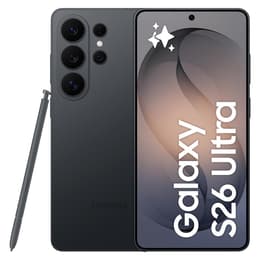
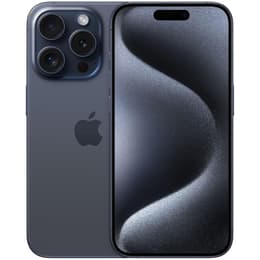
Galaxy S26 Ultra Vs iPhone 15 Pro
- 1-year minimum warranty
- Free delivery on all items
- Free 30-day returns
Differences at a glance
The Samsung Galaxy S26 Ultra (2026) and the Apple iPhone 15 Pro (2023) represent different approaches to high-end mobile technology, balancing expansive screen layouts with compact ergonomics across Android and iOS platforms. While they stem from different release years and operating systems, both devices deliver capable processing performance and versatile camera systems tailored to everyday users, professionals, and digital creators. Understanding how their core builds, software support cycles, and hardware layouts differ helps clarify which model fits specific daily routines.
Available Models
Colour
Storage
Scores
Durability
When evaluating long-term usability, software update schedules and hardware construction play pivotal roles in determining how each device ages over years of daily handling.
- Software Support Timelines: The Galaxy S26 Ultra benefits from an extended multi-year update commitment aligned with its recent 2026 launch, whereas the iPhone 15 Pro operates on an established update track reflecting its 2023 release date.
- Repairability and Build Longevity: Both devices employ reinforced exterior frames and durable glass protection designed to withstand routine drops, while maintaining accessible repair pathways through authorized channels.
- Expected Lifespan: The combination of robust processing headroom and sustained software patches ensures that both smartphones remain fully functional and secure for long-term daily use.
Year of Release
2026
2023
Compatible with latest Update
Yes
Yes
OS
Android
iOS
Foldable
No
No
Performance
System responsiveness and energy efficiency dictate how smoothly each device handles heavy multitasking, demanding applications, and extended periods away from a charger.
- Multitasking and App Loading: Generous RAM allocations on both models allow users to switch between resource-intensive productivity tools, navigation software, and web browsers without noticeable stutter or reloading.
- Battery Behavior: The Galaxy S26 Ultra features a larger physical battery capacity suited for extended mixed usage, while the iPhone 15 Pro relies on efficient power management to maintain stable endurance throughout a typical workday.
- Storage Configurations: Multiple internal capacity tiers accommodate large media libraries, offline document storage, and high-resolution video files without requiring constant cloud offloading.
Screen quality
Display characteristics define the visual experience for media consumption, outdoor legibility, and everyday text clarity.
- Display Technology: Both models utilize advanced OLED panel technology that delivers deep black levels, high contrast ratios, and vibrant color reproduction for photos and videos.
- Brightness and Outdoor Visibility: High peak brightness levels ensure that content remains legible under direct sunlight, making navigation and outdoor reading comfortable.
- Refresh Rate and Smoothness: High refresh rate support enables fluid scrolling through web pages and responsive touch feedback during gaming or interface navigation.
Resolution
1440 x 3120
1179 x 2556
Audiovisual
Imaging hardware and computational photography features shape how each smartphone captures daily moments, low-light environments, and professional-grade video content.
- Multi-Lens Arrays: The Galaxy S26 Ultra incorporates a flexible quad-lens setup with extended zoom reach, whereas the iPhone 15 Pro utilizes a balanced triple-lens configuration optimized for consistent color science across focal lengths.
- Low-Light and Video Recording: Advanced sensor sensitivity captures clear details in dim environments, while steady stabilization features support smooth handheld video capture for vlogs or personal memories.
- Audio and Media Output: Stereo speaker systems deliver clear sound for hands-free calls and media playback, supported by sensitive microphone arrays that isolate voice input effectively during recordings.
Front camera
12.0
12 megapixels
Miscellaneous
Practical daily usability is further shaped by connectivity standards, physical dimensions, and biometric security features.
- Connectivity and Ports: Both models support modern 5G cellular networks and fast Wi-Fi standards, utilizing standard USB-C physical connectors for data transfer and charging.
- Biometric Security: Secure authentication is handled via responsive facial recognition technology or integrated fingerprint sensors embedded directly into the display or side frame.
- Dimensions and Handling: The Galaxy S26 Ultra offers a wider, expansive workspace suited for productivity, while the iPhone 15 Pro provides a more compact, pocket-friendly footprint for single-handed operation.
Weight
214 g
187 g
Screen size (in)
6.9
6.1
Mobile network
5G
5G
SIM card
Physical SIM + eSIM
Physical SIM + eSIM
Carrier compatibility
Unlocked
Unlocked
Connector
USB-C
USB-C
What the community thinks
Choosing between these two smartphones depends heavily on personal preferences regarding operating systems, physical scale, and specific daily tasks. Users prioritizing an expansive viewing canvas and extensive multi-lens zoom capabilities will find the Galaxy S26 Ultra well-suited to their workflow. Conversely, users favoring a compact form factor and seamless ecosystem integration often lean toward the iPhone 15 Pro.
For consumers seeking a sustainable choice, opting for a quality-assured refurbished option provides a practical way to acquire either device while minimizing environmental impact. Reviewing individual feature priorities helps ensure the final selection matches your day-to-day requirements.