
Compare models
Galaxy S25 FE Vs iPhone 14
- 1-year minimum warranty
- Free delivery on all items
- Free 30-day returns
Differences at a glance
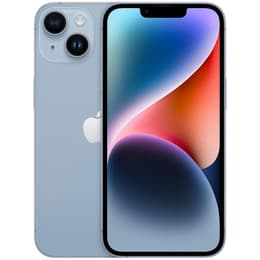
The Samsung Galaxy S25 FE (2025) and the iPhone 14 (2022) represent different generations and distinct operating systems in the smartphone market. While the iPhone 14 runs on Apple's streamlined iOS platform, the Galaxy S25 FE operates on Google's customizable Android system with Samsung's interface. Choosing between these two devices involves weighing a more recent release with modern design touches against an established, reliable model backed by long-term software support.
Available Models
Colour
Storage (GB)
Scores
Durability
When examining longevity, both smartphones approach software updates and physical resilience differently, making them durable companions depending on user priorities.
- Software longevity and update support: The Galaxy S25 FE benefits from a recent release year, securing several years of operating system upgrades and security patches. The iPhone 14, launched earlier, maintains Apple's tradition of extended software support, ensuring it stays current for a comparable duration.
- Build resilience and physical repairability: Both models feature robust water resistance ratings and sturdy outer frames designed to handle daily drops and spills. Sourcing quality-assured refurbished options provides an eco-friendly alternative that extends device life cycles while reducing electronic waste.
Year of Release
2025
2022
Compatible with latest Update
Yes
Yes
OS
Android
iOS
Foldable
No
No
Performance
Performance capabilities dictate how smoothly each device handles everyday multitasking, heavy applications, and battery longevity during long days away from a power outlet.
- Multitasking and daily speed: Both devices manage web browsing, social media applications, and streaming effortlessly without noticeable stutter. The Galaxy S25 FE handles demanding games and heavy background tasks smoothly, while the iPhone 14 offers optimized system responsiveness through tight hardware and software integration.
- Battery behavior and storage configurations: The Galaxy S25 FE provides ample battery capacity to comfortably last through a full day of mixed use, whereas the iPhone 14 relies on software power management to sustain everyday tasks. Storage options on both devices accommodate standard media libraries and applications without requiring immediate cloud storage reliance.
Screen quality
Display characteristics shape the visual experience for viewing media, reading articles, and navigating user interfaces under various lighting conditions.
- Panel technology and visual clarity: Both smartphones utilize vibrant display technology that delivers deep contrast levels and crisp text rendering. The Galaxy S25 FE offers a fluid refresh rate for smoother scrolling animations, while the iPhone 14 maintains a standard refresh rate paired with accurate color reproduction.
- Outdoor visibility and screen dimensions: High peak brightness levels on both screens ensure legibility under direct sunlight. Screen sizes differ slightly, catering to users who prefer expansive viewing surfaces versus those who favor a compact footprint for single-handed operation.
Audiovisual
Imaging and audio systems determine how well each smartphone captures memories and reproduces sound for media consumption and communication.
- Camera versatility and low-light capture: Both devices feature multi-lens setups capable of recording sharp everyday photos and stable video clips. The Galaxy S25 FE excels in flexible zoom capabilities, while the iPhone 14 relies on computational processing for consistent low-light imagery and smooth video stabilization.
- Audio output and call clarity: Integrated stereo speakers on both models deliver clear sound for podcasts and casual video viewing. Microphone arrays isolate background noise effectively during phone calls and voice recordings.
Miscellaneous
Practical everyday features, connectivity standards, and physical handling characteristics influence overall user comfort and convenience.
- Connectivity and physical ports: Both smartphones support fast cellular networks and reliable local wireless standards. The Galaxy S25 FE utilizes a universal connector port, whereas the iPhone 14 relies on Apple's proprietary connection standard.
- Biometric security and physical handling: Security features include responsive facial recognition or fingerprint scanning depending on the model. Weight distribution and chassis dimensions affect pocketability and ease of single-handed reach.
Weight
190 g
172 g
Screen size (in)
6.7
6.1
Mobile network
5G
5G
SIM card
Physical SIM + eSIM
Physical SIM + eSIM
Carrier compatibility
Unlocked
Unlocked
Connector
USB-C
Lightning
What the community thinks
Users evaluating the Samsung Galaxy S25 FE and the iPhone 14 often note distinct preferences regarding operating systems and hardware recency. Owners of the Galaxy S25 FE frequently praise its fluid display and flexible camera system, though some mention that its physical footprint feels slightly larger in hand. Conversely, iPhone 14 users appreciate the straightforward interface and reliable everyday performance, while occasionally pointing out that the charging speeds lag behind newer market standards.
Users prioritizing a modern Android experience with a smooth screen refresh rate may prefer the Galaxy S25 FE. Meanwhile, users invested in the iOS ecosystem who value a compact design and long-term software consistency will find the iPhone 14 well-suited to their needs. Exploring a sustainable, quality-assured refurbished option allows consumers to acquire either device while minimizing environmental impact. Ultimately, the right choice depends on individual operating system preferences and daily usage habits rather than overall superiority.