iPhone 14 Vs iPhone 16

iPhone 14
iPhone 14
Starting at

Refurbished price:£229.00

Versus £599.00 new

See options
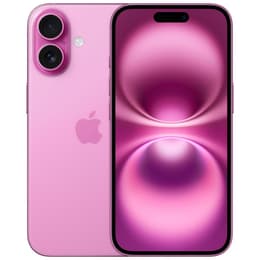
iPhone 16
iPhone 16
Starting at

Refurbished price:£484.00

Versus £699.00 new

See options

Ratings

The iPhone 14 (2022) and the iPhone 16 (2024) are two generations of Apple's standard smartphone model, separated by a two-year gap that introduced several meaningful changes to the user experience. While the iPhone 14 remains a capable device for everyday tasks, the iPhone 16 brings updated physical controls, a more versatile camera system, and a shift to a universal charging port. Both devices currently run the same version of iOS, providing a consistent software environment, but they differ in how they handle the most demanding modern applications.

Scores

Durability

The age difference between these two models significantly impacts their expected lifespan and software support timeline, with the newer model offering a longer horizon for updates.

  • Software Longevity: The iPhone 16 is expected to receive official software updates for at least two years longer than the iPhone 14, making it a more suitable choice for users who plan to keep their device for the long term.
  • Physical Resilience: Both models feature a glass and aluminium design with a protective ceramic layer on the front, but the iPhone 16 uses a more advanced version of this material for improved resistance to daily wear.
  • Repairability: Both devices have been designed with an internal structure that allows for easier access to the front and back panels, simplifying common repairs like battery or screen replacements compared to older generations.

Year of Release

2022

2024

Compatible with latest Update

Yes

Yes

Foldable

No

No

Performance

While both smartphones provide a responsive experience for standard activities like browsing and messaging, the iPhone 16 is built to handle more intensive workloads and future software features.

  • System Responsiveness: The iPhone 16 offers a more fluid experience when switching between multiple heavy applications or editing high-resolution video, thanks to its more powerful internal hardware and increased memory.
  • Battery Efficiency: Users will find that the iPhone 16 manages power more effectively during intensive tasks, often resulting in more hours of use between charges compared to the iPhone 14, especially when streaming media.
  • Gaming and Demanding Apps: For those who enjoy mobile gaming or use professional-grade creative tools, the iPhone 16 provides higher frame rates and better thermal management, preventing the device from slowing down during extended use.

Memory (GB)

6 GB

8 GB

Screen quality

The display technology on both devices is high-quality, but the iPhone 16 introduces a more modern interface and higher brightness levels that improve visibility in various environments.

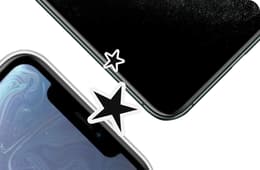
  • Display Interface: The iPhone 16 features the Dynamic Island, a versatile area at the top of the screen that displays live notifications and background activities, replacing the static notch found on the iPhone 14.
  • Outdoor Visibility: The screen on the iPhone 16 can reach significantly higher brightness levels, making it much easier to read text or view photos when standing in direct sunlight compared to the iPhone 14.
  • Visual Clarity: Both devices utilise OLED technology, which provides deep blacks and vibrant colours, but the iPhone 16 offers more precise control over dimming, which can be more comfortable for the eyes during nighttime use.

Resolution

1170 x 2532

1179 x 2556

Screen type

Super Retina XDR OLED

Super Retina XDR OLED

Audiovisual

The camera systems represent one of the most significant jumps between these two models, with the iPhone 16 offering more flexibility for photography enthusiasts.

  • Main Camera Resolution: The iPhone 16 features a high-resolution main sensor that captures significantly more detail than the sensor on the iPhone 14, allowing for clearer photos even when zooming in or cropping.
  • Versatility and Macro: Unlike the iPhone 14, the iPhone 16 includes the ability to take extreme close-up macro photos, allowing users to capture intricate details of small objects like flowers or textures.
  • Video and Audio: The iPhone 16 includes improved microphones that help reduce wind noise during outdoor recordings, and it supports spatial audio capture, providing a more immersive sound experience when playing back videos.

Main camera

12 megapixels

48 megapixels

Front camera

12 megapixels

12 megapixels

Miscellaneous

Practical daily usage is influenced by the physical buttons and the type of cables required to charge and sync the devices.

  • Charging and Connectivity: The iPhone 16 uses a USB-C port, which is the current standard for most modern electronics, while the iPhone 14 uses the older Lightning connector, requiring different cables for charging.
  • Physical Controls: The iPhone 16 replaces the traditional mute switch with a customisable Action Button and adds a dedicated Camera Control button, whereas the iPhone 14 retains the classic toggle for silencing the phone.
  • Handling and Weight: Both phones have a similar footprint and weight, making them easy to use with one hand, though the iPhone 16 features slightly more contoured edges for a more comfortable grip during long sessions.

Weight

172 g

170 g

Screen size (in)

6.1

6.1

Mobile network

5G

5G

SIM card

Physical SIM + eSIM

Physical SIM + eSIM

Carrier compatibility

Unlocked

Unlocked

Connector

Lightning

USB-C (USB 2)

User feedback from various forums indicates that the iPhone 14 is highly regarded for its reliability and familiar design, with many users appreciating its straightforward functionality. However, some users note that its charging port and older screen design feel less modern in the current landscape. In contrast, the iPhone 16 receives praise for its bright display and the convenience of the new physical buttons, though some users find the additional controls require a short learning period to master.

Users who prioritise having the latest features, such as a high-resolution camera and universal USB-C charging, will likely find the iPhone 16 to be the better fit for their needs. Conversely, those who prefer a more traditional interface and do not require advanced photography tools may find the iPhone 14 perfectly adequate. Choosing a quality-assured refurbished option is an excellent way to access these technologies while making a sustainable choice for the environment. Both devices offer a high-quality smartphone experience, and the decision ultimately rests on whether the newer hardware additions of the iPhone 16 align with the user's specific habits and long-term expectations.

See all articles

Our recent comparisons