
Galaxy A15 Vs iPhone 14

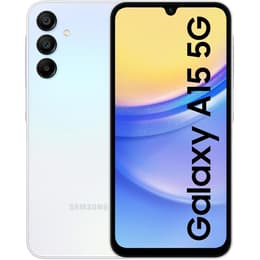
Galaxy A15
Galaxy A15
Starting at

Refurbished price:£88.00

Versus £169.00 new

See options
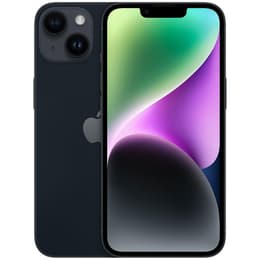
iPhone 14
iPhone 14
Starting at

Refurbished price:£229.00

Versus £599.00 new

See options

Ratings

The Samsung Galaxy A15 (2024) and the Apple iPhone 14 (2022) are smartphones that target distinct segments of the mobile market. The Galaxy A15 is a modern entry-level device designed for users who value a large display and long battery life, while the iPhone 14 is a refined flagship that focuses on high-performance internals and a compact, durable build.

Operating on Android and iOS respectively, these devices offer vastly different software experiences. The Galaxy provides more customisation through Samsung's interface, whereas the iPhone prioritises a streamlined, interconnected ecosystem for users already invested in Apple services and hardware.

Scores

Durability

The Galaxy A15 and iPhone 14 offer different levels of physical resilience and long-term software support based on their release timelines.

  • Software Longevity: The iPhone 14 is expected to receive iOS updates for several more years, typically reaching a six or seven-year lifespan from its original release. The Galaxy A15 is supported by a generous update policy for its category, promising four years of major Android updates, which keeps it relevant until approximately 2028.
  • Build Resilience: The iPhone 14 features a glass and aluminium frame with a specialised ceramic shield on the front, providing significant protection against drops, alongside a high water resistance rating. The Galaxy A15 utilises a sturdy plastic construction that is less prone to shattering than glass but lacks an official rating for water and dust resistance.
  • Sustainable Lifecycle: Opting for a quality-assured refurbished option is a practical way to extend the useful life of these devices, ensuring that high-performance hardware remains in circulation rather than becoming waste.

Year of Release

2023

2022

Compatible with latest Update

Yes

Yes

OS

Android

iOS

Foldable

No

No

Performance

While both devices handle daily tasks with ease, they differ significantly in their processing power and battery management strategies.

  • System Responsiveness: The iPhone 14 is equipped with a high-performance processor that ensures smooth operation even when running demanding applications like video editors or high-end games. The Galaxy A15 provides a reliable experience for everyday activities such as web browsing and social media, though it may show signs of slowing down when multitasking with many heavy apps.
  • Battery Endurance: The Galaxy A15 houses a large battery capacity that often allows for two days of moderate use on a single charge, making it ideal for users who are frequently away from power outlets. The iPhone 14 has a smaller physical battery but benefits from highly efficient software integration, typically lasting a full day for most users.
  • Storage Flexibility: Users of the Galaxy A15 can expand their storage space using a microSD card, which is helpful for storing large photo libraries. The iPhone 14 relies on fixed internal storage, requiring users to choose their capacity at the start or use cloud services for extra space.

Memory (GB)

4 GB

6 GB

Screen quality

The viewing experience on these two smartphones is defined by different display technologies and refresh rates that impact daily use.

  • Visual Fluidity: The Galaxy A15 features a 90Hz refresh rate, which makes scrolling through lists and navigating the interface feel smoother and more responsive to the touch. The iPhone 14 uses a standard 60Hz refresh rate, which is traditional for many mobile devices but lacks the extra smoothness found on the Samsung model.
  • Display Technology: Both phones use advanced panel technology that delivers deep blacks and high contrast. The iPhone 14's display is tuned for high peak brightness, making it easier to read under direct sunlight, while the Galaxy A15's large screen provides an immersive experience for watching videos.
  • Clarity and Detail: The iPhone 14 offers a higher pixel density, resulting in sharper text and finer details when viewing high-resolution images. The Galaxy A15 provides a clear and vibrant picture that is well-suited for general media consumption, though it does not reach the same level of absolute sharpness as the iPhone.

Resolution

1080 x 2340

1170 x 2532

Screen type

Super AMOLED

Super Retina XDR OLED

Audiovisual

Photography and media consumption are handled differently by these two devices, reflecting their different design goals and hardware capabilities.

  • Camera Versatility: The Galaxy A15 includes a triple-camera system with a dedicated macro lens for close-up photography, offering variety for casual photographers. The iPhone 14 features a dual-camera setup that focuses on high-quality image processing, delivering consistent results with natural colours and excellent dynamic range.
  • Video Capabilities: The iPhone 14 is widely recognised for its stable and high-resolution video recording, including features that allow for professional-looking focus transitions. The Galaxy A15 records clear video for social sharing but lacks the advanced stabilisation and high-frame-rate options found on the iPhone.
  • Audio Experience: The iPhone 14 provides a balanced stereo speaker system that creates a wider soundstage for movies and music. The Galaxy A15 features a single speaker but retains a traditional 3.5mm headphone jack, allowing users to connect wired headphones without needing an adapter.

Main camera

50 megapixels

12 megapixels

Front camera

13 megapixels

12 megapixels

Miscellaneous

Practical features like connectivity and physical dimensions play a large role in the daily usability and handling of these smartphones.

  • Connectivity and Ports: The iPhone 14 uses a proprietary port for charging and supports fast 5G connectivity for quick downloads. The Galaxy A15 also supports 5G in many regions and uses a universal USB-C port, which is compatible with a wide range of modern accessories and chargers.
  • Biometric Security: For unlocking the device, the iPhone 14 uses advanced facial recognition technology that works in various lighting conditions. The Galaxy A15 employs a fingerprint sensor built into the power button, providing a quick and familiar way to access the phone.
  • Size and Handling: The iPhone 14 is more compact and lighter, making it easy to use with one hand and comfortable to carry in small pockets. The Galaxy A15 is larger and heavier, which provides more screen real estate for reading but may require two hands for comfortable operation.

Weight

200 g

172 g

Screen size (in)

6.5

6.1

Mobile network

4G

5G

SIM card

Dual Physical SIM

Physical SIM + eSIM

Carrier compatibility

Unlocked

Unlocked

User feedback from various forums suggests that the iPhone 14 is highly praised for its consistent performance, exceptional video quality, and the longevity of its software updates. Some users, however, note that the 60Hz screen feels dated compared to newer models. The Galaxy A15 receives positive remarks for its impressive battery life and the inclusion of a microSD slot and headphone jack, though some users mention that the camera performance in low light is not as strong as they would like.

Users who prioritise a compact design, high-end video recording, and a long-term commitment to software updates will likely find the iPhone 14 to be the better fit for their needs. Conversely, those who value a large screen for media, the flexibility of expandable storage, and a battery that can last through multiple days of use may lean toward the Galaxy A15.

Both devices represent reliable choices for different types of mobile users. For those seeking a sustainable choice, both models are available as eco-friendly alternatives through quality-assured refurbished options, allowing for a more conscious approach to technology consumption. Ultimately, the decision depends on whether one prefers the streamlined experience of iOS or the versatile, long-lasting nature of the Galaxy A series.


See all articles

Our recent comparisons