

Compare models
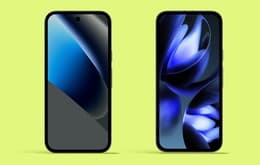
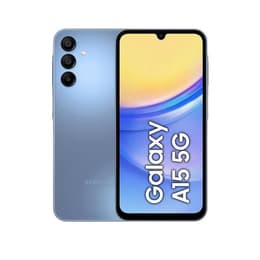
Galaxy A15 5G Vs Google Pixel 8
- 1-year minimum warranty
- Free delivery on all items
- Free 30-day returns
Differences at a glance
The Samsung Galaxy A15 5G and the Google Pixel 8 are smartphones released in late 2023 and early 2024, offering distinct experiences within the Android ecosystem. While the Galaxy A15 5G focuses on delivering essential features with strong battery life, the Pixel 8 emphasizes advanced camera capabilities and a streamlined software experience.
Available Models
Colour
Storage (GB)
Scores
Durability
The longevity of a smartphone is influenced by its release timeline, software support, and physical durability.
- Software Support: The Google Pixel 8, released in October 2023, stands out with an impressive commitment to seven years of Android OS and security updates. In contrast, the Samsung Galaxy A15 5G, released in December 2023/January 2024, offers four years of OS updates and five years of security updates.
- Physical Durability: The Pixel 8 features Corning Gorilla Glass Victus for display protection and an IP68 rating for dust and water resistance, indicating a robust build. The Galaxy A15 5G uses Dragontrail Pro glass for its display and has a primarily plastic build, without an official IP rating.
- Expected Lifespan: Users prioritizing extended software longevity will find the Pixel 8's update policy beneficial, potentially keeping the device current for a longer period. The Galaxy A15 5G still offers a respectable update cycle, contributing to a practical lifespan for most users.
Year of Release
2023
2023
Compatible with latest Update
Yes
Yes
OS
Android
Android
Foldable
No
No
Performance
Performance in daily use is a key differentiator, impacting how smoothly applications run and how devices handle multitasking.
- Processing Power: The Google Pixel 8 is equipped with Google's custom-designed processor, which delivers a responsive experience for everyday tasks and excels in AI-driven features. The Galaxy A15 5G features a processor capable of handling daily applications and web browsing, though some users might notice occasional delays when switching between multiple demanding apps.
- Multitasking and Responsiveness: The Pixel 8 generally offers smoother multitasking and faster app loading, making it well-suited for users who frequently switch between applications or engage in more intensive mobile activities. The Galaxy A15 5G provides sufficient performance for typical smartphone usage, including social media, communication, and media consumption.
- Battery Behavior: The Galaxy A15 5G is known for its extended battery life, often lasting up to two days with moderate use due to its 5000mAh battery. The Pixel 8, with its 4575mAh battery, typically provides a full day of use for most users, though heavy usage, such as prolonged gaming or 4K video recording, may require a mid-day top-up.
Screen quality
The visual experience is largely defined by the display technology, resolution, and brightness levels.
- Display Technology and Clarity: Both devices feature OLED displays, offering vibrant colors and deep blacks. The Galaxy A15 5G has a 6.5-inch Super AMOLED display with a 1080 x 2340 pixel resolution. The Pixel 8 features a 6.2-inch OLED Actua display with a 1080 x 2400 pixel resolution.
- Brightness and Smoothness: The Pixel 8's display offers a variable refresh rate of 60-120Hz and can reach up to 2000 nits peak brightness, providing a very smooth scrolling experience and excellent visibility in bright outdoor conditions. The Galaxy A15 5G has a 90Hz refresh rate and a maximum brightness of 800 nits, which is bright enough for indoor use and generally visible outdoors.
- Viewing Experience: Users who prioritize a highly fluid visual experience and superior outdoor visibility will appreciate the Pixel 8's display. The Galaxy A15 5G still offers a clear and vibrant viewing experience suitable for everyday media consumption.
Resolution
1080 x 2340
1080 x 2400
Screen type
Super AMOLED
OLED
Audiovisual
Camera capabilities are a significant factor for many users, influencing the quality of photos and videos captured.
- Rear Camera Systems: The Google Pixel 8 features a dual-camera setup with a 50MP main sensor (with optical image stabilization) and a 12MP ultrawide lens with autofocus. The Samsung Galaxy A15 5G has a triple-camera system, including a 50MP main camera, a 5MP ultrawide, and a 2MP macro lens.
- Photography Performance: The Pixel 8 is renowned for its advanced computational photography, producing detailed and vibrant images with excellent low-light performance and consistent exposure across various conditions. The Galaxy A15 5G delivers competent photos in well-lit environments, with colors that can appear slightly oversaturated.
- Video and Audio: The Pixel 8 supports 4K video recording at up to 60 frames per second, offering strong stabilization. The Galaxy A15 5G records video at FHD (1080p) at 30 frames per second. For audio, the Pixel 8's microphone quality is generally considered strong for calls and recordings, while the Galaxy A15 5G features a single down-firing speaker that can sound thin at high volumes.
Main camera
50 megapixels
50 megapixels
Front camera
13 megapixels
10.5 megapixels
Miscellaneous
Beyond core features, practical elements like connectivity, ports, and physical design contribute to the overall user experience.
- Connectivity and Ports: Both devices support 5G connectivity and Bluetooth 5.3. The Pixel 8 supports Wi-Fi 7, while the Galaxy A15 5G supports Wi-Fi 802.11 a/b/g/n/ac. The Pixel 8 uses a USB-C port and lacks a 3.5mm headphone jack. The Galaxy A15 5G also features a USB-C port but retains a 3.5mm headphone jack.
- Security and Biometrics: The Pixel 8 includes an in-display fingerprint scanner and offers secure face unlock. The Galaxy A15 5G features a side-mounted fingerprint sensor.
- Design and Handling: The Pixel 8 is slightly more compact and lighter at 150.5 x 70.8 x 8.9 mm and 187g. The Galaxy A15 5G measures 160.1 x 76.8 x 8.4 mm and weighs 200g. The Pixel 8 has a more refined design with a glass back, while the Galaxy A15 5G has a primarily plastic construction.
Weight
200 g
187 g
Screen size (in)
6.5
6.2
Mobile network
5G
5G
SIM card
Dual Physical SIM
Physical SIM + eSIM
Carrier compatibility
Unlocked
Unlocked
What the community thinks
User feedback for the Google Pixel 8 often highlights its exceptional camera performance, the clean and intuitive Android experience, and the long-term software support. Users appreciate its compact size and the effectiveness of its AI features. Some common concerns include the device getting warm during intensive tasks and battery life being average for heavy users.
For the Samsung Galaxy A15 5G, users frequently praise its impressive battery life, competent cameras for its segment, and Samsung's commitment to software updates. Its large, vibrant display is also a positive point. Criticisms sometimes point to its plastic build and the absence of an IP rating.
Users prioritizing a top-tier camera experience, a streamlined software interface, and the longest possible software support will find the Google Pixel 8 well-suited to their needs. Its robust build and advanced features cater to those seeking a premium Android experience. Conversely, users who prioritize extended battery life, expandable storage, and a 3.5mm headphone jack will likely lean towards the Samsung Galaxy A15 5G. It offers a reliable and practical smartphone experience for everyday tasks. Both devices are available as quality-assured refurbished options, providing an eco-friendly alternative for consumers.