
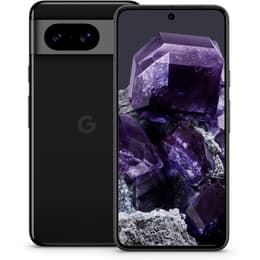
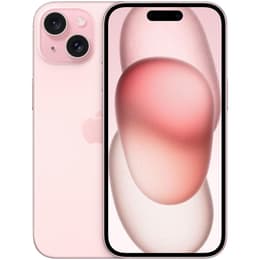

Google Pixel 8 Vs iPhone 15

Google Pixel 8
Google Pixel 8
Starting at

Refurbished price:£187.00

Versus £699.99 new

See options
iPhone 15
iPhone 15
Starting at

Refurbished price:£325.00

Versus £699.00 new

See options

Ratings

The Google Pixel 8 and the iPhone 15, both released in late 2023, represent the core flagship experiences from their respective manufacturers. While they occupy a similar space in the smartphone market, they offer distinct approaches to software, hardware integration, and user interaction. The Pixel 8 runs on Google's version of Android, emphasising artificial intelligence and customisation, whereas the iPhone 15 utilises iOS, known for its streamlined interface and deep integration with other Apple services. Choosing between them often comes down to a preference for specific software ecosystems and display technologies.

Scores

Durability

The Google Pixel 8 and iPhone 15 are designed for long-term use, though their software support timelines differ slightly in terms of guaranteed updates.

  • Software Longevity: The Pixel 8 is notable for its commitment to seven years of operating system and security updates, potentially keeping the device current until 2030. The iPhone 15 typically receives around six years of updates, which remains a high standard for the industry.
  • Physical Resilience: Both devices feature robust builds with glass and aluminium, though the Pixel 8 uses a specific glass designed for scratch resistance, while the iPhone 15 employs a ceramic-infused glass for impact protection.
  • Repairability: Recent shifts in design mean both phones are more accessible for repairs than previous generations, with the Pixel 8 benefiting from a partnership that makes official spare parts more widely available to the public.

Year of Release

2023

2023

Compatible with latest Update

Yes

Yes

OS

Android

iOS

Foldable

No

No

Performance

In daily use, both the Pixel 8 and iPhone 15 provide a responsive experience, though they prioritise different aspects of processing power for everyday tasks.

  • System Responsiveness: The iPhone 15 is recognised for its consistent speed when handling demanding tasks like video editing or high-end mobile gaming, maintaining a fluid feel across the interface. The Pixel 8 focuses on intelligent background processing, which helps with features like real-time translation and automated call screening.
  • Multitasking and Memory: The Pixel 8 includes a higher amount of temporary memory, which assists in keeping multiple apps open simultaneously without needing to reload them. The iPhone 15 manages its memory efficiently through software optimisations, ensuring that transitions between active apps remain smooth.
  • Battery Management: Both smartphones are equipped to last through a standard day of mixed usage. The Pixel 8 uses adaptive software to learn user habits and limit power to rarely used apps, while the iPhone 15 relies on the high efficiency of its internal components to preserve battery life during intensive activities.

Memory (GB)

8 GB

6 GB

Screen quality

The viewing experience on these two devices offers a clear contrast in terms of fluid motion and brightness levels for outdoor use.

  • Motion Smoothness: The Pixel 8 features a display with a high refresh rate of 120Hz, which makes scrolling through lists and navigating menus appear very fluid. In contrast, the iPhone 15 maintains a standard 60Hz refresh rate, which is stable but lacks the same level of visual smoothness during fast movement.
  • Outdoor Visibility: Both screens are designed to be legible in bright sunlight, but the Pixel 8 reaches a higher peak brightness, which can make it easier to see in direct outdoor conditions. The iPhone 15 provides excellent colour accuracy and contrast, making it well-suited for viewing high-definition media.
  • Interface Design: The iPhone 15 introduces a dynamic cutout at the top of the screen that changes shape to show notifications and background activities, whereas the Pixel 8 uses a more traditional, small circular cutout for the front camera to maximise the available screen area.

Resolution

1080 x 2400

1179 x 2556

Screen type

OLED

Super Retina XDR OLED

Audiovisual

Photography and video recording are central to both devices, with each brand offering a unique visual style and a variety of creative tools.

  • Image Processing: The Pixel 8 is frequently praised for its ability to capture natural skin tones and its suite of editing tools that allow users to remove unwanted objects from photos easily. The iPhone 15 focuses on high-resolution detail and a balanced look that works well across various lighting conditions without much manual adjustment.
  • Video Capabilities: For users who record a lot of video, the iPhone 15 offers highly stable footage and a dedicated mode for creating a shallow depth-of-field effect, similar to a professional camera. The Pixel 8 provides clear video with strong noise reduction, particularly useful when recording in environments with challenging acoustics.
  • Audio Output: Both phones feature stereo speakers that provide a clear and balanced sound for watching videos or taking calls. The microphone arrays on both devices are designed to isolate the user's voice and reduce background noise during conversations or voice recordings.

Main camera

50 megapixels

48 megapixels

Front camera

10.5 megapixels

12 megapixels

Miscellaneous

Beyond the core specifications, the physical handling and connectivity of these devices influence the daily user experience and convenience.

  • Physical Handling: The Pixel 8 has a slightly more rounded design which some users find more comfortable for one-handed use, while the iPhone 15 features a more squared-off aesthetic with slightly contoured edges. Both are relatively compact compared to larger flagship models.
  • Connectivity and Ports: Both devices have transitioned to USB-C ports, allowing for more universal charging options. They both support 5G connectivity for fast mobile data and include modern Wi-Fi standards for stable home internet connections.
  • Security Features: The iPhone 15 relies exclusively on facial recognition for unlocking the device and authenticating payments, which is known for its speed. The Pixel 8 offers both facial recognition and an under-display fingerprint sensor, providing users with more flexibility in how they access their phone.

Weight

187 g

171 g

Screen size (in)

6.2

6.1

Mobile network

5G

5G

SIM card

Physical SIM + eSIM

Physical SIM + eSIM

Carrier compatibility

Unlocked

Unlocked

User discussions on various technology forums highlight that the choice between the Google Pixel 8 and the iPhone 15 often depends on whether a user values software flexibility or ecosystem consistency. Pixel 8 users frequently commend the device for its helpful AI features and the smooth 120Hz display, though some note that the device can occasionally run warm during heavy use. iPhone 15 users often praise the reliable battery life and the high quality of video recording, while some express a desire for a faster screen refresh rate.

Users who prioritise a highly customisable interface and a screen that feels very responsive during navigation may find the Pixel 8 to be the more suitable choice. Conversely, those who prefer a straightforward user experience with excellent video performance and a wide range of compatible accessories might lean toward the iPhone 15. Both smartphones are available as a quality-assured refurbished option, providing a sustainable choice for those looking to reduce their environmental impact. Choosing a refurbished model from a reliable source ensures the device has been tested for functionality while supporting a more circular economy. Ultimately, both the Pixel 8 and iPhone 15 are capable flagships that serve different user priorities with high levels of performance and longevity.

See all articles

Our recent comparisons




