Galaxy A33 5G Vs Galaxy S25

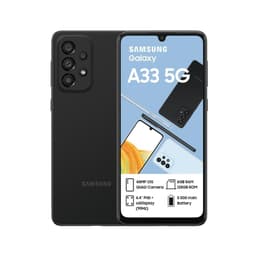
Galaxy A33 5G
Galaxy A33 5G
Starting at

Refurbished price:£102.00

Versus £389.00 new

See options
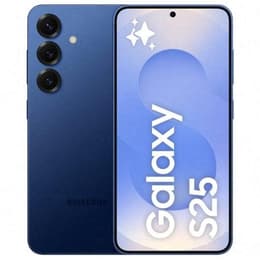
Galaxy S25
Galaxy S25
Starting at

Refurbished price:£435.00

Versus £766.13 new

See options

Ratings

The Samsung Galaxy A33 5G (2022) and the Samsung Galaxy S25 (2025) represent two distinct eras and categories within the Samsung smartphone lineup. While the Galaxy A33 5G was introduced as a practical mid-range device for everyday tasks, the Galaxy S25 is a modern flagship designed with the latest technological innovations. Both devices operate on the Android platform with Samsung’s user-friendly interface, but they differ significantly in terms of processing power, display technology, and long-term software support, catering to different user priorities and lifestyles.

Scores

Durability

The gap in release years between these two models creates a significant difference in their expected lifespan and software relevance.

  • Software Longevity: The Galaxy S25 is part of Samsung's newer support policy, offering seven years of security and operating system updates, which keeps the device current until 2032. The Galaxy A33 5G, being an older model, is nearing the end of its official update cycle, making it better suited for users who do not require the latest software features.
  • Build Resilience: The Galaxy S25 features a more robust construction with high-grade glass and a metal frame, providing better resistance to daily wear and tear. The Galaxy A33 5G uses a plastic-based build which is durable and lightweight but may show signs of age more quickly than the flagship materials.
  • Sustainable Choice: Choosing a quality-assured refurbished option for either model is an effective way to extend the life of these devices, offering a reliable experience while reducing the environmental footprint associated with manufacturing new electronics.

Year of Release

2022

2025

OS

Android

Android

Foldable

No

No

Performance

The difference in responsiveness and multitasking capability is one of the most noticeable distinctions between these two generations of hardware.

  • System Responsiveness: The Galaxy S25 handles demanding applications, high-end mobile gaming, and complex multitasking with ease, showing no signs of lag even when multiple heavy apps are open simultaneously. The Galaxy A33 5G is well-suited for standard tasks like browsing, social media, and video streaming, though it may experience slower load times when running intensive modern software.
  • Battery and Efficiency: The Galaxy A33 5G features a physically larger battery that often lasts through two days of light use. However, the Galaxy S25 utilizes much more efficient internal components that manage power intelligently, allowing it to last a full day comfortably despite its more compact size and more powerful performance capabilities.
  • Storage and Memory: The Galaxy S25 offers faster internal storage technology, which means apps install and open almost instantly, whereas the Galaxy A33 5G relies on older standards that result in slightly longer wait times during data-heavy operations.

Memory (GB)

6 GB

12 GB

Screen quality

Display technology has evolved significantly between the release of the A33 5G and the S25, particularly regarding brightness and visual smoothness.

  • Visual Fluidity: The Galaxy S25 features a high-refresh-rate display that adjusts dynamically, making scrolling through text and animations look incredibly smooth and responsive. The Galaxy A33 5G also offers a smooth experience compared to basic screens, but it lacks the advanced adaptive technology found in the newer flagship model.
  • Outdoor Visibility: Users who frequently use their phones outside will find the Galaxy S25 much easier to read in direct sunlight due to its significantly higher peak brightness levels. The Galaxy A33 5G remains clear in most indoor settings but may struggle to remain legible under very bright, direct outdoor light.
  • Color and Clarity: Both phones use vibrant panel technology that produces deep blacks and rich colors, but the S25 provides a sharper image with more precise color accuracy, which is beneficial for photo editing and high-definition media consumption.

Resolution

1080 x 2400

1080x2340

Screen type

Super AMOLED

Dynamic LTPO AMOLED 2X

Audiovisual

The camera systems reflect the different engineering priorities of mid-range and flagship devices, especially in challenging conditions.

  • Photography Versatility: The Galaxy S25 includes a dedicated telephoto lens, allowing users to take clear, zoomed-in photos of distant subjects without losing detail. The Galaxy A33 5G relies on digital zoom, which can result in grainier images when trying to capture subjects from a distance.
  • Low-Light Performance: In dark environments, the Galaxy S25 uses advanced sensors to pull in more light, resulting in brighter and clearer night-time photos with less visual noise. The Galaxy A33 5G produces respectable images in good lighting but often shows more grain when the ambient light decreases.
  • Video and Audio: For those who record video, the Galaxy S25 offers superior stabilization and higher resolution recording options. Additionally, its speakers provide a fuller, more immersive sound profile for watching movies or listening to music without external speakers or headphones.

Miscellaneous

Practical features and physical handling differ based on the design philosophy and target audience of each model.

  • Physical Handling: The Galaxy S25 is designed to be more compact and lightweight, making it easier to use with one hand and more comfortable in a pocket. The Galaxy A33 5G is slightly larger and heavier, which may appeal to users who prefer a more substantial feel and a larger physical footprint.
  • Biometric Security: The Galaxy S25 utilizes an advanced fingerprint sensor located under the glass that works quickly even if fingers are slightly damp. The Galaxy A33 5G uses a standard optical sensor that is reliable but generally slower and more sensitive to surface conditions or bright light.
  • Connectivity Standards: While both support 5G networks, the Galaxy S25 is compatible with the latest Wi-Fi and Bluetooth standards, ensuring faster wireless speeds and more stable connections with modern accessories, smart home devices, and high-speed home routers.

Weight

186 g

162 g

Screen size (in)

6.4

6.2

Mobile network

5G

5G

SIM card

Dual Physical SIM

Physical SIM + eSIM

Carrier compatibility

Unlocked

Unlocked

User feedback from various community forums highlights distinct experiences for both devices. Owners of the Galaxy A33 5G frequently praise its dependable battery life and the fact that it covers all the essential smartphone functions without unnecessary complexity. However, some users note that it can feel sluggish after several years of software updates. On the other hand, Galaxy S25 users often highlight the device's exceptional speed, compact form factor, and the high quality of its zoom camera, though some mention that the smaller physical battery requires daily charging for heavy users.

Users prioritizing a large screen and multi-day battery life for basic tasks may find the Galaxy A33 5G perfectly adequate for their needs. Conversely, users prioritizing high-end photography, smooth gaming performance, and long-term software support will likely lean toward the Galaxy S25. For those looking to make a sustainable choice, opting for an eco-friendly alternative like a quality-assured refurbished device allows access to these technologies while supporting a circular economy. Ultimately, the decision rests on whether you require the cutting-edge capabilities of a modern flagship or the straightforward reliability of a proven mid-range device.

See all articles

Our recent comparisons