
Galaxy S25 Vs iPhone 15

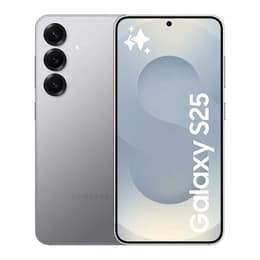
Galaxy S25
Galaxy S25
Starting at

Refurbished price:£435.00

Versus £766.13 new

See options
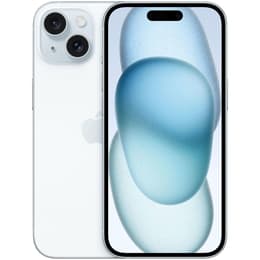
iPhone 15
iPhone 15
Starting at

Refurbished price:£325.00

Versus £699.00 new

See options

Ratings

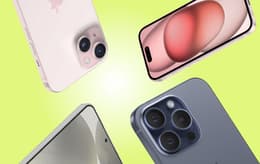
The Samsung Galaxy S25, released in early 2025, and the Apple iPhone 15, launched in late 2023, represent two different generations of flagship smartphones. While the Galaxy S25 is a more recent entry into the market, the iPhone 15 remains a popular choice for those integrated into the Apple ecosystem. The primary differences lie in their release timing, display technology, and camera configurations. The Galaxy S25 runs on the Android operating system with Samsung’s custom interface, whereas the iPhone 15 utilizes iOS, offering distinct user experiences and software environments.

Scores

Durability

The Galaxy S25 and iPhone 15 offer different expectations for long-term use based on their release dates and manufacturer support policies.

  • Software Longevity: The Galaxy S25 was released in 2025 with a commitment from Samsung to provide seven years of security and operating system updates, potentially keeping the device current until 2032. The iPhone 15, arriving in 2023, typically receives six to seven years of support from Apple, meaning its software lifecycle may conclude around 2029 or 2030.
  • Physical Resilience: Both devices feature robust build quality with aluminum frames and toughened glass. The iPhone 15 uses a Ceramic Shield front, while the Galaxy S25 employs the latest version of Gorilla Glass, both designed to withstand minor drops and scratches.
  • Repairability: Both manufacturers have made strides in internal design to facilitate easier repairs. Choosing a quality-assured refurbished option for either model ensures that the device has been inspected for structural integrity and component health.

Year of Release

2025

2023

OS

Android

iOS

Foldable

No

No

Performance

While both smartphones handle everyday tasks with ease, the two-year gap between their releases results in different levels of processing efficiency and multitasking capabilities.

  • System Responsiveness: The Galaxy S25 features a newer internal architecture that manages demanding applications and high-end mobile games with high fluidity. The iPhone 15 remains very responsive for standard tasks like social media, web browsing, and video streaming, though it may show its age sooner when running future, more intensive software.
  • Multitasking and Memory: With a higher amount of temporary memory, the Galaxy S25 is well-suited for users who keep many apps open simultaneously without the system closing them in the background. The iPhone 15 uses less memory but benefits from highly efficient software optimization that keeps the experience smooth.
  • Battery Behavior: Both devices are designed to last through a full day of typical use. The Galaxy S25’s newer components are optimized for energy efficiency, while the iPhone 15’s battery management is tailored to provide consistent performance across various activities.

Memory (GB)

12 GB

6 GB

Screen quality

The viewing experience differs significantly between these two models, primarily due to the refresh rate and brightness capabilities of their respective displays.

  • Motion Smoothness: The Galaxy S25 features a high-refresh-rate display that updates 120 times per second, resulting in very smooth scrolling and animations. In contrast, the iPhone 15 uses a standard 60Hz refresh rate, which is functional for daily use but lacks the fluid visual feel found on the Samsung model.
  • Outdoor Visibility: The Galaxy S25 is designed with a very high peak brightness, making the screen easier to read under direct sunlight. The iPhone 15 also offers a bright OLED panel that performs well outdoors, though it does not reach the same maximum levels as the newer Samsung device.
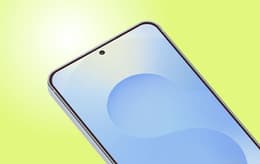
  • Display Features: The iPhone 15 includes the Dynamic Island, a functional cutout at the top of the screen that displays notifications and background activity. The Galaxy S25 uses a small, unobtrusive camera cutout to maximize the available screen space for media consumption.

Resolution

1080x2340

1179 x 2556

Screen type

Dynamic LTPO AMOLED 2X

Super Retina XDR OLED

Audiovisual

Photography enthusiasts will find that these devices prioritize different aspects of image and video capture, with the Galaxy S25 offering more physical lenses.

  • Zoom Versatility: The Galaxy S25 includes a dedicated telephoto lens, allowing users to take clear photos of distant subjects using optical zoom. The iPhone 15 lacks a dedicated zoom lens, instead using its high-resolution main sensor to crop into images for a similar effect, which may result in less detail at higher zoom levels.
  • Image Processing: Samsung’s camera system often produces vibrant images with high contrast, which many users find appealing for social media. Apple’s approach with the iPhone 15 focuses on natural color reproduction and consistent skin tones, which is often preferred by those seeking a realistic look.
  • Video Performance: The iPhone 15 is frequently noted for its stable video recording and smooth transitions between lenses. The Galaxy S25 offers high-resolution video options and advanced stabilization features that cater to users who record a lot of action footage.

Miscellaneous

Beyond the core specifications, practical features like connectivity and physical handling play a significant role in the daily user experience.

  • Biometric Security: The Galaxy S25 utilizes an ultrasonic fingerprint sensor built into the screen, allowing for quick access even if fingers are slightly damp. The iPhone 15 relies on facial recognition technology to unlock the device and authorize payments securely.
  • Physical Handling: Both phones are relatively compact and easy to use with one hand. The iPhone 15 features slightly contoured edges for a comfortable grip, while the Galaxy S25 maintains a slim profile and lightweight build that makes it highly portable for travelers and professionals.
  • Connectivity and Ports: Both devices have transitioned to USB-C ports, simplifying cable management for users with other modern electronics. They both support 5G connectivity, ensuring fast data speeds in areas with network coverage, though the Galaxy S25 supports newer Wi-Fi standards for improved home networking.

Weight

162 g

171 g

Screen size (in)

6.2

6.1

Mobile network

5G

5G

SIM card

Physical SIM + eSIM

Physical SIM + eSIM

Carrier compatibility

Unlocked

Unlocked

Choosing between the Galaxy S25 and the iPhone 15 often comes down to a preference for specific features versus ecosystem familiarity. Based on user discussions on community forums, the Galaxy S25 is highly praised for its smooth 120Hz display and the flexibility provided by its dedicated zoom lens. Some users, however, express a preference for the straightforward interface and long-term reliability of the iPhone 15. The iPhone 15 receives consistent praise for its stable video quality and the convenience of the Dynamic Island, though some users note the 60Hz screen feels less fluid compared to newer alternatives.

Users who prioritize having the latest display technology and versatile camera options for travel photography may find the Galaxy S25 aligns best with their needs. Conversely, users who value a consistent software experience, excellent video recording, and integration with other Apple products might lean toward the iPhone 15. For those looking to make a sustainable choice, selecting an eco-friendly alternative like a quality-assured refurbished device allows for high performance while reducing environmental impact. Both smartphones remain capable tools for modern life, offering distinct paths toward a high-quality mobile experience.
See all articles

Our recent comparisons