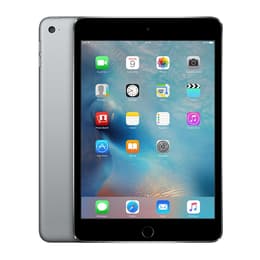

iPad 5 (2017, A9 series) Vs iPad mini 3 (2015, A8 series)

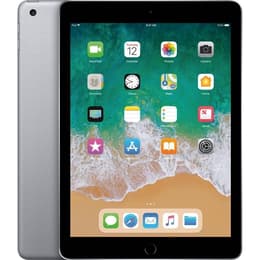
iPad 5 (2017, A9 series)
Starting at

Refurbished price:£48.50

Versus £339.00 new

See options
iPad mini 3 (2015, A8 series)
Starting at

Refurbished price:£50.00

Versus £449.00 new

See options

Ratings

The iPad 2017, also known as the 5th generation iPad, was released in March 2017, while the iPad Mini 4 debuted in September 2015. Both devices operate on Apple's iPadOS, offering a consistent user experience within the ecosystem. Key distinctions between these two tablets lie in their screen size, processor generation, and overall form factor, catering to different user preferences.

Scores

Durability

When considering the long-term usability of these tablets, their release timelines and software support are important factors.

  • Release Timeline: The iPad 2017 was released two years after the iPad Mini 4, giving it a slight advantage in terms of hardware age. [1, 2, 5, 6]
  • OS Support Duration: The iPad 2017 supports up to iPadOS 16, while the iPad Mini 4's software support concludes with iPadOS 15. This means the iPad 2017 benefits from one additional major operating system update, potentially extending its compatibility with newer applications and security patches. [10, 12, 16, 24, 28, 35]
  • Practical Lifespan: While both devices are older models, the iPad 2017's newer processor and extended software support suggest it may remain functional for everyday tasks for a slightly longer period. Repairability for both models is generally similar for their age, though parts availability can vary.

Year of Release

2017

2015

Compatible with latest Update

No

No

OS

iPadOS

iPadOS

Maximum Operating System supported

iPadOS 16

iPadOS 15

Performance

The performance of these two iPads is primarily differentiated by their internal processing capabilities and battery characteristics.

  • Processor Capabilities: The iPad 2017 features a newer generation processor compared to the iPad Mini 4. This translates to the iPad 2017 handling demanding applications and multitasking with greater responsiveness. Users may experience smoother app loading and more fluid navigation on the iPad 2017. [5, 8, 9, 22]
  • Multitasking and Responsiveness: Both devices come with 2GB of RAM, which was standard for their respective release periods. However, the iPad 2017's more capable processor allows it to manage multiple applications and system processes more efficiently, leading to a generally more responsive user experience. [3, 8, 9, 10, 19, 22]
  • Battery Behavior: The iPad 2017 is equipped with a larger battery capacity, typically providing around 10 hours of usage for web browsing, video playback, or music listening. [8, 11, 29] The iPad Mini 4, with its smaller form factor, has a lower battery capacity. While some users reported good battery life for its size, others noted degradation over time, which is common for older devices. [7, 14]

Memory (GB)

2 GB

2 GB

Processor

Apple A9

Apple A8

Screen quality

The visual experience on these two tablets presents notable differences, particularly concerning display technology and physical characteristics.

  • Display Technology and Clarity: Both the iPad 2017 and iPad Mini 4 feature Retina IPS LCD displays with the same resolution of 2048 x 1536 pixels. [1, 2, 4, 5, 6, 7, 8, 9, 10, 29] However, the iPad Mini 4's smaller 7.9-inch screen results in a higher pixel density (326 ppi) compared to the iPad 2017's 9.7-inch display (264 ppi), offering a slightly sharper image for its size. [1, 2, 4, 6, 8]
  • Lamination and Brightness: A significant difference lies in the display construction. The iPad Mini 4 boasts a fully laminated display with an anti-reflective coating, which reduces the gap between the glass and the LCD, leading to improved clarity, reduced glare, and a more 'screen-on-top' feel. [1, 10, 15, 26] In contrast, the iPad 2017 lacks this lamination and anti-reflective coating, which can result in more noticeable reflections and a slight air gap between the display and the glass. [8, 11, 27, 29, 31, 33] This can make outdoor viewing or use in brightly lit environments more challenging on the iPad 2017.
  • Viewing Experience: The larger screen of the iPad 2017 provides more expansive viewing for media and productivity, while the iPad Mini 4's compact screen is well-suited for reading and portability.

Resolution

2048 x 1536

2048 x 1536

True Tone

No

No

Pro-Motion

No

No

Screen type

Retina display

Retina display

Pixel density

264ppp

326ppp

Brightness

500 nits brightness

400 nits brightness

Sound quality

Speakers

Stereo speakers

Stereo speakers

Audiovisual

The camera systems and audio capabilities of both tablets are designed for general use rather than advanced photography or videography.

  • Camera System Capabilities: Both the iPad 2017 and the iPad Mini 4 are equipped with an 8-megapixel rear camera and a 1.2-megapixel front-facing camera. [1, 3, 4, 5, 7, 8, 9, 10, 29] This configuration is suitable for basic photography, document scanning, and video calls in well-lit conditions.
  • Photography and Video Performance: In terms of image and video quality, both devices offer similar performance. They can record 1080p video at 30 frames per second. [3, 8, 10] Neither tablet is designed for professional-grade imaging, but they adequately serve for casual captures and communication.
  • Audio Experience: Both iPads feature standard stereo speakers and a 3.5mm headphone jack. The speaker output is sufficient for media consumption and video calls, providing clear audio for their respective form factors. [1, 4, 5, 8, 11]

Miscellaneous

Beyond core performance and display, several practical elements contribute to the overall user experience of these two iPads.

  • Connectivity Options: Both tablets offer Wi-Fi (802.11a/b/g/n/ac) and Bluetooth 4.2 connectivity, with optional cellular models available for mobile data access. [1, 4, 5, 8, 9, 10] This ensures reliable wireless connections for internet access and peripheral pairing.
  • Port Types and Sensors: Both the iPad 2017 and iPad Mini 4 utilize the Lightning port for charging and data transfer, and both retain the traditional 3.5mm headphone jack. [1, 4, 5, 8] For security and convenience, both devices include a Touch ID fingerprint sensor integrated into the home button. [1, 5, 6, 8, 10, 29]
  • Dimensions and Handling: The iPad Mini 4 is significantly more compact and lighter, measuring 203.2 x 134.8 x 6.1 mm and weighing approximately 299 grams for the Wi-Fi model. [1, 2, 4] This makes it highly portable and comfortable for one-handed use or extended reading. The iPad 2017 is larger and heavier at 240 x 169.5 x 7.5 mm and around 469 grams (Wi-Fi model), offering a more substantial feel and a larger canvas for interaction. [6, 9]

Weight

469 g

299 g

Width

16.95 cm

13.42 cm

Height

24 cm

20.32 cm

Depth

0.75 cm

0.61 cm

Screen size (in)

9.7

7.9

Network

Wi-Fi

Wi-Fi

Carrier compatibility

Without SIM Port

Without SIM Port

Wi-Fi technology

Wi-Fi 6 802.11a/b/g/n/ac

Wi-Fi 6 802.11a/b/g/n/ac

Bluetooth Version

Bluetooth 4.2

Bluetooth 4.2

Face ID

No

No

Touch ID

Yes

Yes

Connector

Lightning connector

Lightning connector

The iPad 2017 and iPad Mini 4, while both older generation tablets, continue to offer functional experiences for specific user needs. User sentiment on platforms like Reddit often highlights the iPad 2017's larger screen as beneficial for media consumption and general browsing, with its slightly newer processor providing a smoother experience for everyday apps. [11, 17, 19] Some users, however, noted the lack of a laminated display on the iPad 2017 as a minor drawback, leading to more reflections. [11, 17, 27, 33]

The iPad Mini 4 is frequently praised for its exceptional portability and compact size, making it ideal for reading, travel, and light tasks. [14, 20] Its fully laminated display is also a noted advantage, offering better visual clarity and reduced glare compared to the iPad 2017. [1, 10, 15, 26] Criticisms for the iPad Mini 4 often revolve around its older processor, which can lead to noticeable slowdowns with more demanding modern applications and its earlier end-of-life for major iPadOS updates. [14, 21, 23]

Users prioritizing a larger screen for immersive viewing and slightly longer software support may find the iPad 2017 better suited to their needs. Conversely, those who value extreme portability, a compact form factor for reading on the go, and a higher-quality display lamination will likely lean towards the iPad Mini 4. Both devices represent quality-assured refurbished options, providing an eco-friendly alternative for consumers seeking reliable tablets without the environmental impact of new manufacturing.

See all articles

Our recent comparisons