
MacBooks
Compare models
Differences at a glance
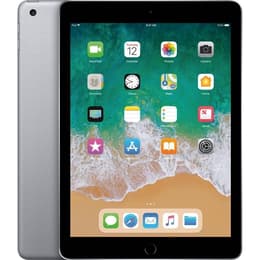
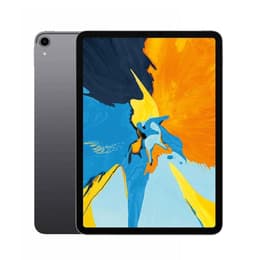
The iPad 2017, also known as the 5th generation iPad, was released in March 2017 as a more accessible tablet option. It features a traditional design and is powered by the A9 chip. In contrast, the iPad Pro 2018, launched in November 2018, represents a significant leap in design and performance, featuring an edge-to-edge display and the more advanced A12X Bionic chip. Both devices run on Apple's iPadOS, offering a consistent software experience, but they cater to different user needs through their distinct hardware capabilities and features.
Colour
Storage
When considering the practical lifespan of these two tablets, several factors come into play, including their release timelines, software support, and overall build.
Year of Release
Compatible with latest Update
OS
Maximum Operating System supported
The performance capabilities of these two iPads show a notable difference, primarily due to their respective processors and RAM configurations.
Processor
The display is a key differentiator between these two tablets, impacting visual experience and interaction.
Resolution
True Tone
Pro-Motion
Screen type
Pixel density
Brightness
Speakers
The camera systems on these two iPads reflect their different design philosophies and intended uses.
Beyond core specifications, several practical elements distinguish the iPad 2017 from the iPad Pro 2018.
Weight
Width
Height
Depth
Screen size (in)
Network
Carrier compatibility
Wi-Fi technology
Bluetooth Version
Face ID
Touch ID
Connector
The iPad 2017 and iPad Pro 2018 cater to distinct user needs, reflecting their different positions in Apple's tablet lineup. The iPad 2017 is often praised by users for its reliability for everyday tasks, media consumption, and general web browsing. Its traditional design and Touch ID are familiar features that many users appreciate for their simplicity and effectiveness. Criticisms often point to its non-laminated display, which can be reflective, and its less powerful processor compared to newer models, which may lead to slower performance with more demanding applications over time.
Conversely, the iPad Pro 2018 is highly regarded for its powerful performance, immersive Liquid Retina display with ProMotion, and modern design with Face ID and USB-C connectivity. Users frequently highlight its capability to handle intensive creative and productivity tasks, making it a strong contender for those seeking a more professional-grade tablet experience. Common criticisms include the removal of the headphone jack and the initial software limitations that didn't fully leverage its powerful hardware at launch. Some long-term users have also noted battery degradation and performance slowdowns when running very demanding applications after several years of use.
Users prioritizing a straightforward, dependable tablet for basic tasks, web browsing, and media consumption may find the iPad 2017 well-suited to their needs. Its established feature set and familiar interface offer a consistent experience. For individuals who require a tablet for more intensive work, creative projects, or who value a modern design with advanced display technology and robust performance, the iPad Pro 2018 is a more appropriate choice. It offers a more future-proof experience for power users and those who integrate their tablet into a professional workflow. Both models are available as quality-assured refurbished options, providing an eco-friendly alternative for consumers.