
Galaxy Tab S8 Ultra (14.6", 2022) Vs iPad 7 (2019, A10 series)

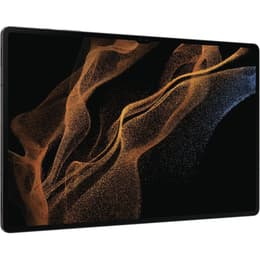
Galaxy Tab S8 Ultra (14.6", 2022)
Starting at

Refurbished price:£423.00

Versus £1,249.00 new

See options
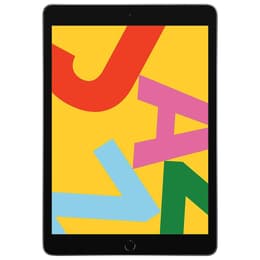
iPad 7 (2019, A10 series)
Starting at

Refurbished price:£78.00

Versus £349.00 new

See options

Ratings

The Samsung Galaxy Tab S8 Ultra, released in 2022, and the Apple iPad (7th Generation), launched in 2019, represent distinct approaches to the tablet experience. While both are designed for portable computing, they differ significantly in their operating systems, display technologies, and overall performance capabilities. The Tab S8 Ultra runs on Android, offering a large, expansive display, whereas the iPad operates on iPadOS, providing a more compact form factor with a focus on its established ecosystem.

Scores

Durability

When considering the long-term usability of these tablets, their release timelines and software support policies are key factors.

  • Release Timeline: The Galaxy Tab S8 Ultra was released in February 2022, making it a more recent device compared to the iPad (7th Generation), which launched in September 2019.
  • OS Support: Samsung has committed to providing four generations of Android OS upgrades and five years of security updates for the Galaxy Tab S8 Ultra, with support expected to continue until around 2027. The iPad (7th Generation) supports iPadOS versions up to 18.x, and Apple typically provides 5-6 years of major OS updates, suggesting support could extend to 2025 or 2026.
  • Repairability: The Galaxy Tab S8 Ultra has been noted to have a repairability score of approximately 5.5 out of 10, indicating a moderate level of ease for repairs. In contrast, the iPad (7th Generation) received a lower repairability score of 2 out of 10, suggesting that repairs can be more challenging.

Year of Release

2022

2019

Compatible with latest Update

Yes

Yes

OS

Android

iPadOS

Performance

The performance of a tablet directly impacts its responsiveness and ability to handle various tasks, from everyday browsing to demanding applications.

  • Processing Power: The Galaxy Tab S8 Ultra features a current-generation mobile processor, enabling it to handle demanding applications, complex multitasking, and graphic-intensive games smoothly. The iPad (7th Generation) is equipped with an older, yet capable, processor that performs well for general use, web browsing, and light productivity tasks, though it may show limitations with very intensive applications or extensive multitasking.
  • Memory and Storage: The Tab S8 Ultra offers various configurations with substantial RAM options (8GB, 12GB, or 16GB) and internal storage (128GB, 256GB, or 512GB), alongside a microSD card slot for expandable storage. The iPad (7th Generation) comes with 3GB of RAM and storage options of 32GB or 128GB, without the possibility of expandable storage.
  • Battery Behavior: The Galaxy Tab S8 Ultra houses a large 11,200 mAh battery, typically providing around 6 to 12 hours of screen-on time depending on usage. The iPad (7th Generation) includes an 8827 mAh battery, generally offering up to 10 hours of use for tasks like web surfing or video playback.

Memory (GB)

8 GB

3 GB

Screen quality

The display is a primary interface for any tablet, and these two devices offer distinct visual experiences.

  • Display Technology and Size: The Galaxy Tab S8 Ultra boasts a large 14.6-inch Super AMOLED display, known for its vibrant colors, deep blacks, and high contrast. The iPad (7th Generation) features a 10.2-inch Retina IPS LCD, which provides a sharp and clear viewing experience.
  • Resolution and Clarity: The Tab S8 Ultra offers a resolution of 1848 x 2960 pixels, resulting in a pixel density of approximately 240 ppi. The iPad (7th Generation) has a resolution of 1620 x 2160 pixels, with a pixel density of 264 ppi, contributing to its clear visuals.
  • Refresh Rate and Brightness: The Tab S8 Ultra features a 120Hz refresh rate, contributing to smoother scrolling and more fluid animations, along with HDR10+ support for enhanced dynamic range. The iPad (7th Generation) operates at a standard 60Hz refresh rate, and its display is noted for being bright and clear for typical indoor and outdoor use.

Resolution

1848 x 2960

2160 x 1620

Screen type

Super AMOLED

Retina display

Pixel density

240ppp

264ppp

Audiovisual

Camera capabilities and audio performance are important for communication, content creation, and media consumption on tablets.

  • Camera System: The Galaxy Tab S8 Ultra is equipped with a dual rear camera setup (13MP wide and 6MP ultrawide) and dual front cameras (12MP wide and 12MP ultrawide), with the front cameras supporting auto-framing for video calls. The iPad (7th Generation) includes an 8MP rear camera and a 1.2MP front-facing FaceTime HD camera.
  • Photography and Video: The Tab S8 Ultra's camera system is capable of capturing good quality shots and video, particularly excelling in video conferencing due to its dual front cameras and auto-framing feature. The iPad (7th Generation)'s cameras are suitable for video calls and casual photography, though the rear camera is not designed for high-quality, detailed photography.
  • Audio Experience: For audio, the Galaxy Tab S8 Ultra features quad speakers with Dolby Atmos support, providing a rich and clear sound experience for media consumption. The iPad (7th Generation) offers stereo speakers and dual microphones, delivering clear audio for calls and general media playback.

Miscellaneous

Beyond core specifications, several practical elements contribute to the overall user experience of these tablets.

  • Connectivity and Ports: The Galaxy Tab S8 Ultra supports modern connectivity standards including Wi-Fi 6E and Bluetooth 5.2, with options for 5G cellular connectivity, and features a USB-C 3.2 port. The iPad (7th Generation) uses Wi-Fi 802.11ac and Bluetooth 4.2, also offering an LTE cellular option, and connects via a Lightning port.
  • Biometric Security: The Tab S8 Ultra incorporates an in-display fingerprint sensor for secure unlocking and authentication. The iPad (7th Generation) utilizes a Touch ID fingerprint sensor integrated into its home button.
  • Design and Accessories: The Galaxy Tab S8 Ultra is notably thin at 5.5mm and weighs 726g, featuring an Armor Aluminum build for enhanced durability. It comes with an S Pen stylus included. The iPad (7th Generation) measures 250.6 x 174.1 x 7.5 mm and weighs between 483-493g, with an aluminum body. It supports the first-generation Apple Pencil and the Smart Keyboard, which are sold separately.

Weight

726 g

483 g

Screen size (in)

14.6

10.2

Network

Wi-Fi + 5G

Wi-Fi

Carrier compatibility

Unlocked

Without SIM Port

The Samsung Galaxy Tab S8 Ultra and the iPad (7th Generation) cater to different user needs and preferences, largely due to their distinct ecosystems and hardware capabilities.

Users often praise the Galaxy Tab S8 Ultra for its expansive and vibrant Super AMOLED display, powerful performance suitable for demanding tasks, and the included S Pen, which enhances productivity and creative workflows. Its desktop-like DeX mode is frequently highlighted as a benefit for multitasking. However, some users note that its large size can be unwieldy for casual handheld use, and the optimization of some Android apps for such a large screen can vary.

The iPad (7th Generation) is commonly lauded for its reliability, ease of use, and suitability for basic productivity, web browsing, and media consumption. Its consistent performance for everyday tasks and decent battery life are also frequently mentioned positives. Criticisms often revolve around its older processor, which can lead to occasional stutters with heavy use, and its more limited storage options.

Users prioritizing a large, immersive display for media consumption, advanced multitasking, or creative work with an included stylus may find the Galaxy Tab S8 Ultra well-suited to their needs. Conversely, individuals seeking a reliable, user-friendly tablet for general use, educational purposes, or those already invested in the Apple ecosystem might lean towards the iPad (7th Generation). Both devices offer a pathway to portable computing, and considering a quality-assured refurbished option for either can be an eco-friendly alternative.

See all articles

Our recent comparisons