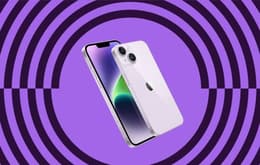
iPhone 14 Plus Vs iPhone 14 Pro

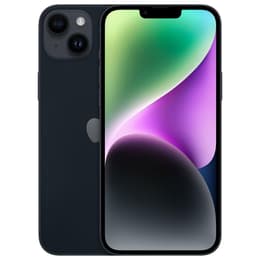
iPhone 14 Plus
iPhone 14 Plus
Starting at

Refurbished price:£238.00

Versus £699.00 new

See options
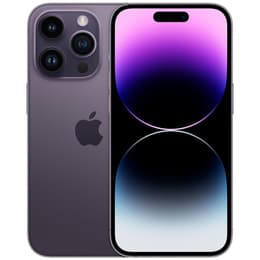
iPhone 14 Pro
iPhone 14 Pro
Starting at

Refurbished price:£304.00

Versus £1,099.00 new

See options

Ratings

The iPhone 14 Plus and iPhone 14 Pro, both released in 2022, represent distinct offerings within Apple's smartphone lineup. While they share the same operating system, iOS, and core functionalities, they cater to different user priorities through variations in display technology, camera capabilities, and overall performance. The iPhone 14 Plus emphasizes a larger screen and extended battery life, whereas the iPhone 14 Pro introduces advanced camera features, a more dynamic display, and a more powerful processor.

Scores

Durability

When considering the longevity of these devices, both the iPhone 14 Plus and iPhone 14 Pro offer a substantial lifespan, benefiting from Apple's consistent software support and durable construction.

  • Release Timeline and OS Support: Both models were released in 2022, with the iPhone 14 Pro launching in September and the iPhone 14 Plus in October. Apple typically provides major iOS updates for approximately five to seven years from a device's release. This means both the iPhone 14 Plus and iPhone 14 Pro are expected to receive software updates until around 2029-2030, ensuring access to new features and security patches for several years to come.
  • Repairability: Initially, the iPhone 14 series, including the Plus, received praise for improved hardware repairability due to easier access to internal components. However, iFixit later downgraded its repairability score from 7/10 to 4/10 for the iPhone 14 models, citing Apple's software restrictions that complicate repairs with non-authorized parts. This means while physical repairs might be feasible, software validation for replacement parts can be a hurdle.
  • Expected Practical Lifespan: Given the robust build quality, ongoing software support, and the availability of quality-assured refurbished options, both devices are designed for several years of reliable use. Users can expect these phones to remain functional and secure well into the future, even beyond the period of major iOS updates, thanks to continued security patches.

Year of Release

2022

2022

Compatible with latest Update

Yes

Yes

OS

iOS

iOS

Foldable

No

No

Performance

The performance of the iPhone 14 Plus and iPhone 14 Pro differs primarily due to their internal processing units, impacting how they handle demanding tasks and overall responsiveness.

  • Processor Capabilities: The iPhone 14 Plus is equipped with a powerful processor that handles everyday applications, multitasking, and most games smoothly. The iPhone 14 Pro, however, features a more advanced processor, providing a noticeable boost in performance for intensive tasks like high-fidelity gaming, professional-grade video editing, and complex augmented reality applications.
  • Battery Behavior: Despite the iPhone 14 Pro having a smaller battery capacity (3200 mAh) compared to the iPhone 14 Plus (4325 mAh), real-world battery performance can vary. The iPhone 14 Plus generally offers longer video playback times, making it suitable for users who prioritize extended media consumption. The iPhone 14 Pro's more efficient processor and adaptive refresh rate display help optimize its battery usage, but heavy use of its advanced features, like the Always-On display and ProMotion, can lead to more frequent charging for some users.
  • Overall System Responsiveness: Both phones offer a fluid user experience. However, the iPhone 14 Pro's more powerful processor and higher refresh rate display contribute to a slightly more immediate and responsive feel, particularly when navigating interfaces, scrolling through content, and launching applications. Both models come with 6GB of RAM, which supports efficient multitasking across various applications.

Memory (GB)

6 GB

6 GB

Screen quality

The display is a significant differentiator between the iPhone 14 Plus and iPhone 14 Pro, influencing visual experience and daily interaction.

  • Display Technology and Refresh Rate: Both devices feature Super Retina XDR OLED displays, offering deep blacks and vibrant colors. However, the iPhone 14 Plus has a standard 60Hz refresh rate, providing a smooth experience for most users. The iPhone 14 Pro elevates this with ProMotion technology, offering an adaptive refresh rate up to 120Hz. This results in noticeably smoother scrolling, more fluid animations, and a more responsive feel, especially for gaming and fast-paced content.
  • Brightness and Features: The iPhone 14 Pro boasts higher peak brightness levels, reaching up to 2000 nits for outdoor use and 1600 nits for HDR content, compared to the iPhone 14 Plus's 1200 nits peak HDR brightness. This makes the Pro model's screen more visible in bright sunlight. Additionally, the iPhone 14 Pro introduces the Always-On display feature and the Dynamic Island, a re-imagined notch that dynamically adapts to alerts, notifications, and activities. The iPhone 14 Plus retains the traditional notch and lacks an Always-On display.
  • Screen Size and Clarity: The iPhone 14 Plus features a larger 6.7-inch display, offering more screen real estate for media consumption and productivity. The iPhone 14 Pro has a 6.1-inch display. Both displays offer excellent clarity with similar pixel densities (around 458-460 ppi), ensuring sharp text and images.

Resolution

1284 x 2778

1179 x 2556

Screen type

Super Retina XDR OLED

LTPO Super Retina XDR OLED

Audiovisual

The camera systems are a primary area of distinction, with the iPhone 14 Pro offering a more versatile and advanced setup for photography and videography enthusiasts.

  • Main Camera System: The iPhone 14 Plus features a dual-camera system with a 12MP main sensor (f/1.5 aperture) and a 12MP ultra-wide sensor (f/2.4 aperture). The iPhone 14 Pro significantly upgrades this with a triple-camera system, including a 48MP main sensor (f/1.78 aperture), a 12MP ultra-wide sensor (f/2.2 aperture), and a 12MP 3x telephoto lens (f/2.8 aperture). The larger 48MP sensor on the Pro model allows for greater detail capture and improved low-light performance, often utilizing pixel binning to produce detailed 12MP photos.
  • Photography Features: Both models benefit from Apple's Photonic Engine for enhanced computational photography, improving image quality in mid-to-low light. However, the iPhone 14 Pro includes a LiDAR scanner for faster autofocus in low light and improved depth sensing for portrait mode. It also supports Apple ProRAW for professional-grade photo editing and ProRes video recording, features absent on the iPhone 14 Plus. The telephoto lens on the Pro provides optical zoom capabilities, which the Plus lacks, relying solely on digital zoom.
  • Video Recording and Audio: Both phones offer excellent video recording capabilities, including Cinematic mode up to 4K HDR at 30 fps. The iPhone 14 Pro adds Action mode for smoother handheld video and the ability to record ProRes video. Both devices provide high-quality stereo speakers for media consumption and clear microphone quality for calls and recordings.

Main camera

12 megapixels

48 megapixels

Front camera

12 megapixels

12 megapixels

Miscellaneous

Beyond the core features, several practical elements differentiate the iPhone 14 Plus and iPhone 14 Pro, impacting daily convenience and user experience.

  • Connectivity and Ports: Both models support 5G cellular connectivity and Wi-Fi 6 for fast wireless internet. They also feature Bluetooth 5.3 for connecting accessories. Both devices continue to use the Lightning port for charging and data transfer.
  • Sensors and Biometrics: Both the iPhone 14 Plus and iPhone 14 Pro utilize Face ID for secure facial recognition. The iPhone 14 Pro includes a LiDAR scanner, which enhances augmented reality experiences and improves autofocus in low-light photography. Both models also incorporate safety features like Crash Detection and Emergency SOS via Satellite.
  • Design and Build Materials: The iPhone 14 Plus features an aerospace-grade aluminum frame with a glass back, contributing to a lighter feel. The iPhone 14 Pro, on the other hand, uses a more premium surgical-grade stainless steel frame, which adds to its durability and weight. Both have a Ceramic Shield front cover for enhanced drop protection and IP68 water and dust resistance. The iPhone 14 Plus is physically larger with a 6.7-inch screen, while the iPhone 14 Pro has a 6.1-inch screen.

Weight

203 g

206 g

Screen size (in)

6.7

6.1

Mobile network

5G

5G

SIM card

Physical SIM + eSIM

Physical SIM + eSIM

Carrier compatibility

Unlocked

Unlocked

Connector

Lightning

Lightning

The iPhone 14 Plus and iPhone 14 Pro, while part of the same generation, cater to distinct user needs. User feedback often praises the iPhone 14 Plus for its impressive battery life and large display, making it a strong contender for those who prioritize extended usage and immersive viewing experiences without needing the most advanced camera features. Some users, however, note the 60Hz display as a point of criticism, especially when compared to other devices in its class.

Conversely, the iPhone 14 Pro is frequently lauded for its sophisticated camera system, including the 48MP main sensor and telephoto lens, as well as its ProMotion display and the innovative Dynamic Island. Common criticisms sometimes point to its smaller screen size compared to the Plus model, and for some, the advanced features might be considered overkill for everyday use.

For users who prioritize a large display and exceptional battery longevity for daily tasks, media consumption, and casual photography, the iPhone 14 Plus is a well-suited choice. Its robust performance handles most applications with ease. For those who demand the highest level of photographic and videographic capability, a smoother and more interactive display experience, and the latest processing power for demanding applications, the iPhone 14 Pro stands out. It offers a more compact form factor with cutting-edge features.

Ultimately, the decision hinges on individual priorities. Both models offer a reliable and feature-rich smartphone experience. Exploring quality-assured refurbished options for either device can provide an eco-friendly alternative, allowing users to enjoy these advanced technologies while making a sustainable choice.


See all articles

Our recent comparisons