
iPhones
Compare models
Differences at a glance
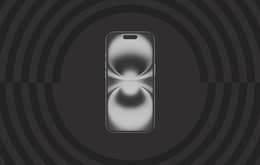
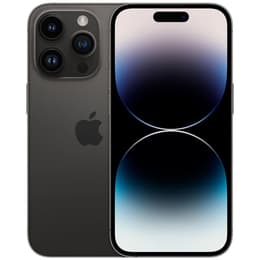
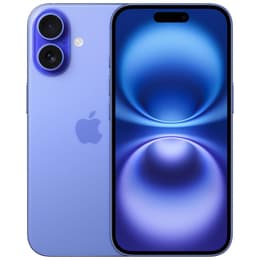
The iPhone 14 Pro (2022) and the iPhone 16 (2024) represent two distinct approaches to the modern smartphone experience. While the iPhone 14 Pro was launched as a high-end flagship with advanced display and camera technologies, the iPhone 16 arrives as a current-generation standard model that integrates the latest connectivity standards and physical interface updates. Both devices run the latest iOS software, though the newer model is built to support upcoming system-wide intelligence features more deeply. Choosing between them involves weighing the benefits of professional-grade hardware against the advantages of more recent internal architecture and physical design refinements.
Colour
Storage
The two-year gap between these releases significantly influences their long-term software support and physical maintenance expectations.
Year of Release
Compatible with latest Update
Foldable
While both devices handle everyday tasks with ease, they are optimised for different types of high-demand usage scenarios.
The display technologies used in these models offer a clear choice between fluid motion and standard viewing experiences.
Resolution
Screen type
Photography enthusiasts will notice a significant difference in the versatility of the lens systems provided by each device.
Main camera
Front camera
Physical changes in ports and buttons represent the most practical differences for users transitioning from older hardware.
Weight
Screen size (in)
Mobile network
SIM card
Carrier compatibility
Connector
Public sentiment on forums like Reddit suggests that the iPhone 14 Pro remains a favourite for those who value the smooth 120Hz display and the versatility of a dedicated zoom lens. Many users report that the stainless steel build feels substantial and durable. Conversely, the iPhone 16 is praised for its lighter weight, the convenience of the USB-C port, and the new physical buttons that make the camera more accessible. Some users express concern over the 14 Pro's older port type, while others find the 16's standard refresh rate to be a noticeable step back from the Pro experience.
Users prioritising professional photography and a high-end display experience may prefer the iPhone 14 Pro, as its telephoto lens and fluid screen remain highly competitive. Those who prioritise the latest connectivity standards, a lighter device, and a longer software support window will likely lean toward the iPhone 16. Choosing a quality-assured refurbished option is an eco-friendly alternative that allows users to access these advanced features while supporting a more sustainable electronics cycle. Ultimately, the decision rests on whether you value the specialised hardware of a former flagship or the modern refinements and longevity of the latest standard model.