iPhones
Compare models
Differences at a glance
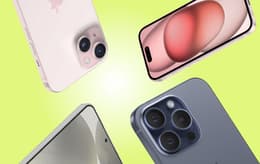
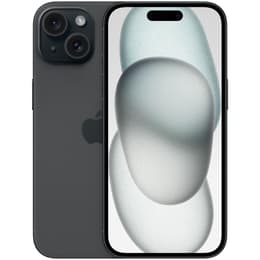
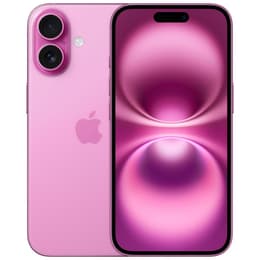
The iPhone 15, released in 2023, and the iPhone 16, launched in 2024, represent two consecutive generations of Apple's standard smartphone lineup. While they share a similar aesthetic and core philosophy, the transition from the 15 to the 16 introduced notable changes in physical controls and internal capabilities. Both devices run on the iOS platform, ensuring a familiar user experience, yet the iPhone 16 is designed to support a newer tier of software features that require more robust hardware resources.
Choosing between these two models involves weighing the importance of the latest physical interface updates against a more established design. The iPhone 15 brought the significant shift to USB-C and the Dynamic Island, while the iPhone 16 builds upon that foundation with dedicated hardware buttons for shortcuts and photography. This comparison explores how these differences impact daily use for professionals, students, and casual users alike.
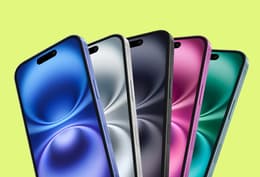
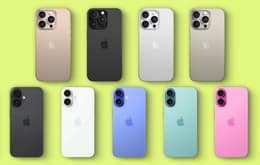
Colour
Storage
Both the iPhone 15 and iPhone 16 are built with longevity in mind, featuring durable aluminium frames and glass backs, though their software support timelines differ due to their respective release years.
Year of Release
Compatible with latest Update
Foldable
While both smartphones provide a fluid experience for everyday tasks, the iPhone 16 is equipped with more advanced internals to handle the next generation of mobile computing requirements.
The display technology remains consistent across both generations, offering a high-quality visual experience with deep blacks and accurate colours.
Resolution
Screen type
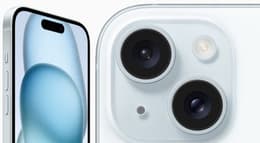
The camera systems on these two devices offer versatile photography options, but the iPhone 16 introduces new hardware and layout changes that expand creative possibilities.
Main camera
Front camera
Physical interface changes and connectivity standards represent the most practical differences in how these two devices are handled daily.
Weight
Screen size (in)
Mobile network
SIM card
Carrier compatibility
Connector
In summary, the iPhone 15 and iPhone 16 are both highly capable smartphones that serve different user priorities. According to user discussions and reviews, the iPhone 15 is frequently praised for its reliable performance and the successful integration of the Dynamic Island and USB-C. Some users note that it remains a very modern-feeling device even a few years after its release. On the other hand, the iPhone 16 receives positive feedback for its new physical buttons, particularly the Action Button, which users find helpful for productivity. However, some find the new Camera Control button requires a period of adjustment to use effectively.
Users who prioritise a straightforward, high-quality smartphone experience for standard daily tasks may find the iPhone 15 perfectly suited to their needs. Conversely, users who are interested in the latest software capabilities, macro photography, and more customisable physical controls will likely lean toward the iPhone 16. Choosing a quality-assured refurbished option for either model is an excellent way to acquire these technologies while making a sustainable choice. Ultimately, the decision rests on whether the additional hardware features of the iPhone 16 align with your specific usage habits, or if the established features of the iPhone 15 provide everything you require in an eco-friendly alternative.