
Google Pixel 9 Pro Vs iPhone 14

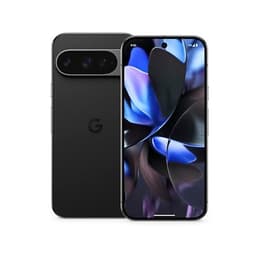
Google Pixel 9 Pro
Google Pixel 9 Pro
Starting at

Refurbished price:£395.25

Versus £917.17 new

See options
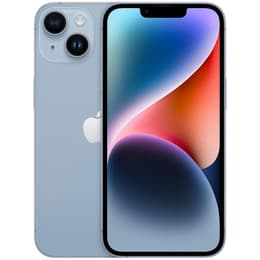
iPhone 14
iPhone 14
Starting at

Refurbished price:£232.00

Versus £599.00 new

See options

Ratings

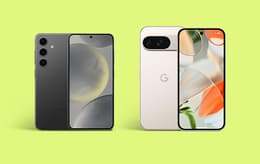
The Google Pixel 9 Pro (2024) and the iPhone 14 (2022) represent two different eras of smartphone development, catering to distinct user preferences within the Android and iOS ecosystems. While the Pixel 9 Pro is a more recent release focusing on integrated artificial intelligence and advanced photography, the iPhone 14 remains a popular choice for those seeking a reliable, straightforward experience. This comparison explores how these two devices handle daily tasks, longevity, and media consumption to help you decide which aligns better with your specific mobile needs.

Scores

Durability

The two-year gap between these devices significantly impacts their expected software support and physical resilience over time.

  • Software Longevity: The Pixel 9 Pro comes with a commitment for seven years of operating system and security updates, potentially keeping the device current until 2031. In contrast, the iPhone 14, released in 2022, typically receives around six years of support, meaning its update cycle may conclude sooner.
  • Physical Build and Repair: Both manufacturers have made strides in making these devices more serviceable for long-term use. Choosing a quality-assured refurbished option for either model can further extend the functional life of these materials while supporting a circular economy.
  • Environmental Resistance: Both phones feature high-grade water and dust resistance, though the Pixel 9 Pro uses more recent glass technology designed to better withstand scratches and minor impacts during daily handling compared to the older standards on the iPhone 14.

Year of Release

2024

2022

Compatible with latest Update

Yes

Yes

OS

Android

iOS

Foldable

No

No

Performance

While both devices manage everyday applications with ease, their internal configurations prioritise different aspects of the user experience and multitasking.

  • System Responsiveness: The Pixel 9 Pro is equipped with a high amount of memory specifically to handle complex background tasks and on-device intelligence features, ensuring that multitasking remains fluid. The iPhone 14 uses a highly efficient architecture that allows it to maintain smooth performance in apps and games, even with less physical memory.
  • Battery Behaviour: In typical use cases, the Pixel 9 Pro is designed to last through a full day of heavy activity, including navigation and photography. The iPhone 14 offers consistent battery life for standard tasks like messaging and browsing, though power users may find themselves needing to charge more frequently by the evening.
  • Storage Flexibility: Both models offer various internal storage capacities, allowing users to choose based on their needs for local file saving versus reliance on cloud services for photos and documents.

Memory (GB)

16 GB

6 GB

Screen quality

The viewing experience differs notably between these two handsets, particularly regarding the fluidity of motion and visibility in bright environments.

  • Display Technology: The Pixel 9 Pro utilises an advanced OLED panel with a variable refresh rate that can reach 120Hz. This results in much smoother scrolling and animations compared to the iPhone 14, which uses a standard 60Hz OLED display that may appear less fluid during fast-paced tasks.
  • Brightness and Clarity: For users who frequently use their phones in direct sunlight, the Pixel 9 Pro offers significantly higher peak brightness levels, making the screen easier to read outdoors. The iPhone 14 provides excellent colour accuracy and sharp text, which is well-suited for indoor media consumption and social media.
  • Screen Real Estate: The Pixel 9 Pro features a modern design with very thin borders, providing a more immersive feel for video content than the iPhone 14, which retains a traditional notch at the top of the display for its camera sensors.

Resolution

1280 x 2856

1170 x 2532

Screen type

LTPO OLED

Super Retina XDR OLED

Audiovisual

Photography and video capabilities are where the generational gap between these two smartphones becomes most apparent for the average user.

  • Camera Versatility: The Pixel 9 Pro features a triple-lens system, including a dedicated telephoto lens for high-quality zoomed images. The iPhone 14 relies on a dual-lens setup, which performs admirably for standard and wide-angle shots but lacks the optical reach for distant subjects.
  • Image Processing: Google’s approach focuses on computational photography, often producing images with high dynamic range and impressive low-light detail. Apple’s processing on the iPhone 14 leans towards natural skin tones and consistent exposure across different lighting conditions, which many users find more realistic.
  • Video and Audio: The iPhone 14 is widely recognised for its stable video recording and clear microphone pickup, making it a reliable tool for casual creators. The Pixel 9 Pro counters with advanced software tools that can enhance video clarity and isolate voices in noisy environments after the footage is recorded.

Main camera

50 megapixels

12 megapixels

Front camera

42 megapixels

12 megapixels

Miscellaneous

Practical considerations such as connectivity standards and physical handling play a large role in the long-term satisfaction with a mobile device.

  • Connectivity Standards: The Pixel 9 Pro supports the latest Wi-Fi and Bluetooth standards, offering faster potential speeds and more stable connections in crowded areas. The iPhone 14 uses slightly older but still very capable wireless technology that meets the needs of most home and office environments.
  • Physical Ports: A major difference lies in the charging port; the Pixel 9 Pro uses the universal USB-C standard, while the iPhone 14 uses the proprietary Lightning connector. This may influence your choice based on the cables and accessories you already own.
  • Security and Weight: The iPhone 14 relies on facial recognition for secure access, which is fast and reliable. The Pixel 9 Pro offers both facial recognition and an under-display fingerprint sensor, providing more flexibility in how you unlock the device depending on your preference.

Weight

199 g

172 g

Screen size (in)

6.3

6.1

Mobile network

5G

5G

SIM card

Physical SIM + eSIM

Physical SIM + eSIM

Carrier compatibility

Unlocked

Unlocked

Connector

USB-C

Lightning

User consensus on community forums suggests that the Google Pixel 9 Pro is highly valued for its class-leading still photography and the helpfulness of its integrated software features. Some users, however, have noted that the device can feel slightly larger in the hand due to its more robust camera housing. The iPhone 14 is frequently praised for its simplicity, the reliability of the iOS ecosystem, and its comfortable, lightweight design. Common criticisms for the iPhone 14 often centre on the lack of a high refresh rate screen, which some users feel makes the interface seem less modern compared to newer competitors.

Users who prioritise having the latest camera technology, a highly fluid screen, and a long window of software support will likely find the Pixel 9 Pro to be the more suitable choice for their needs. Conversely, users who prefer a lighter device, a straightforward user interface, and a proven track record of hardware stability may lean toward the iPhone 14. For those looking to make a more sustainable choice, selecting a quality-assured refurbished version of either phone is an eco-friendly alternative that ensures the device has been thoroughly tested for performance. Ultimately, the decision rests on whether you value the cutting-edge features of a newer release or the established consistency of a classic model.
See all articles

Our recent comparisons