Galaxy Z Fold7 Vs iPhone 14 Pro Max

Galaxy Z Fold7
Galaxy Z Fold7
Starting at

Refurbished price:£916.00

Versus £1,799.00 new

See options
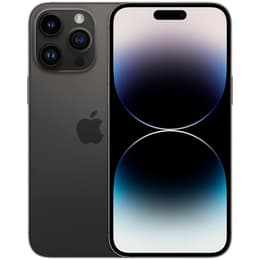
iPhone 14 Pro Max
iPhone 14 Pro Max
Starting at

Refurbished price:£327.00

Versus £1,199.00 new

See options

Ratings

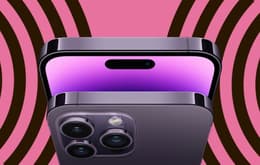
The Samsung Galaxy Z Fold7 (2025) and the Apple iPhone 14 Pro Max (2022) represent two distinct approaches to high-end mobile technology. While the Galaxy Z Fold7 is a cutting-edge foldable device that transforms from a phone into an expansive, tablet-sized workspace, the iPhone 14 Pro Max remains a powerful example of the traditional smartphone design. Operating on Android and iOS respectively, these devices cater to different user habits, with the Samsung focusing on versatile multitasking and the Apple offering a refined, familiar ecosystem experience.

Scores

Durability

The Galaxy Z Fold7 and iPhone 14 Pro Max offer different expectations regarding how long they will remain functional and up-to-date based on their release timelines.

  • Software Support: The Galaxy Z Fold7, being a much newer release from 2025, is expected to receive security and operating system updates well into the early 2030s. In contrast, the iPhone 14 Pro Max, launched in 2022, typically receives updates for six to seven years, meaning its support window may conclude sooner.
  • Physical Construction: The iPhone 14 Pro Max uses a rigid stainless steel frame and glass design, which is well-understood for long-term durability. The Galaxy Z Fold7 features a complex hinge mechanism and a flexible internal screen; while engineering has improved, the moving parts introduce different maintenance considerations over several years of use.
  • Repairability: Both manufacturers have made strides in offering repair programmes, though the intricate nature of foldable screens often makes them more complex to service compared to the standard display of the iPhone.

Year of Release

2025

2022

Compatible with latest Update

Yes

Yes

OS

Android

iOS

Foldable

Yes

No

Performance

Performance on both devices remains high, though they are optimised for different types of productivity and daily use cases.

  • Multitasking Capabilities: The Galaxy Z Fold7 is designed for heavy multitasking, allowing users to run three or more apps simultaneously on its large internal screen without lag. The iPhone 14 Pro Max provides a smooth, responsive experience for switching between apps, though it is limited to one active app window at a time.
  • System Responsiveness: Both devices handle demanding tasks like high-definition video editing and intensive gaming with ease. The iPhone 14 Pro Max is known for its consistent fluid animations, while the Galaxy Z Fold7 benefits from more modern internal hardware that ensures longevity for future, more demanding software.
  • Battery and Storage: Users will find substantial storage options on both, ranging from standard capacities to expansive internal drives. The iPhone 14 Pro Max is frequently noted for its efficient power management during long days of travel, whereas the Galaxy Z Fold7 battery life varies depending on how often the larger internal display is utilised.

Memory (GB)

12 GB

6 GB

Screen quality

The significant difference between these two smartphones lies in their display technology and how users interact with visual content.

  • Display Versatility: The Galaxy Z Fold7 features a dual-screen setup, including a standard outer display and an expansive, folding inner screen that provides a tablet-like experience for reading or watching videos. The iPhone 14 Pro Max uses a single, high-quality 6.7-inch OLED panel that offers high brightness and colour accuracy for outdoor viewing.
  • Visual Smoothness: Both devices utilise high refresh rate technology, which makes scrolling through social media feeds or navigating menus feel highly fluid. The iPhone Dynamic Island integrates software notifications into the screen cutout, while the Galaxy focuses on maximising screen real estate with a nearly invisible camera under the main display.
  • Clarity and Detail: Each phone provides sharp, clear images with deep blacks and vibrant colours. The iPhone 14 Pro Max is often preferred by those who want a traditional, reliable viewing experience, while the Galaxy Z Fold7 appeals to those who need more space for documents or immersive media.

Resolution

1968 x 2184

1290 x 2796

Audiovisual

Photography and media consumption are central to both devices, though their hardware configurations offer different advantages for creators.

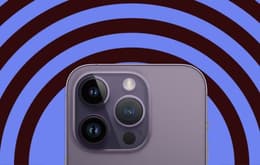
  • Camera Versatility: The iPhone 14 Pro Max is equipped with a sophisticated triple-lens system that is highly regarded for its natural colour reproduction and consistent performance in low-light environments. The Galaxy Z Fold7 also features a versatile camera array, including a capable zoom lens, and offers unique shooting modes enabled by its folding design, such as using the device as its own tripod.
  • Video Recording: For users who record a lot of video, the iPhone 14 Pro Max provides highly stable footage and professional-grade features that simplify the editing process. The Galaxy Z Fold7 offers high-resolution recording and the ability to preview shots on a much larger screen while filming.
  • Audio Experience: Both smartphones feature stereo speakers that produce clear audio for music and calls. The iPhone speakers are often noted for their depth, while the Galaxy Z Fold7 provides a wider soundstage when the device is fully unfolded in landscape mode.

Miscellaneous

Practical features like port types and biometric security play a significant role in the user daily interaction with these devices.

  • Connectivity and Ports: The Galaxy Z Fold7 uses a universal USB-C port for charging and data transfer, which is compatible with a wide range of modern accessories. The iPhone 14 Pro Max utilises the Lightning port, which may require specific cables for those transitioning from other modern electronics. Both support 5G for fast mobile data.
  • Biometrics and Security: Apple uses facial recognition technology for secure unlocking, which is integrated into the screen top section. Samsung provides a fingerprint sensor typically located on the power button, allowing for quick access whether the device is folded or open.
  • Weight and Ergonomics: The iPhone 14 Pro Max is a heavy, wide device that may require two hands for some users. The Galaxy Z Fold7 is narrower when closed, making it easier to grip, but it is thicker and heavier overall due to its folding hinge and dual-screen construction.

Weight

187 g

120 g

Screen size (in)

8

6.7

Mobile network

5G

5G

SIM card

Dual Physical SIM + eSIM

Physical SIM + eSIM

Carrier compatibility

Unlocked

Unlocked

Connector

USB-C

Lightning

Choosing between the Galaxy Z Fold7 and the iPhone 14 Pro Max often comes down to a preference for innovation versus refinement. User consensus on community forums frequently highlights the iPhone 14 Pro Max as a reliable workhorse known for its high battery life and consistent camera system. Conversely, the Galaxy Z Fold7 is praised by tech enthusiasts and professionals for its ability to replace a tablet, though some users express caution regarding the long-term maintenance of the folding screen.

Users who prioritise a traditional, durable design with a straightforward user interface and long-lasting battery will likely find the iPhone 14 Pro Max well-suited to their needs. Those who require expansive screen space for multitasking, document editing, or immersive media consumption may prefer the Galaxy Z Fold7. For those looking to make a sustainable choice, choosing a quality-assured refurbished option for either model is an eco-friendly alternative that reduces electronic waste. Ultimately, both devices offer high-end experiences tailored to different lifestyles, and opting for a refurbished model ensures a high-quality experience while supporting environmental goals.


See all articles

Our recent comparisons