iPhones
Compare models
Differences at a glance
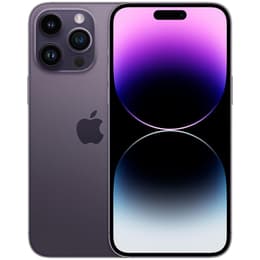
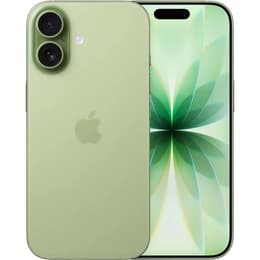
The iPhone 14 Pro Max, released in 2022, and the iPhone 17, launched in 2025, represent two different eras of smartphone design and capability. While the iPhone 14 Pro Max was the pinnacle of its generation with a large display and professional-grade features, the iPhone 17 brings modern standards like universal connectivity and high-refresh-rate screens to the standard lineup. Both devices operate on the iOS ecosystem, though the iPhone 17 benefits from a longer future of software updates and newer system-level features.
Colour
Storage
The age gap between these two models significantly impacts their expected lifespan and software support, as the iPhone 14 Pro Max is a well-established device while the iPhone 17 is at the beginning of its lifecycle.
Year of Release
Compatible with latest Update
OS
Foldable
In daily use, both smartphones provide a responsive experience, though they handle demanding tasks with different levels of efficiency due to the generational gap in their internal architecture.
The display experience is one of the most noticeable differences between these two models, primarily due to the physical size and the evolution of screen technology for standard models.
Resolution
Screen type
The camera systems reflect a trade-off between specialised hardware and modern software processing, with the older flagship retaining a hardware advantage in specific scenarios.
Main camera
Front camera
Practical daily interactions are shaped by the physical ports and connectivity standards found on each device, with the transition to a universal charging standard being a major factor.
Weight
Screen size (in)
Mobile network
SIM card
Carrier compatibility
Connector
User feedback on community forums highlights distinct preferences for each model. The iPhone 14 Pro Max is frequently praised for its exceptional battery life and the versatility of its triple-camera system, particularly the dedicated zoom lens. However, some users find its weight and the older Lightning port to be drawbacks in a modern context. Conversely, the iPhone 17 receives positive marks for its lighter weight, the convenience of USB-C, and the inclusion of a smooth 120Hz display on a standard model, though some miss the dedicated telephoto hardware.
Users who prioritise a massive screen for watching videos and a dedicated zoom lens for photography will find the iPhone 14 Pro Max aligns well with their needs. Those who value portability, the latest connectivity standards, and a longer window of software support may find the iPhone 17 to be a more practical choice. For individuals seeking a sustainable choice, an eco-friendly alternative like a quality-assured refurbished device offers a way to access these high-end features while reducing electronic waste. Ultimately, the decision rests on whether one values the specialised hardware of an older flagship or the modern refinements of a newer standard model.