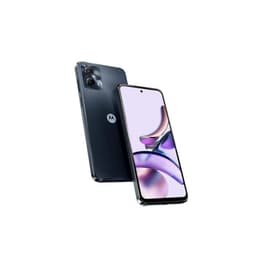

Galaxy S21 5G Vs Motorola Moto G13

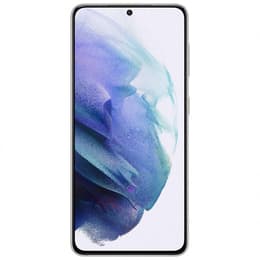
Galaxy S21 5G
Galaxy S21 5G
Starting at

Refurbished price:£128.00

Versus £829.00 new

See options
Motorola Moto G13
Motorola Moto G13
Starting at

Refurbished price:£99.00

Versus £166.76 new

See options

Ratings

The Samsung Galaxy S21 5G (2021) and the Motorola Moto G13 (2023) are smartphones designed for different user priorities. The Galaxy S21 was launched as a high-end device focusing on a compact form factor and advanced photography, while the Moto G13 arrived later as an entry-level option prioritising battery life and a large display. Both run Android, but the Samsung offers a more feature-rich software experience. For those seeking a sustainable choice, both models are available as quality-assured refurbished options, providing a reliable way to access modern technology.

Scores

Durability

The age and build quality of these two devices significantly influence their expected lifespan and how they handle daily wear.

  • Software support and longevity: The Galaxy S21 5G, despite being older, benefits from a comprehensive update policy that ensures it receives security patches and operating system upgrades for a longer period than many standard devices. In contrast, the Moto G13 has a more limited update schedule, which may affect its long-term compatibility with new apps.
  • Physical resilience: Featuring a front made of toughened glass and a frame built for stability, the Galaxy S21 is designed to resist scratches and accidental drops effectively. It also carries a high rating for water and dust resistance. The Moto G13 uses a durable plastic construction that is lighter and less prone to shattering, though it only offers basic protection against light rain or splashes.
  • Maintenance and repair: Both devices are designed with standard internal layouts, but the Galaxy S21's more intricate assembly means that screen or battery replacements are best handled by professionals to maintain its water-resistant seal.

Year of Release

2021

2023

Compatible with latest Update

Yes

No

OS

Android

Android

Foldable

No

No

Performance

Everyday responsiveness and the ability to handle multiple tasks vary between these two models due to their different internal hardware configurations.

  • Daily multitasking: The Galaxy S21 5G provides a very smooth experience when switching between demanding applications, such as navigation, social media, and photo editing, thanks to its higher memory capacity. The Moto G13 is well-suited for lighter daily use, though users may notice slight pauses when opening large files or running several apps simultaneously.
  • Gaming and heavy apps: For users who enjoy mobile gaming or using creative tools, the Galaxy S21 offers the processing power needed for high frame rates and fast rendering. The Moto G13 handles casual games and standard productivity tools efficiently but may struggle with the most graphically intensive software.
  • Storage and efficiency: With larger internal storage options, the Galaxy S21 allows users to keep more high-resolution videos and apps locally. The Moto G13 provides sufficient space for essential apps and photos, often including a slot for expandable storage, which is useful for those who prefer to keep their media on a separate card.

Memory (GB)

8 GB

4 GB

Screen quality

The viewing experience is one of the most noticeable differences, as the two phones use different technologies to display content.

  • Visual clarity and colour: The Galaxy S21 features an advanced display that produces deep blacks and highly accurate colours, making it ideal for watching high-quality films or editing photos. The Moto G13 uses a standard liquid crystal display that provides natural-looking images and good viewing angles, though it lacks the intense contrast and vibrancy found on the Samsung.
  • Smoothness of motion: Scrolling through news feeds or playing games feels more fluid on the Galaxy S21 because the screen updates the image more frequently every second. The Moto G13 also offers a smoother-than-average experience compared to basic screens, but it does not quite match the seamless transitions of the flagship model.
  • Outdoor use and size: The Galaxy S21 is designed to remain legible even under bright sunlight, whereas the Moto G13's screen is larger, offering more space for reading text or watching videos, though it may be harder to see in direct outdoor glare.

Resolution

1080 x 2400

720 x 1600

Screen type

Dynamic AMOLED 2X

IPS LCD

Audiovisual

Camera capabilities and media playback are areas where these devices cater to very different user needs.

  • Photography versatility: The Galaxy S21 5G is equipped with a triple-camera system that includes a dedicated lens for zooming into distant subjects without losing detail. The Moto G13 features a high-resolution main camera that takes clear photos in daylight, supported by specialised lenses for close-up shots and creating a blurred background effect in portraits.
  • Video recording quality: Users who record a lot of video will find the Galaxy S21 more capable, as it supports extremely high-definition recording and advanced stabilisation to keep footage steady. The Moto G13 records standard high-definition video which is perfectly adequate for social media and personal memories but lacks professional-grade stability.
  • Audio and media: The Galaxy S21 provides a balanced sound through its dual-speaker system, enhancing the experience of watching videos without headphones. The Moto G13 includes a single speaker that is clear for voice calls and also retains a traditional headphone jack, allowing users to connect wired earphones without an adapter.

Main camera

12 megapixels

50 megapixels

Front camera

10 megapixels

8 megapixels

Miscellaneous

Practical design choices and connectivity features impact how these phones fit into a user's daily routine and physical handling.

  • Network and connectivity: The Galaxy S21 supports the latest high-speed 5G networks, ensuring faster download speeds in areas with coverage. The Moto G13 operates on 4G networks, which remain reliable and widely available for standard browsing and streaming needs.
  • Biometrics and security: For quick and secure access, the Galaxy S21 uses a sensor located under the glass of the display. The Moto G13 places its fingerprint sensor on the side of the device, integrated into the power button, which many users find to be a natural and responsive position for unlocking the phone.
  • Handling and build: The Galaxy S21 is a more compact device, making it comfortable for one-handed use and easy to fit into smaller pockets. The Moto G13 is larger and slightly heavier, which provides a more substantial feel and a bigger canvas for media, though it may require two hands for some tasks.

Weight

169 g

183 g

Screen size (in)

6.2

6.5

Mobile network

5G

4G

SIM card

Dual Physical SIM + eSIM

Dual Physical SIM

Carrier compatibility

Unlocked

Unlocked

Based on community discussions and user reviews, the Samsung Galaxy S21 5G is frequently praised for its premium feel, excellent camera system, and compact size, though some users have noted that the battery requires careful management during heavy use. The Motorola Moto G13 receives positive feedback for its impressive battery endurance and the practical inclusion of a headphone jack, while some users mention that the screen resolution is less sharp than they expected. Consensus suggests that the Galaxy S21 remains a highly capable device for those who want advanced features, while the Moto G13 is a dependable choice for straightforward, everyday utility.

Users who prioritise high-quality photography, fast performance for gaming, and a vibrant, smooth display will likely find the Galaxy S21 5G better suited to their lifestyle. On the other hand, users who value a larger screen for reading, a battery that can comfortably last through a long day, and the ability to use wired headphones may prefer the Moto G13. Choosing an eco-friendly alternative like a refurbished device is a responsible way to acquire either of these smartphones while supporting a more circular economy. Ultimately, both phones offer reliable performance, and the best choice depends on whether you need the advanced capabilities of a former flagship or the simple, long-lasting nature of a modern essential device.


See all articles

Our recent comparisons