
Google Pixel 7 Vs iPhone 13

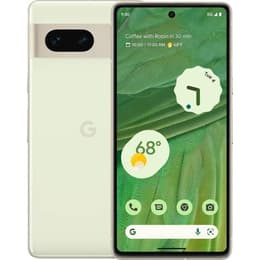
Google Pixel 7
Google Pixel 7
Starting at

£135.75

£756.00 new

See options
iPhone 13
iPhone 13
Starting at

£188.00

£599.00 new

See options

Ratings

The Google Pixel 7, released in 2022, and the iPhone 13, launched in 2021, are two prominent smartphones that cater to different user preferences within the Android and iOS ecosystems. While the Pixel 7 focuses on intelligent software features and a distinct camera design, the iPhone 13 emphasises consistent performance and deep integration with other Apple services. Choosing between these two devices often comes down to whether a user prefers the customisable nature of Google’s software or the streamlined, long-term reliability associated with Apple’s hardware.

Scores

Durability

The Google Pixel 7 and iPhone 13 offer different trajectories for software support and physical longevity based on their respective release dates and manufacturer policies.

  • Software Longevity: The iPhone 13 typically receives operating system updates for six to seven years from its launch, providing a long functional life for users who plan to keep their device for several years. The Pixel 7 offers three years of major system updates and five years of security patches, ensuring it remains protected and functional through 2027.
  • Repairability and Build: Both phones feature glass and aluminium constructions that require careful handling, though they are rated for high water and dust resistance. Choosing a quality-assured refurbished option can be a sustainable way to extend the lifecycle of these devices while ensuring they have been tested for full functionality.
  • Physical Resilience: The iPhone 13 uses a specialised glass ceramic on the front for drop protection, while the Pixel 7 employs a high-strength glass that resists scratches and daily wear effectively.

Year of Release

2022

2021

Compatible with latest Update

Yes

Yes

OS

Android

iOS

Foldable

No

No

Performance

In everyday use, both the Google Pixel 7 and the iPhone 13 provide responsive experiences, though they handle tasks with different technical priorities.

  • System Responsiveness: The Pixel 7 excels at intelligent tasks such as real-time voice transcription and automated call screening, making it feel highly proactive for productivity. The iPhone 13 is known for its sustained speed, handling demanding video editing apps and high-end mobile games with consistent smoothness even as the device ages.
  • Multitasking Capabilities: With a higher amount of temporary memory, the Pixel 7 allows users to keep more apps open in the background without them refreshing. The iPhone 13 manages its resources efficiently, ensuring that transitions between core applications remain fluid and lag-free for the user.
  • Battery and Charging: Both devices are designed to last through a standard day of mixed usage, including web browsing and social media. The Pixel 7 uses a universal USB-C port for charging, while the iPhone 13 relies on the proprietary Lightning connector.

Memory

8 GB

4 GB

Screen quality

The visual experience on these two smartphones differs primarily in terms of size and the smoothness of motion on the display.

  • Display Fluidity: The Pixel 7 features a screen that can refresh up to 90 times per second, which results in smoother scrolling and more fluid animations compared to the standard 60-cycle refresh rate on the iPhone 13. This difference is most noticeable when navigating through long menus or system interfaces.
  • Clarity and Technology: Both devices utilise OLED technology, which provides deep black levels and high contrast for watching movies or viewing photos. The iPhone 13 offers a slightly smaller 6.1-inch screen that is easy to use with one hand, whereas the Pixel 7 provides a larger 6.3-inch canvas for those who prefer more space for media.
  • Outdoor Visibility: Each phone is capable of reaching high brightness levels, making the screens legible even under direct sunlight, though the Pixel 7 has a slightly higher peak brightness for extreme outdoor conditions.

Resolution

1080 x 2400

1170 x 2532

Screen type

AMOLED

Super Retina XDR OLED

Audiovisual

Photography is a major focus for both devices, with the Pixel 7 leaning into software-driven enhancements and the iPhone 13 focusing on natural rendering and video stability.

  • Still Photography: The Pixel 7 is widely recognised for its ability to capture high-contrast, detailed photos with excellent skin tone accuracy. Its software features allow users to remove unwanted objects from the background or sharpen slightly blurry faces after the photo has been taken.
  • Video Capabilities: The iPhone 13 is often preferred by mobile videographers due to its stable recording and the inclusion of a cinematic mode that adds a professional-looking blur to the background of videos. It captures natural colours and handles transitions between light and dark environments very smoothly.
  • Low-Light Performance: Both smartphones perform well in dark settings, using long-exposure modes to pull detail out of the shadows. The Pixel 7 often produces brighter night shots, while the iPhone 13 maintains a more realistic look that preserves the atmosphere of the original scene.

Main camera

50 megapixels

12 megapixels

Front camera

10.8 megapixels

12 megapixels

Miscellaneous

Beyond the core specs, the physical design and connectivity options of the Google Pixel 7 and iPhone 13 influence how they feel in daily operation.

  • Biometric Security: The iPhone 13 relies exclusively on facial recognition, which is highly secure and works well in most lighting conditions. The Pixel 7 offers both an under-display fingerprint sensor and facial recognition, giving users more flexibility in how they unlock their device.
  • Connectivity and Ports: Both phones support 5G networks for fast mobile data and include modern Wi-Fi and Bluetooth standards. The Pixel 7's use of USB-C makes it compatible with a wider range of modern laptop and tablet chargers, whereas the iPhone 13 requires a specific cable.
  • Dimensions and Weight: The iPhone 13 is lighter and more compact, making it a comfortable choice for users with smaller hands. The Pixel 7 is slightly taller and heavier, partly due to its larger screen and the horizontal camera bar that spans the back of the device.

Weight

197 g

173 g

Screen size (in)

6.3

6.1

Network

5G

5G

SIM card

Physical SIM + eSIM

Physical SIM + eSIM

Carrier compatibility

Unlocked

Unlocked

User feedback from various online communities highlights distinct satisfaction points for both the Google Pixel 7 and the iPhone 13. Many Pixel 7 owners praise the device for its "smart" features, such as the ability to identify music playing nearby or its excellent voice-to-text accuracy. However, some users have noted that the fingerprint sensor can occasionally be less consistent than traditional physical sensors. On the other hand, iPhone 13 users frequently cite the device's reliability and the seamless way it works with other products like tablets and smartwatches. A common critique for the iPhone 13 is the slower screen refresh rate compared to modern competitors.

Users who prioritise photography, larger screens, and a highly customisable software experience will likely find the Google Pixel 7 to be a better fit for their needs. Conversely, those who value long-term software support, superior video recording, and a more compact form factor may lean toward the iPhone 13. For those looking to make a sustainable choice, opting for an eco-friendly, quality-assured refurbished model is an excellent way to access these technologies. Both smartphones remain highly capable devices in 2026, offering a balance of modern features and dependable performance for a wide range of daily tasks.
See all articles

Our recent comparisons