
Google Pixel 6A Vs iPhone 16 Plus

Google Pixel 6A
Google Pixel 6A
Starting at

Refurbished price:£107.00

Versus £459.00 new

See options
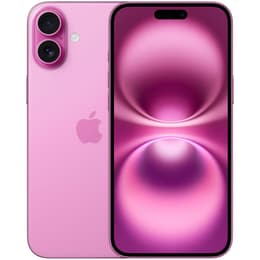
iPhone 16 Plus
iPhone 16 Plus
Starting at

Refurbished price:£502.00

Versus £799.00 new

See options

Ratings

The Google Pixel 6A, released in July 2022, is a mid-range Android smartphone known for its camera capabilities and Google's software experience. In contrast, the iPhone 16 Plus, launched in September 2024, represents a more recent, larger-screen iOS device from Apple's flagship line. While the Pixel 6A offers a compact form factor and a focus on computational photography, the iPhone 16 Plus provides a larger display, enhanced performance, and extended battery endurance.

Scores

Durability

The longevity of a smartphone is influenced by its release timeline, software support, and physical durability.

  • Release Timeline and Age: The Google Pixel 6A was introduced in mid-2022, making it an older device compared to the iPhone 16 Plus, which debuted in late 2024. This age difference impacts the remaining period of official software and security updates.
  • OS Support Duration: The Pixel 6A is expected to receive Android OS updates until at least July 2027 and security updates until at least July 2027, offering a solid five years of support from its launch. The iPhone 16 Plus, being a newer device, will likely benefit from Apple's typical long-term iOS support, extending for approximately five to six years from its 2024 release.
  • Repairability and Build: The Pixel 6A features Corning Gorilla Glass 3 for screen protection and an IP67 rating for dust and water resistance. The iPhone 16 Plus incorporates Apple's Ceramic Shield front cover and boasts an IP68 rating, indicating a higher level of water and dust ingress protection.

Year of Release

2022

2024

Compatible with latest Update

Yes

Yes

Foldable

No

No

Performance

Performance in daily use is a key differentiator, affecting app responsiveness, multitasking, and overall user experience.

  • Processing Power: The Pixel 6A is powered by Google's first-generation Tensor chip, which delivers smooth and responsive performance for everyday tasks and handles multitasking effectively. The iPhone 16 Plus features Apple's A18 chip, offering current-generation processing capabilities that ensure demanding applications and graphics-intensive tasks run with fluidity.
  • Memory and Storage: The Pixel 6A comes with 6GB of RAM and a fixed 128GB of internal storage, without an option for expansion. The iPhone 16 Plus offers 8GB of RAM and provides multiple storage configurations, including 128GB, 256GB, and 512GB, catering to users with varying storage needs.
  • Battery Behavior: The Pixel 6A, with its 4410 mAh battery, typically provides a full day of use for most users, extending to a day and a half with moderate usage. It supports 18W wired charging. The iPhone 16 Plus, equipped with a 4674 mAh battery, is noted for its extended battery life, often lasting up to two days with heavy use and potentially three days with lighter usage, and supports faster 25W wired charging along with wireless charging options.

Memory (GB)

6 GB

8 GB

Screen quality

The display quality significantly impacts media consumption, web browsing, and overall visual interaction with the device.

  • Display Technology and Size: The Pixel 6A features a 6.1-inch OLED display, offering vibrant colors and deep blacks. The iPhone 16 Plus boasts a larger 6.7-inch Super Retina XDR OLED display, providing an expansive viewing area.
  • Resolution and Brightness: Both devices offer sharp visuals with the Pixel 6A having a 2400 x 1080 resolution (429 ppi) and the iPhone 16 Plus a 2796 x 1290 resolution (460 ppi). The iPhone 16 Plus achieves higher peak brightness levels, reaching up to 2000 nits for outdoor visibility, compared to the Pixel 6A's 800 nits peak brightness.
  • Refresh Rate: Both the Pixel 6A and the iPhone 16 Plus feature a standard 60Hz refresh rate. While this is sufficient for most daily tasks, some users may notice a difference in smoothness compared to devices with higher refresh rates.

Resolution

1080 x 2400

1290 x 2796

Screen type

OLED

Super Retina XDR OLED

Audiovisual

Camera capabilities are a primary consideration for many users, influencing the quality of photos and videos captured.

  • Rear Camera System: The Pixel 6A includes a dual-camera setup with a 12.2MP main lens and a 12MP ultrawide lens, known for its strong computational photography features that enhance image quality. The iPhone 16 Plus features an advanced dual-camera system with a 48MP main sensor and a 12MP telephoto lens, offering higher resolution and optical zoom capabilities.
  • Photography Features: The Pixel 6A is praised for its ability to produce detailed and color-accurate photos, especially in various lighting conditions, leveraging features like Magic Eraser and Real Tone. The iPhone 16 Plus introduces features like a dedicated Camera Control button and supports Spatial Capture for photos and videos, alongside its robust low-light performance and video recording.
  • Video Recording: Both devices are capable of recording high-quality video. The Pixel 6A supports 4K video recording at 30 or 60 frames per second. The iPhone 16 Plus also offers advanced video recording features, including 4K Dolby Vision video recording at various frame rates.

Main camera

12.2 megapixels

48 megapixels

Front camera

8 megapixels

12 megapixels

Miscellaneous

Beyond core specifications, practical features like connectivity, physical design, and security options contribute to the overall user experience.

  • Connectivity and Ports: Both devices support 5G connectivity for fast mobile data. The Pixel 6A includes Wi-Fi 6 and Bluetooth 5.2, while the iPhone 16 Plus features Wi-Fi 6E and Bluetooth 5.3, offering slightly newer standards. Both devices utilize a USB-C port for charging and data transfer, and neither includes a traditional headphone jack.
  • Security and Design: The Pixel 6A incorporates an in-display fingerprint sensor for biometric authentication. The iPhone 16 Plus relies on Face ID for secure unlocking and authentication. The Pixel 6A has a compact design, weighing 178g, while the iPhone 16 Plus is a larger device at 199g. The iPhone 16 Plus also features an Action Button, providing quick access to customizable functions.
  • Build Materials: The Pixel 6A features an aluminum frame with a plastic back, contributing to its lighter weight. The iPhone 16 Plus uses an aluminum design with a Ceramic Shield front and a color-infused glass back, offering a different tactile experience.

Weight

250 g

199 g

Screen size (in)

6.1

6.7

Mobile network

5G

5G

SIM card

Physical SIM + eSIM

Physical SIM + eSIM

Carrier compatibility

Unlocked

Unlocked

Connector

USB-C

USB-C (USB 2)

Users frequently praise the Google Pixel 6A for its exceptional camera performance, often considered to be on par with more expensive devices, and its clean, user-friendly Android software experience. Common criticisms include its 60Hz display, the absence of expandable storage, and slower charging speeds compared to some contemporaries.

The iPhone 16 Plus is widely lauded for its outstanding battery life, powerful performance, and large, vibrant display. However, some users express disappointment with the continued use of a 60Hz refresh rate on its display and the lack of a dedicated telephoto camera compared to the Pro models.

Users prioritizing a compact device with a strong focus on computational photography and a pure Android experience may find the Google Pixel 6A well-suited to their needs. Those who value a larger screen, extended battery life, and the robust performance of the iOS ecosystem will likely lean towards the iPhone 16 Plus. Both devices offer distinct advantages, and choosing between them depends on individual preferences for operating system, size, and specific feature priorities. For those considering a quality-assured refurbished option, both models are available, providing an eco-friendly alternative.


See all articles

Our recent comparisons