Compare models
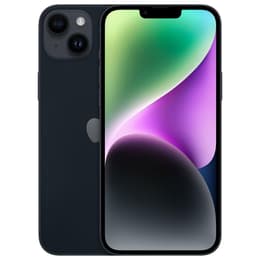
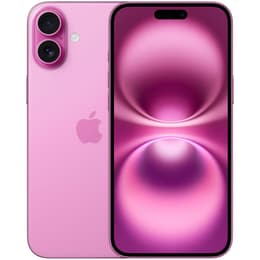
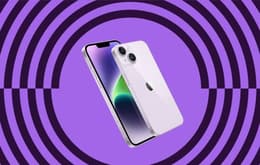
iPhone 14 Plus Vs iPhone 16 Plus
- 1-year minimum warranty
- Free delivery on all items
- Free 30-day returns
Differences at a glance
The iPhone 14 Plus, released in October 2022, and the iPhone 16 Plus, launched in September 2024, are both large-screen smartphones from Apple's mainstream lineup. While they share a similar form factor, the iPhone 16 Plus introduces notable advancements in processing power, camera capabilities, and display features, building upon the foundation set by its predecessor. Both devices run on Apple's iOS operating system, ensuring a consistent software experience.
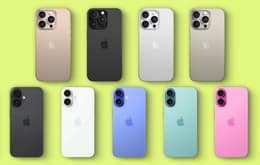
Available Models
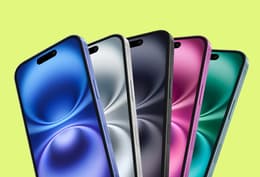
Colour
Storage (GB)
Scores
Durability
When considering the practical lifespan of these devices, their release timelines and Apple's software support policies are key factors.
- Release Timeline: The iPhone 14 Plus was released in October 2022, while the iPhone 16 Plus followed in September 2024. This two-year difference means the iPhone 16 Plus will receive software updates for a longer period, extending its functional life.
- Software Longevity: Apple typically provides iOS updates for five to six years from a device's release. Consequently, the iPhone 16 Plus is expected to receive at least two additional years of major iOS updates compared to the iPhone 14 Plus, offering extended access to new features and security enhancements.
- Physical Durability: Both models feature a Ceramic Shield front cover and an IP68 rating for water and dust resistance, indicating a similar level of protection against everyday elements.
Year of Release
2022
2024
Compatible with latest Update
Yes
Yes
Foldable
No
No
Performance
The performance of these smartphones is largely driven by their internal processing capabilities and how they manage power and memory for daily tasks.
- Processing Power: The iPhone 14 Plus is equipped with the A15 Bionic chip, which provides smooth performance for most applications and multitasking. The iPhone 16 Plus features the newer A18 chip, designed for enhanced efficiency and more demanding tasks, including those leveraging advanced on-device intelligence features.
- System Responsiveness: Users of the iPhone 14 Plus generally experience fluid navigation and quick app launches. The iPhone 16 Plus offers a noticeable improvement in responsiveness, particularly with graphically intensive games and complex applications, due to its more advanced processor and increased RAM.
- Battery Behavior: Both Plus models are known for their extended battery life. The iPhone 14 Plus consistently delivers excellent battery performance, often lasting a full day or more for many users. The iPhone 16 Plus further improves upon this, with many users reporting up to two or even three days of general use on a single charge, making it a strong contender for users prioritizing battery longevity.
Screen quality
Both devices offer large, vibrant displays, but the newer model incorporates several enhancements for an improved visual experience.
- Display Technology: Both the iPhone 14 Plus and iPhone 16 Plus feature 6.7-inch Super Retina XDR OLED displays, providing deep blacks and vibrant colors.
- Brightness and Clarity: The iPhone 14 Plus offers a typical brightness of 800 nits and a peak HDR brightness of 1200 nits. The iPhone 16 Plus elevates this with a typical brightness of 1000 nits, a peak HDR brightness of 1600 nits, and an impressive 2000 nits peak brightness for outdoor viewing, enhancing visibility in bright conditions.
- Interactive Elements: The iPhone 16 Plus introduces the Dynamic Island, a dynamic area at the top of the display that adapts to show alerts, activities, and live information, replacing the traditional notch found on the iPhone 14 Plus. Both models maintain a standard 60Hz refresh rate.
Resolution
1284 x 2778
1290 x 2796
Screen type
Super Retina XDR OLED
Audiovisual
The camera systems on both Plus models are designed for high-quality photography and videography, with the iPhone 16 Plus featuring significant upgrades.
- Main Camera System: The iPhone 14 Plus features a dual 12MP camera system with a main wide lens and an ultra-wide lens. The iPhone 16 Plus upgrades to an advanced dual-camera system, featuring a 48MP Fusion main camera that can capture super-high-resolution photos (24MP and 48MP) and offers 2x optical-quality telephoto zoom by utilizing the main sensor. It also includes an improved 12MP ultra-wide lens.
- Low-Light Performance and Features: Both phones benefit from Apple's computational photography, including Photonic Engine and Deep Fusion, for improved detail and color in various lighting. The iPhone 16 Plus, with its larger main sensor and Smart HDR 5, generally offers superior low-light performance and dynamic range compared to the iPhone 14 Plus's Smart HDR 4. The iPhone 16 Plus also introduces a dedicated Camera Control button and the ability to capture Spatial Photos.
- Video Recording: Both models support 4K Dolby Vision video recording at up to 60 frames per second and Cinematic mode. The iPhone 16 Plus offers enhanced video stabilization and new features like Spatial Video capture.
Main camera
12 megapixels
48 megapixels
Front camera
12 megapixels
12 megapixels
Miscellaneous
Beyond core features, several practical aspects differentiate these two large-screen iPhones, impacting daily usability and interaction.
- Connectivity and Ports: The iPhone 14 Plus supports 5G and Wi-Fi 6, and uses the Lightning port for charging and data transfer. The iPhone 16 Plus upgrades to Wi-Fi 7 for faster wireless speeds and adopts the universal USB Type-C port, offering broader compatibility with accessories. Both support Bluetooth 5.3.
- Physical Design and Handling: Both devices feature a 6.7-inch display and similar dimensions, making them large phones that often require two-handed use. The iPhone 16 Plus is slightly lighter at 199 grams compared to the iPhone 14 Plus's 203 grams. The iPhone 16 Plus also incorporates an Action button, customizable for quick access to various functions.
- Biometric Security: Both models rely on Face ID for secure authentication and Apple Pay.
Weight
203 g
199 g
Screen size (in)
6.7
6.7
Mobile network
5G
5G
SIM card
Physical SIM + eSIM
Physical SIM + eSIM
Carrier compatibility
Unlocked
Unlocked
Connector
Lightning
USB-C (USB 2)
What the community thinks
The iPhone 14 Plus and iPhone 16 Plus both cater to users who appreciate a large display and extended battery life in a non-Pro iPhone. The iPhone 14 Plus is frequently praised for its exceptional battery longevity and its expansive screen, offering a compelling experience for media consumption and general use. Some users, however, have noted its 60Hz display and the absence of a telephoto camera as areas where it differs from more premium models.
The iPhone 16 Plus builds on these strengths, receiving commendation for its even longer battery life, significantly upgraded main camera system with 48MP capabilities and 2x optical-quality zoom, and the introduction of the Dynamic Island and Action button. While it still maintains a 60Hz refresh rate and lacks a dedicated telephoto lens, its overall enhancements make it a more capable and future-proof device.
Users prioritizing maximum software longevity, the latest camera technology, and the most robust performance for demanding applications may find the iPhone 16 Plus better suited to their needs. Those who value a large screen and outstanding battery life but do not require the absolute latest features or the Dynamic Island may find the iPhone 14 Plus to be a practical choice. For consumers looking for an eco-friendly alternative, both models are available as quality-assured refurbished options, providing a sustainable choice without compromising on performance.