Galaxy Z Fold4 Vs iPhone 14 Pro Max

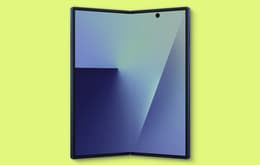
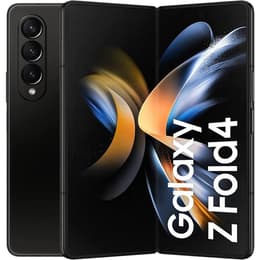
Galaxy Z Fold4
Galaxy Z Fold4
Starting at

Refurbished price:£352.00

Versus £1,889.00 new

See options
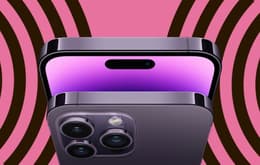
iPhone 14 Pro Max
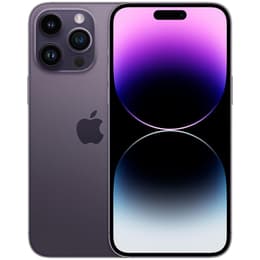
iPhone 14 Pro Max
Starting at

Refurbished price:£325.00

Versus £1,199.00 new

See options

Ratings

The Samsung Galaxy Z Fold4 (2022) and the Apple iPhone 14 Pro Max (2022) represent two distinct visions of the modern high-end smartphone. While the Galaxy Z Fold4 introduces a transformative foldable design that bridges the gap between a phone and a tablet, the iPhone 14 Pro Max refines the traditional large-screen experience with a focus on camera capabilities and software integration. Operating on Android and iOS respectively, these devices cater to different ecosystems and user habits, offering unique ways to interact with digital content and productivity tools.

The primary difference lies in their form factor: one is a versatile multi-screen device designed for expansive tasks, while the other is a highly polished, conventional flagship built for consistency and media excellence. Both models continue to be relevant for users seeking high performance and modern features in a mobile device.

Scores

Durability

The Galaxy Z Fold4 and iPhone 14 Pro Max offer different approaches to long-term reliability and software support, which are crucial factors for users planning to keep their devices for several years.

  • Software Longevity: The iPhone 14 Pro Max typically receives operating system updates for six to seven years, providing a long functional life for users who value the latest features and security. The Galaxy Z Fold4 is supported by a commitment to four years of major Android updates and five years of security patches, ensuring it remains current for a significant period.
  • Physical Resilience: The iPhone 14 Pro Max features a traditional solid-state design with high dust and water resistance, making it resilient against environmental factors. In contrast, the Galaxy Z Fold4 incorporates a complex hinge mechanism and a flexible internal screen; while it is water-resistant, its moving parts and screen materials require more mindful handling compared to a standard glass-and-metal slab.
  • Repairability: Both manufacturers have made strides in offering repair programmes, though the intricate nature of the foldable screen on the Galaxy Z Fold4 often necessitates specialised service compared to the more conventional internal layout of the iPhone.

Year of Release

2022

2022

Compatible with latest Update

Yes

Yes

OS

Android

iOS

Foldable

Yes

No

Performance

Both devices are engineered to handle demanding tasks with ease, though they distribute their power differently based on their unique hardware configurations.

  • Multitasking and Productivity: The Galaxy Z Fold4 is designed for heavy multitasking, allowing users to run three applications simultaneously on its large internal display without lag. Its system responsiveness remains high even when switching between complex work documents and media, making it feel like a pocket-sized computer.
  • Efficiency and Consistency: The iPhone 14 Pro Max focuses on seamless operation and sustained performance during intensive activities like high-resolution video editing or gaming. Its internals are highly optimised for the operating system, resulting in very smooth animations and rapid app launching that stays consistent over hours of heavy use.
  • Battery Endurance: While both devices support a full day of typical use, the iPhone 14 Pro Max is frequently noted for its energy efficiency, often lasting longer between charges for users who consume a lot of media. The Galaxy Z Fold4's battery life varies more significantly depending on how often the larger, more power-hungry internal screen is utilised.

Memory (GB)

12 GB

6 GB

Screen quality

The display technology is the most significant point of divergence between these two 2022 flagship models, impacting how users consume media and work.

  • Versatile Viewing Areas: The Galaxy Z Fold4 features two distinct screens: a narrow external display for quick tasks and a massive, nearly square internal display that provides a tablet-like experience for reading and spreadsheets. This flexible screen uses advanced materials to allow for thousands of folds while maintaining vibrant colours and deep blacks.
  • Outdoor Visibility and Clarity: The iPhone 14 Pro Max utilises a high-brightness OLED panel that excels in direct sunlight, making it easier to read messages or take photos outdoors. It also introduces a dynamic interface element at the top of the screen that changes shape to show notifications and background activity, integrating hardware and software seamlessly.
  • Motion Smoothness: Both devices employ adaptive refresh rates up to 120Hz, which means scrolling through social media feeds or navigating menus feels fluid and responsive. The iPhone's display is often praised for its natural-looking motion, while the Galaxy's large canvas makes the smoothness of the animations feel more impactful during productivity tasks.

Resolution

1812 x 2176

1290 x 2796

Screen type

Foldable Dynamic AMOLED 2X

LTPO Super Retina XDR OLED

Audiovisual

Photography and media consumption are central to both devices, though they offer different strengths for creators and casual users alike.

  • Camera Versatility: The iPhone 14 Pro Max features a sophisticated triple-lens system with a high-resolution main sensor that captures intricate detail and natural skin tones. Its video capabilities are particularly noted for stability and professional-grade features like cinematic focus transitions that track subjects automatically.
  • Creative Angles: The Galaxy Z Fold4 offers a unique photography experience because its folding design allows it to act as its own tripod. Users can partially fold the device to take hands-free photos or use the external screen as a viewfinder for high-quality selfies using the main rear cameras rather than the front-facing ones.
  • Audio and Media: Both smartphones provide clear, loud stereo speakers that are well-suited for watching videos or taking calls on speakerphone. The Galaxy Z Fold4's larger screen provides a more immersive visual experience for films, while the iPhone 14 Pro Max offers a more traditional but highly refined aspect ratio that fits standard video content perfectly.

Main camera

50 megapixels

48 megapixels

Front camera

4 megapixels

12 megapixels

Miscellaneous

Beyond the core specifications, the physical handling and connectivity of these devices influence daily comfort and ease of use.

  • Form Factor and Weight: The iPhone 14 Pro Max is a large, wide device that may require two hands for comfortable use, but it remains relatively thin. The Galaxy Z Fold4 is narrower when closed, making it easier to grip with one hand, but it is significantly thicker and heavier, which may be noticeable in a pocket or during long periods of use.
  • Connectivity and Ports: The Galaxy Z Fold4 uses a universal USB-C port for charging and data transfer, which is compatible with a wide range of modern accessories. The iPhone 14 Pro Max uses a proprietary connector, which may require specific cables if you are moving from other non-Apple devices. Both support 5G for fast mobile data speeds.
  • Security Features: The iPhone relies on advanced facial recognition that works in various lighting conditions, while the Galaxy uses a fast fingerprint sensor built into the power button, allowing for quick unlocking even while the device is still in a pocket or lying on a desk.

Weight

263 g

120 g

Screen size (in)

7.6

6.7

Mobile network

5G

5G

SIM card

Dual Physical SIM + eSIM

Physical SIM + eSIM

Carrier compatibility

Unlocked

Unlocked

The Samsung Galaxy Z Fold4 and iPhone 14 Pro Max cater to distinct user preferences within the high-end smartphone market. User discussions often highlight the Galaxy Z Fold4 as a productivity powerhouse, with many praising the ability to replace a small tablet for work tasks and media consumption. However, some users express caution regarding the long-term durability of the folding screen and the narrower dimensions of the front display. On the other hand, the iPhone 14 Pro Max receives consistent praise for its reliable battery life and the quality of its camera system, though some users find its traditional design less exciting compared to the innovation of foldables.

Users who prioritise multitasking, large-scale mobile productivity, and a unique hardware design will likely find the Galaxy Z Fold4 aligns with their needs. Conversely, those who value a refined, dependable experience with long-term software support and industry-standard video recording may prefer the iPhone 14 Pro Max. Choosing a quality-assured refurbished option for either of these models is a sustainable choice that allows users to access high-end technology while reducing electronic waste. Ultimately, the decision rests on whether you prefer the expansive, flexible canvas of the Galaxy or the polished, consistent performance of the iPhone. As an eco-friendly alternative, both devices remain highly capable choices in the current mobile landscape.


See all articles

Our recent comparisons