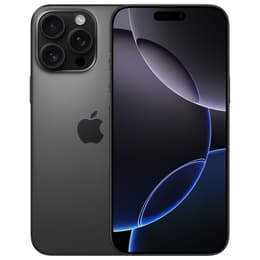
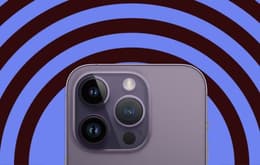
iPhone 14 Pro Max Vs iPhone 16 Pro Max

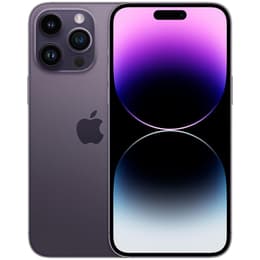
iPhone 14 Pro Max
iPhone 14 Pro Max
Starting at

Refurbished price:£327.00

Versus £1,199.00 new

See options
iPhone 16 Pro Max
iPhone 16 Pro Max
Starting at

Refurbished price:£668.00

Versus £1,199.00 new

See options

Ratings

The iPhone 14 Pro Max (2022) and the iPhone 16 Pro Max (2024) represent two distinct eras of Apple’s flagship smartphone line. While both devices share the Pro Max designation, signifying the largest screen and most advanced features available at their respective launch times, the two-year gap introduces significant changes in physical design, connectivity, and internal capabilities. Both devices operate on the iOS platform, but the iPhone 16 Pro Max is specifically engineered to support a new generation of software features that require more advanced hardware components. This comparison explores the practical differences between these two models to help you determine which one best suits your daily routine and long-term needs.

Scores

Durability

The release timeline of these two devices significantly impacts their expected lifespan and the duration of official software support they will receive from the manufacturer.

  • Software Longevity: The iPhone 16 Pro Max, launched in 2024, is expected to receive the latest iOS updates until approximately 2030 or 2031. In contrast, the iPhone 14 Pro Max, released in 2022, will likely see its final major software update around 2028, meaning it has a shorter remaining window for new features.
  • Build Materials and Wear: The iPhone 14 Pro Max features a stainless steel frame, which is highly resistant to dents but adds significant weight. The iPhone 16 Pro Max uses a titanium alloy that provides similar strength while being more resistant to visible scuffs and making the device noticeably lighter to hold.
  • Repairability: Both models are designed with a glass-and-metal structure that generally requires professional service for major repairs. However, the internal architecture of the 2024 model has been updated to make certain components, like the battery, slightly more accessible for technicians compared to the 2022 version.

Year of Release

2022

2024

Compatible with latest Update

Yes

Yes

Foldable

No

No

Performance

While both smartphones handle everyday tasks with ease, the newer model provides more headroom for demanding applications and future-proof multitasking.

  • System Responsiveness: Users will notice that the iPhone 16 Pro Max handles intensive tasks, such as exporting high-resolution video or launching heavy gaming apps, with more speed and less heat buildup than the iPhone 14 Pro Max. This is due to more efficient internal processing that manages workloads more effectively.
  • Multitasking and Memory: The 2024 model is equipped with more memory, which allows it to keep more apps open in the background without refreshing them. This is particularly useful for professionals who switch frequently between communication, document editing, and web browsing apps.
  • Battery Efficiency: In real-world usage, the iPhone 16 Pro Max offers longer active screen time during demanding activities like GPS navigation or video streaming. The internal components are designed to consume less power for the same tasks compared to the hardware found in the 2022 model.

Memory (GB)

6 GB

8 GB

Screen quality

Both devices feature high-quality displays with smooth scrolling, but the iPhone 16 Pro Max offers a larger viewing area and improved visibility in challenging lighting.

  • Display Size and Borders: The iPhone 16 Pro Max increases the screen size to 6.9 inches by significantly narrowing the borders around the edges. This provides a more immersive viewing experience for movies and documents compared to the 6.7-inch screen on the iPhone 14 Pro Max.
  • Outdoor Visibility: While both screens are clear and vibrant, the newer model can reach higher peak brightness levels. This makes it easier to read text or view photos when using the phone in direct, harsh sunlight where reflections might otherwise obscure the display.
  • Visual Smoothness: Both models utilise adaptive refresh rate technology, which ensures that scrolling through social media or playing games looks fluid. This technology also helps conserve battery life by slowing down the screen's refresh rate when you are looking at a static image or reading a book.

Resolution

1290 x 2796

1320 x 2868

Screen type

LTPO Super Retina XDR OLED

LTPO Super Retina XDR OLED

Audiovisual

Photography enthusiasts will notice meaningful upgrades in zoom capabilities and ultra-wide detail when moving from the 2022 model to the 2024 flagship.

  • Optical Zoom Range: The iPhone 16 Pro Max features a 5x optical zoom lens, allowing for much clearer close-up shots of distant subjects, such as wildlife or stadium events. The iPhone 14 Pro Max is limited to a 3x optical zoom, which provides less detail when trying to capture subjects from a distance.
  • Ultra-Wide Performance: The 2024 model introduces a significantly higher-resolution ultra-wide sensor. This results in much sharper landscape photos and improved clarity when taking macro shots of very small objects, like flowers or textures, compared to the older model.
  • Audio and Video Recording: Both devices record professional-grade video, but the iPhone 16 Pro Max includes more advanced microphones that can better isolate a subject's voice from background noise. This makes it a more capable tool for users who frequently record interviews or social media content in busy environments.

Main camera

48 megapixels

48 megapixels

Front camera

12 megapixels

12 megapixels

Miscellaneous

Physical buttons and port types represent the most immediate practical differences for users switching between these two generations of smartphones.

  • Connectivity and Ports: The iPhone 16 Pro Max uses a universal USB-C port for charging and data transfer, which is compatible with most modern laptops and tablets. The iPhone 14 Pro Max uses the older Lightning connector, which may require you to carry a specific cable that is not compatible with other non-Apple devices.
  • Physical Controls: The 2024 model replaces the traditional mute switch with a customisable Action Button and adds a dedicated Camera Control button. This allows users to launch their favourite apps or adjust camera settings like exposure and zoom with a physical touch, rather than using the touchscreen.
  • Weight and Handling: Despite having a larger screen, the titanium construction of the iPhone 16 Pro Max makes it feel lighter in the hand than the stainless steel iPhone 14 Pro Max. This reduction in weight can make the device more comfortable to use for extended periods.

Weight

120 g

227 g

Screen size (in)

6.7

6.9

Mobile network

5G

5G

SIM card

Physical SIM + eSIM

Physical SIM + eSIM

Carrier compatibility

Unlocked

Unlocked

Connector

Lightning

USB-C (USB 3)

Based on discussions across user forums and community platforms, the iPhone 14 Pro Max remains highly regarded for its solid build quality and reliable battery life. Many users find that it still performs exceptionally well for standard daily tasks, though some frequently mention that its stainless steel frame feels heavy during long-term use. In contrast, the iPhone 16 Pro Max receives praise for its lighter titanium feel and the significantly improved reach of its 5x zoom lens. Some users have noted that the new Camera Control button requires a learning curve, but they appreciate the added convenience once they become accustomed to it.

Users who prioritise having the latest software capabilities, the best possible zoom for photography, and a lighter device for easier handling will find the iPhone 16 Pro Max aligns best with their needs. Those who prefer a tried-and-tested design and do not require the most advanced integrated artificial intelligence features may find the iPhone 14 Pro Max more than sufficient for their requirements. Choosing a quality-assured refurbished option for either model is a sustainable choice that helps reduce electronic waste while providing a high-performance device. Ultimately, the decision rests on whether the larger screen, USB-C convenience, and extended software support of the newer model outweigh the familiar reliability of the 2022 flagship.

See all articles

Our recent comparisons