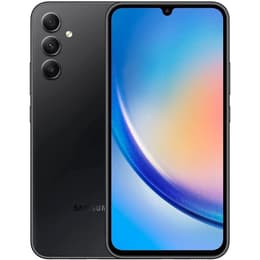


Galaxy A34 Vs Xiaomi Redmi Note 11 Pro 5G

Galaxy A34
Galaxy A34
Starting at

Refurbished price:£105.00

Versus £399.00 new

See options
Xiaomi Redmi Note 11 Pro 5G
Starting at

Refurbished price:£102.00

Versus £599.00 new

See options

Ratings

The Samsung Galaxy A34, released in 2023, and the Xiaomi Redmi Note 11 Pro 5G, launched in 2022, are two prominent contenders in the mid-range smartphone market. While they share similar dimensions and display technologies, they cater to slightly different user priorities regarding software longevity and hardware features. The Galaxy A34 runs on Samsung's One UI, known for its clean interface and extended support, while the Redmi Note 11 Pro 5G utilises Xiaomi's MIUI, offering extensive customisation options. Choosing between them often comes down to whether you value a newer release with longer support or specific hardware capabilities like faster charging.

Scores

Durability

The release gap between these two devices significantly impacts their expected lifespan and software relevance in the coming years.

  • Software Longevity: The Galaxy A34 benefits from a more generous update policy, promising four generations of Android updates and five years of security patches, which extends its functional life considerably compared to the Redmi Note 11 Pro 5G.
  • Environmental Protection: With an IP67 rating, the Galaxy A34 is designed to withstand immersion in water, whereas the Redmi Note 11 Pro 5G carries an IP53 rating, making it resistant only to light splashes and dust.
  • Build and Repair: Both devices feature sturdy builds, but the Galaxy A34's newer components and widespread service network may offer a slight advantage for long-term maintenance and part availability.

Year of Release

2023

2022

Compatible with latest Update

Yes

No

OS

Android

Android

Foldable

No

No

Performance

In everyday use, both smartphones provide a responsive experience, though their approaches to power management and multitasking differ slightly.

  • System Responsiveness: The Galaxy A34 offers a very fluid experience when navigating menus and switching between apps, maintaining consistent speed even as the device ages. The Redmi Note 11 Pro 5G is equally capable for daily tasks like social media and browsing, though it may show its age sooner during intensive multitasking.
  • Battery and Charging: While both house a large 5000mAh battery that easily lasts a full day, the Redmi Note 11 Pro 5G supports significantly faster wired charging, allowing users to top up the battery in a fraction of the time required by the Galaxy A34.
  • Storage Flexibility: Both models include options for expandable storage via a microSD card slot, ensuring that users who take many photos or download large files have ample space without relying solely on cloud services.

Memory (GB)

6 GB

6 GB

Screen quality

The display is a highlight for both devices, featuring high refresh rates that make scrolling and animations appear smooth and fluid.

  • Display Technology: Both phones utilise AMOLED technology, which provides deep blacks and high contrast, making them excellent for watching videos or viewing photos in various lighting conditions.
  • Outdoor Visibility: The Galaxy A34 features a screen that reaches high brightness levels, ensuring the display remains legible even under direct sunlight, while the Redmi Note 11 Pro 5G offers a slightly larger screen area for a more immersive viewing experience.
  • Smoothness: With 120Hz refresh rates on both models, users will enjoy a responsive feel when interacting with the interface, which is particularly noticeable when scrolling through long articles or social media feeds.

Resolution

1080 x 2340

1080 x 2400

Screen type

Super AMOLED

Super AMOLED

Audiovisual

The camera systems on these devices are designed for versatility, though they prioritise different aspects of the photography experience.

  • Image Detail: The Redmi Note 11 Pro 5G features a high-resolution main sensor that captures significant detail in bright daylight, allowing for larger prints or more flexibility when cropping photos.
  • Video and Stability: The Galaxy A34 is often noted for its reliable video stabilisation and consistent colour reproduction across its different lenses, making it a dependable choice for casual videography and social media sharing.
  • Media Consumption: Both devices are equipped with stereo speakers that provide a clear and balanced audio experience for watching movies or listening to podcasts without the need for external headphones.

Main camera

48 megapixels

108 megapixels

Front camera

13 megapixels

16 megapixels

Miscellaneous

Practical features like connectivity and physical design play a major role in how these devices feel in daily use.

  • Connectivity and Ports: The Redmi Note 11 Pro 5G includes a traditional 3.5mm headphone jack, a feature increasingly rare in modern smartphones, whereas the Galaxy A34 relies on USB-C or wireless options for audio.
  • Security and Access: The Galaxy A34 uses an optical sensor hidden beneath the display for unlocking, while the Redmi Note 11 Pro 5G integrates its fingerprint scanner into the power button on the side, which some users find more intuitive to reach.
  • Handling and Weight: Both phones have a substantial feel without being overly heavy, though the Redmi's glass back provides a different tactile experience compared to the reinforced plastic finish of the Galaxy A34.

Weight

199 g

202 g

Screen size (in)

6.6

6.67

Mobile network

5G

5G

SIM card

Dual Physical SIM

Dual Physical SIM

Carrier compatibility

Unlocked

Unlocked

User consensus from various tech communities highlights the Samsung Galaxy A34 as a reliable all-rounder that excels in software support and water resistance. Many users appreciate the peace of mind that comes with years of guaranteed updates. On the other hand, the Xiaomi Redmi Note 11 Pro 5G is frequently praised for its rapid charging capabilities and the inclusion of a headphone jack, which remains a priority for many audio enthusiasts. Some criticisms of the Redmi model mention the slightly older software version at launch, while Galaxy A34 users occasionally note the absence of a dedicated headphone port.

Users who prioritise long-term software security and a device that can survive an accidental drop in water may find the Galaxy A34 to be the better fit for their needs. Conversely, those who value quick battery top-ups and prefer using wired headphones might lean toward the Redmi Note 11 Pro 5G. Both devices are available as a quality-assured refurbished option, providing a way to access these features while making a sustainable choice. Ultimately, the decision rests on whether you prefer the modern support cycle of the Samsung or the specific hardware conveniences offered by the Xiaomi.


See all articles

Our recent comparisons