iPhone 11 Vs Xiaomi Redmi Note 11 Pro 5G

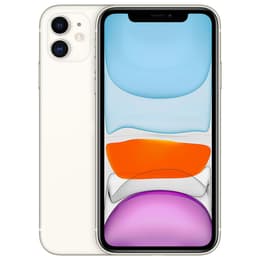
iPhone 11
iPhone 11
Starting at

Refurbished price:£123.00

Versus £489.00 new

See options
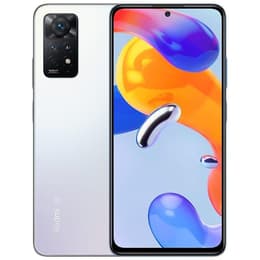
Xiaomi Redmi Note 11 Pro 5G
Starting at

Refurbished price:£102.00

Versus £599.00 new

See options

Ratings

The iPhone 11, released in 2019, and the Xiaomi Redmi Note 11 Pro 5G, launched in 2022, represent two distinct eras of smartphone technology. While the iPhone 11 remains a popular entry point into the iOS ecosystem, the Redmi Note 11 Pro 5G offers modern features like 5G connectivity and a high-refresh-rate display on the Android platform. Both devices cater to users seeking reliable daily performance, but they differ significantly in their screen technology and connectivity standards.

This comparison explores the practical differences between these two models, focusing on how their hardware and software capabilities translate to real-world usage. Whether you are a student, a professional, or a frequent traveller, understanding these trade-offs will help you identify which smartphone better aligns with your specific needs and lifestyle.

Scores

Durability

When considering how long these devices will remain functional and relevant, the release dates and software support policies play a crucial role in determining their practical lifespan.

  • Software Longevity: The iPhone 11 has benefited from Apple's long-term update cycle since 2019, though it is naturally closer to the end of its support window than the newer Redmi. The Redmi Note 11 Pro 5G, being a 2022 release, started its journey with a more modern version of Android, though software update frequency can vary over time compared to the consistent schedule of iOS.
  • Build and Repairability: The iPhone 11 features a robust glass and aluminium construction that has proven durable over years of use. The Redmi Note 11 Pro 5G uses a glass back with a sturdy frame, and both devices have widely available replacement parts. Choosing a sustainable choice like a quality-assured refurbished option can further extend the lifecycle of these well-built devices.
  • Hardware Resilience: While both phones are designed to handle daily wear and tear, the iPhone 11 includes water and dust resistance ratings that provide peace of mind for active users. The Redmi also offers protection against splashes, ensuring both can survive minor accidents during typical daily activities.

Year of Release

2019

2022

Compatible with latest Update

Yes

No

OS

iOS

Android

Foldable

No

No

Performance

Performance on these smartphones is tailored to different user priorities, with one focusing on long-term software optimization and the other on modern multitasking efficiency.

  • System Responsiveness: The iPhone 11 continues to provide a smooth and fluid experience for everyday tasks like browsing, social media, and messaging. Its internal components were designed for high efficiency, allowing it to handle modern apps without significant lag. The Redmi Note 11 Pro 5G utilizes more recent hardware that manages power consumption effectively, ensuring a stable experience during standard daily use.
  • Multitasking Capabilities: With higher memory configurations often available, the Redmi Note 11 Pro 5G is well-suited for users who keep many apps open simultaneously. The iPhone 11 relies on deep software integration to maintain performance, though users may notice more frequent app refreshing when switching between many demanding tasks.
  • Storage and Speed: Both devices offer various storage capacities to house photos, videos, and applications. The Redmi benefits from modern storage technology that allows for quick file transfers and app installations, while the iPhone 11 maintains consistent read and write speeds that support its overall system stability.

Memory (GB)

4 GB

6 GB

Screen quality

The display is perhaps the most immediate difference between these two devices, as they utilize contrasting technologies that affect everything from battery life to media consumption.

  • Display Technology: The Redmi Note 11 Pro 5G features an AMOLED screen, which provides deep blacks and vibrant contrast, making it an excellent choice for watching films or viewing photos. The iPhone 11 uses an LCD panel that offers natural colour reproduction and good accuracy, though it cannot achieve the true black levels found on the Redmi.
  • Smoothness and Motion: A standout feature of the Redmi is its high refresh rate, which makes scrolling through web pages and social media feeds feel exceptionally fluid. The iPhone 11 uses a standard refresh rate, which is consistent and reliable but lacks the enhanced smoothness found on more modern displays.
  • Outdoor Visibility: The Redmi's screen can reach higher brightness levels, which is a significant advantage when using the phone in bright outdoor environments. While the iPhone 11 is clear and legible in most conditions, users may find the Redmi easier to view under direct sunlight.

Resolution

828 x 1792

1080 x 2400

Screen type

Liquid Retina IPS LCD

Super AMOLED

Audiovisual

Photography and video capabilities are handled with different philosophies, with the iPhone focusing on consistency and the Redmi on high-resolution detail.

  • Photo Quality: The iPhone 11 is widely praised for its natural skin tones and reliable performance across its dual-camera system. It produces balanced images in various lighting conditions. The Redmi Note 11 Pro 5G features a high-resolution main sensor that captures a significant amount of detail in bright light, allowing for larger prints or more flexibility when cropping photos.
  • Video Performance: For users who record a lot of video, the iPhone 11 offers smooth stabilization and high-quality recording that remains competitive today. The Redmi provides functional video for social sharing and casual use, though it may not match the same level of cinematic smoothness found on the iPhone.
  • Audio and Media: Both smartphones feature stereo speakers that deliver clear audio for media consumption. The Redmi Note 11 Pro 5G includes a traditional headphone jack, which is a practical feature for those who prefer using wired headphones without the need for an external adapter.

Main camera

12 megapixels

108 megapixels

Front camera

12 megapixels

16 megapixels

Miscellaneous

Practical features such as connectivity standards and physical handling are essential factors in how these smartphones fit into your daily routine.

  • Connectivity Standards: The Redmi Note 11 Pro 5G supports the latest 5G networks, providing access to faster mobile data speeds where available. The iPhone 11 is limited to 4G LTE, which remains perfectly adequate for most streaming and browsing but lacks the future-proofing of the newer 5G standard.
  • Charging and Ports: The Redmi utilizes the universal USB-C port for charging and data transfer, supporting very fast charging speeds that can quickly replenish the battery. The iPhone 11 uses the proprietary Lightning port and supports standard fast charging, which is reliable but generally slower than the Redmi's modern system.
  • Biometrics and Handling: The iPhone 11 uses facial recognition for secure unlocking, which many users find seamless and intuitive. The Redmi features a fingerprint sensor integrated into the power button, offering a fast and reliable alternative. In terms of size, the iPhone 11 is slightly more compact and easier to handle with one hand, while the Redmi's larger footprint provides more screen real estate.

Weight

194 g

202 g

Screen size (in)

6.1

6.67

Mobile network

4G

5G

SIM card

Physical SIM + eSIM

Dual Physical SIM

Carrier compatibility

Unlocked

Unlocked

In summary, the choice between the iPhone 11 and the Xiaomi Redmi Note 11 Pro 5G depends largely on which modern features you value most. Based on common user feedback from tech forums, the iPhone 11 is frequently commended for its consistent camera performance and the longevity of the iOS experience. However, some users note that its LCD screen and 4G connectivity are beginning to show their age. Conversely, the Redmi Note 11 Pro 5G receives praise for its vibrant AMOLED display, 120Hz smoothness, and exceptionally fast charging, though some find the software interface requires a bit more customization to suit their tastes.

Users who prioritize a straightforward, reliable interface and high-quality video recording will likely find the iPhone 11 better suited to their needs. On the other hand, those who consume a lot of media, want the fastest possible mobile data speeds, and prefer a larger, more modern display will likely lean toward the Redmi Note 11 Pro 5G. Choosing an eco-friendly alternative like a quality-assured refurbished option for either model is a sustainable way to acquire a capable device while reducing environmental impact. Ultimately, both smartphones offer a solid experience, and your decision should be guided by whether you prefer the established ecosystem of Apple or the feature-rich, modern hardware of Xiaomi.

See all articles

Our recent comparisons