Compare models
iPhone 11 Vs iPhone SE (2022)
- 1-year minimum warranty
- Free delivery on all items
- Free 30-day returns
Differences at a glance
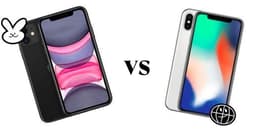
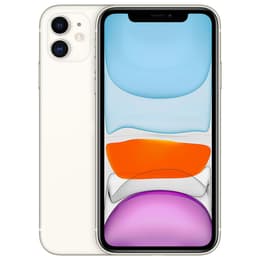
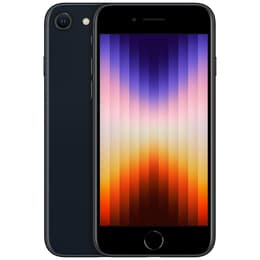
The iPhone 11 (2019) and the iPhone SE (2022) are two distinct smartphones that cater to different user needs within the same ecosystem. While the iPhone 11 offers a modern, all-screen design with versatile photography features, the iPhone SE retains a classic aesthetic while housing significantly newer internal technology. Both devices run the latest versions of iOS, offering a familiar interface and access to the same applications, though their physical forms and core capabilities cater to very different user preferences. Both devices are popular choices for those seeking a quality-assured refurbished option that balances modern features with reliable performance.
Available Models
Colour
Storage (GB)
Scores
Durability
When considering how long these devices will remain functional and supported, the three-year gap between their release dates plays a significant role in their expected software longevity.
- Software Support: The iPhone SE (2022) is equipped with newer internal hardware that likely guarantees several additional years of operating system updates compared to the iPhone 11. Users who plan to keep their device for four or five years may find the SE a more reliable long-term companion for security and feature updates.
- Physical Build and Repair: Both models feature glass and aluminium constructions that are well-understood by repair professionals. The iPhone 11 offers slightly higher water resistance ratings, while the iPhone SE’s traditional design makes certain components, like the home button and screen, very straightforward to service.
- Practical Lifespan: While the iPhone 11 is older, its larger battery may physically last through more charge cycles before needing replacement, whereas the SE’s newer components are more energy-efficient but paired with a smaller physical cell.
Year of Release
2019
2022
Compatible with latest Update
Yes
Yes
OS
iOS
iOS
Foldable
No
No
Performance
The performance gap between these two models is defined by the evolution of internal components, affecting everything from daily app usage to high-end mobile gaming.
- System Responsiveness: The iPhone SE (2022) benefits from a much newer processor, allowing it to launch demanding applications faster and handle intensive multitasking with greater ease. Users who frequently edit video or play graphics-heavy games will notice a smoother experience on the SE compared to the older hardware in the iPhone 11.
- Battery Endurance: The iPhone 11 features a significantly larger physical footprint, which accommodates a higher-capacity battery. In real-world usage, this typically translates to longer runtimes between charges, making it better suited for users who are away from power outlets for extended periods.
- Storage and Multitasking: Both devices offer various storage capacities to house photos and apps, and both manage background tasks efficiently. However, the newer architecture in the SE provides more performance headroom, ensuring the system stays fast as apps become more demanding over time.
Screen quality
The viewing experience is perhaps the most immediate difference between these two devices, as they utilise different design philosophies for their displays.
- Display Size and Immersion: The iPhone 11 features a 6.1-inch display that covers nearly the entire front of the device, providing an immersive experience for watching videos or reading. In contrast, the iPhone SE uses a 4.7-inch screen flanked by traditional borders, which some users find easier to navigate with one hand.
- Technology and Clarity: Both phones use LCD technology, which provides natural colour reproduction and good visibility. While the resolution is similar in terms of pixel density, the iPhone 11’s larger canvas makes it more practical for productivity tasks and media consumption, while the SE remains sharp for text and messaging.
- Brightness and Smoothness: Both displays offer sufficient brightness for most environments and a standard refresh rate that ensures smooth scrolling. The iPhone 11’s larger screen provides more room for interface elements, whereas the SE’s compact display prioritises portability and ease of reach.
Resolution
828 x 1792
750 x 1334
Screen type
Liquid Retina IPS LCD
Retina IPS LCD
Audiovisual
Photography capabilities differ significantly, with the iPhone 11 focusing on hardware versatility and the iPhone SE relying on advanced software processing.
- Lens Versatility: The iPhone 11 includes two rear cameras—a standard wide lens and an ultra-wide lens—allowing users to capture expansive landscapes or tight indoor spaces. The iPhone SE has a single wide lens, which is excellent for standard snapshots but lacks the perspective flexibility of its counterpart.
- Low-Light and Processing: A key advantage for the iPhone 11 is its dedicated Night Mode, which allows for clear, detailed photos in very dark environments. The iPhone SE lacks this specific feature, though its newer software processing helps it produce high-quality images with balanced exposure in well-lit or moderately dim conditions.
- Video and Audio: Both devices are capable of recording high-quality 4K video with good stabilisation. The iPhone 11 offers a slightly more robust microphone setup for stereo recording, while the SE’s newer internals provide excellent HDR processing for video, ensuring balanced highlights and shadows in challenging lighting.
Main camera
12 megapixels
12 megapixels
Front camera
12 megapixels
7 megapixels
Miscellaneous
Beyond the core specifications, the physical handling and connectivity options of these two smartphones cater to different daily habits.
- Biometric Security: The iPhone 11 uses Face ID, which scans the user's face to unlock the device, whereas the iPhone SE uses Touch ID via a physical home button. Users who prefer the tactile feel of a button or who often wear masks may find the SE more convenient, while others prefer the seamless nature of facial recognition.
- Connectivity and Ports: The iPhone SE (2022) supports 5G networks, providing faster data speeds and better performance in crowded areas. The iPhone 11 is limited to 4G LTE, which remains reliable but lacks the future-proofing of the newer standard. Both devices use the same port type for charging and data transfer.
- Dimensions and Build: The iPhone SE is significantly lighter and smaller, making it one of the most pocketable smartphones available. The iPhone 11 is larger and heavier, offering a more substantial feel and a more modern aesthetic with its rounded edges and minimal borders.
Weight
194 g
144 g
Width
7,57 cm
6 cm
Height
15,09 cm
13 cm
Depth
0,83 cm
0,73 cm
Screen size (in)
6.1
4.7
Mobile network
4G
5G
SIM card
Physical SIM + eSIM
Physical SIM + eSIM
Carrier compatibility
Unlocked
Unlocked
Connector
Lightning
Lightning
What the community thinks
User feedback on forums like Reddit highlights a clear divide in preference based on lifestyle. The iPhone 11 is frequently praised for its reliable battery life and the versatility of its ultra-wide camera, with many users still finding its design modern and its screen size ideal for media. However, some note that its older hardware is starting to show its age in very demanding tasks. Conversely, the iPhone SE (2022) receives acclaim for its fast performance and the familiarity of the home button, though its small screen and shorter battery life are common points of criticism for those who use their phones heavily throughout the day.
Choosing between these two depends largely on your priorities. Users who value a large, modern screen, longer battery life, and the ability to take wide-angle or night-time photos will find the iPhone 11 to be a better fit. On the other hand, those who prefer a compact, lightweight device that is easy to use with one hand and want the fastest possible performance and 5G connectivity should lean toward the iPhone SE. For those looking to make a sustainable choice, both models are available as an eco-friendly alternative, providing a way to access these features while reducing environmental impact. Ultimately, the iPhone 11 serves the media-heavy user, while the iPhone SE is a powerful tool for those who value simplicity and longevity in a classic form factor.