iPhones
Compare models
Differences at a glance
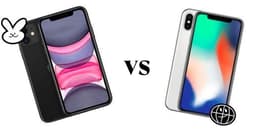
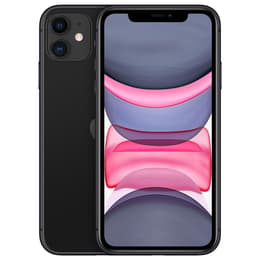
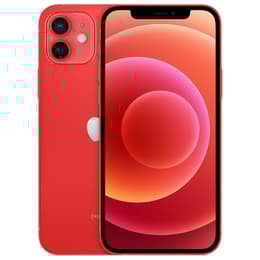
The iPhone 11, released in September 2019, and the iPhone 12, launched in October 2020, represent two consecutive generations of Apple's mainstream smartphone line. While both devices operate on the same iOS platform and offer a familiar user experience, the iPhone 12 introduced a notable design refresh, an upgraded display technology, and enhanced connectivity features that distinguish it from its predecessor. Both models continue to receive software updates, ensuring a consistent user experience across their lifespan.
Colour
Storage (GB)
When considering the longevity of these devices, several factors come into play, including their release timelines, software support, and physical durability.
Year of Release
Compatible with latest Update
OS
Foldable
The performance of a smartphone is crucial for daily tasks, from navigating applications to engaging with demanding games. Both the iPhone 11 and iPhone 12 deliver capable performance, though the newer model offers advancements.
The visual experience is a significant aspect of smartphone usage, and the displays on the iPhone 11 and iPhone 12 present a key difference.
Resolution
Screen type
Both the iPhone 11 and iPhone 12 offer capable camera systems, but the iPhone 12 introduces several enhancements for photography and videography.
Main camera
Front camera
Beyond core features, several practical elements contribute to the overall user experience and differentiate these two iPhone models.
Weight
Width
Height
Depth
Screen size (in)
Mobile network
SIM card
Carrier compatibility
Connector
The iPhone 11 and iPhone 12 both offer robust smartphone experiences, each with distinct advantages that cater to different user priorities. User feedback often praises the iPhone 11 for its solid performance, reliable camera system, and good battery life, making it a dependable choice for everyday use. Some users appreciate its rounded design for comfortable handling. Common criticisms for the iPhone 11 often revolve around its LCD display, which, while good, does not offer the same contrast and vibrancy as OLED panels.
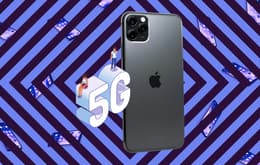
The iPhone 12 is frequently lauded for its modern flat-edged design, the significant upgrade to an OLED display with enhanced clarity and color, and the introduction of 5G connectivity. Its improved camera capabilities, especially in low light and with Dolby Vision video, are also highly regarded. Some users have noted that the flat edges, while aesthetically pleasing, can feel less comfortable to hold for extended periods compared to the iPhone 11's rounded design. The battery life, while still good, is generally considered comparable to the iPhone 11 despite the more efficient processor, likely due to the demands of 5G and the OLED screen.
Users prioritizing a vibrant, high-resolution display, a more modern design, and future-proof 5G connectivity may find the iPhone 12 better suited to their needs. Those who value a slightly more ergonomic feel, a still-capable camera, and strong overall performance without the need for the latest display technology or 5G might lean towards the iPhone 11. Both devices remain excellent choices, especially when considering quality-assured refurbished options, which provide an eco-friendly alternative for consumers looking to make informed and sustainable choices.