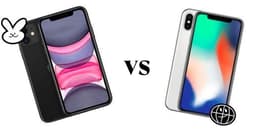
iPhone 11 Pro Vs iPhone 12

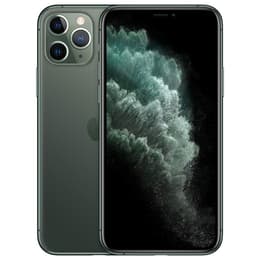
iPhone 11 Pro
iPhone 11 Pro
Starting at

Refurbished price:£151.00

Versus £639.00 new

See options
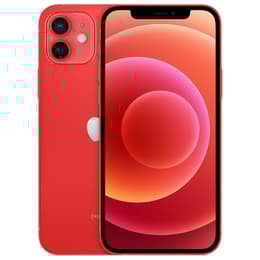
iPhone 12
iPhone 12
Starting at

Refurbished price:£138.00

Versus £649.00 new

See options

Ratings

The iPhone 11 Pro, released in 2019, and the iPhone 12, launched in 2020, represent two distinct eras of smartphone design. While the iPhone 11 Pro was the flagship model of its year, featuring a triple-camera system and a compact, heavy-duty build, the iPhone 12 introduced a modern flat-edge aesthetic and 5G connectivity to the standard lineup. Both devices currently support recent versions of iOS, ensuring a consistent software experience, though they cater to different user priorities regarding photography, network speeds, and physical handling.

Scores

Durability

The iPhone 11 Pro and iPhone 12 offer different physical and software longevity profiles based on their release dates and construction materials.

  • Software Longevity: As the iPhone 12 was released a year after the iPhone 11 Pro, it is expected to receive official software updates and security patches for an additional year, making it a slightly more future-ready choice for those who keep their phones for a long time.
  • Build Materials: The iPhone 11 Pro uses a stainless steel frame which provides a heavy, sturdy feel, whereas the iPhone 12 utilises aerospace-grade aluminium, which is lighter but still highly durable for everyday use.
  • Glass Protection: The iPhone 12 features a Ceramic Shield front cover, which provides significantly better drop protection compared to the standard toughened glass found on the iPhone 11 Pro, though both remain resistant to everyday scratches.

Year of Release

2019

2020

Compatible with latest Update

Yes

Yes

OS

iOS

iOS

Foldable

No

No

Performance

In daily use, both smartphones remain highly responsive, though the generational gap introduces subtle differences in how they handle demanding tasks.

  • System Responsiveness: The iPhone 12 handles intensive multitasking and high-end mobile gaming with slightly more ease due to its newer internal architecture, while the iPhone 11 Pro remains perfectly fluid for standard social media, browsing, and productivity apps.
  • Battery Efficiency: Users will find that the iPhone 11 Pro offers impressive battery life for its size, often lasting a full day of moderate use, while the iPhone 12 benefits from a more power-efficient processor that balances its slightly smaller battery capacity.
  • Storage Flexibility: The iPhone 11 Pro was available with higher maximum storage capacities, which is a practical consideration for users who store large amounts of high-resolution video. Choosing a quality-assured refurbished option can be a great way to access these higher storage tiers sustainably.

Memory

4 GB

4 GB

Screen quality

Both devices feature high-quality OLED technology, which provides deep blacks and high contrast, but they differ in size and outdoor visibility.

  • Display Size and Immersion: The iPhone 12 offers a larger 6.1-inch screen compared to the 5.8-inch display on the iPhone 11 Pro, providing more room for reading and watching videos, though the 11 Pro is often preferred by those who like a more compact, one-handed experience.
  • Brightness Levels: The iPhone 11 Pro features a display capable of higher peak brightness in standard use, which makes the screen easier to read when used directly under bright sunlight compared to the iPhone 12.
  • Visual Clarity: Both screens offer high resolutions that make text look sharp and images appear detailed, ensuring that whether you are editing photos or scrolling through documents, the visual experience remains crisp and clear.

Resolution

1125 x 2436

1170 x 2532

Screen type

Super Retina XDR OLED

Super Retina XDR OLED

Audiovisual

The camera systems represent the most significant hardware divergence between these two generations, impacting how users capture their environment.

  • Versatility in Photography: The iPhone 11 Pro includes a dedicated telephoto lens, allowing for high-quality optical zoom which is ideal for portraits and distant subjects, whereas the iPhone 12 relies on a dual-camera system without a physical zoom lens.
  • Low-Light Performance: The iPhone 12 introduced Night Mode across all its lenses, including the front-facing camera, allowing for clearer and more detailed photos in dark environments compared to the iPhone 11 Pro, which has more limited Night Mode capabilities.
  • Video Capabilities: While both record in 4K, the iPhone 12 supports recording in Dolby Vision HDR, which results in videos with more lifelike colours and better dynamic range when played back on compatible screens.

Main camera

12 megapixels

12 megapixels

Front camera

12 megapixels

12 megapixels

Miscellaneous

Beyond the core specs, the physical handling and connectivity standards of these devices influence the daily user experience.

  • Network Connectivity: The iPhone 12 supports 5G networks, providing access to faster mobile data speeds and better performance in crowded areas, while the iPhone 11 Pro is limited to 4G LTE, which remains reliable but lacks the future-proofing of the newer standard.
  • Charging and Accessories: The iPhone 12 introduced MagSafe technology, a magnetic system on the back of the phone that allows for easy attachment of wireless chargers and accessories, a feature entirely absent on the iPhone 11 Pro.
  • Weight and Ergonomics: Despite having a larger screen, the iPhone 12 is notably lighter than the iPhone 11 Pro due to its aluminium frame, making it more comfortable for long periods of use, whereas the 11 Pro feels more substantial and compact in the hand.

Weight

188 g

164 g

Screen size (in)

5.8

6.1

Network

4G

5G

SIM card

Physical SIM + eSIM

Physical SIM + eSIM

Carrier compatibility

Unlocked

Unlocked

Connector

Lightning

Lightning

Public sentiment on forums like Reddit highlights a clear divide in user preference between these two models. The iPhone 11 Pro is frequently praised for its compact size and the premium feel of its stainless steel edges, with many users still finding its telephoto lens essential for daily photography. Conversely, the iPhone 12 is often recommended for its lighter weight and the inclusion of 5G, which many see as a vital feature for long-term use. Some users have noted that the iPhone 12's flat edges can feel sharper in the hand compared to the rounded sides of the 11 Pro.

Users who prioritise a dedicated zoom lens and a heavy-duty build will likely find the iPhone 11 Pro better suited to their needs. Those who value a larger screen and faster mobile data speeds will likely lean toward the iPhone 12. Both smartphones remain excellent examples of durable technology, and choosing a sustainable choice through refurbishment ensures these devices continue to serve users well while reducing electronic waste. Ultimately, the decision rests on whether you prefer the Pro features of an older generation or the modern connectivity of the newer standard model.
See all articles

Our recent comparisons