Compare models
iPhone 12 Vs iPhone SE (2020)
- 1-year minimum warranty
- Free delivery on all items
- Free 30-day returns
Differences at a glance
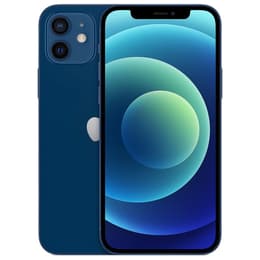
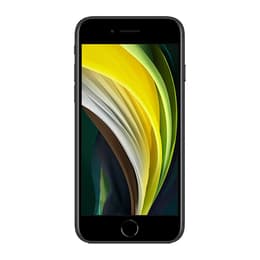
The iPhone 12 and the iPhone SE (2020) both arrived in 2020, yet they represent two very different approaches to the modern smartphone experience. While the iPhone 12 introduced a fresh design language with flat edges and 5G capabilities, the iPhone SE (2020) focused on a familiar, compact form factor that retains the classic physical home button. Both devices operate on the same iOS ecosystem, ensuring a consistent software experience and access to the same vast library of applications. This comparison explores the practical differences between these two models to help you decide which one aligns best with your daily habits and preferences.
Available Models
Colour
Storage (GB)
Scores
Durability
Both smartphones were released in the same year, which means they share a very similar timeline for official software support and security updates from the manufacturer.
- Software Longevity: Users can expect several more years of reliable performance and operating system updates, though the iPhone 12 may have a slight edge in long-term fluidity due to its more advanced internal architecture.
- Build Resilience: The iPhone 12 features a Ceramic Shield front for improved drop protection and higher water resistance ratings, while the iPhone SE uses traditional glass and a slightly less robust water-resistance standard.
- Repairability: Both models are widely supported by independent repair shops, making it straightforward to replace common components like batteries or screens to extend their functional life for several more years.
Year of Release
2020
2020
Compatible with latest Update
Yes
Yes
OS
iOS
iOS
Foldable
No
No
Performance
While both devices handle daily tasks with ease, the iPhone 12 offers more performance headroom for demanding activities and intensive multitasking throughout the day.
- System Responsiveness: The iPhone 12 provides a smoother experience when switching between multiple heavy applications or playing graphics-intensive games, whereas the iPhone SE is perfectly capable for standard social media and web browsing.
- Battery Endurance: Due to its larger physical size, the iPhone 12 houses a higher-capacity battery that typically lasts through a full day of moderate use, while the iPhone SE has a smaller battery that may require a midday charge for active users.
- Multitasking Capability: The iPhone 12 is equipped with more memory for background tasks, allowing it to keep more apps open simultaneously without needing to refresh them when you switch back.
Screen quality
The viewing experience is one of the most significant differences between these two 2020 releases, impacting everything from reading text to watching videos.
- Display Technology: The iPhone 12 uses OLED technology, which provides deeper blacks and more vibrant colours, whereas the iPhone SE features a traditional LCD panel that offers natural but less punchy tones.
- Size and Clarity: With a 6.1-inch screen, the iPhone 12 offers significantly more room for content and a higher resolution for sharper text compared to the 4.7-inch display found on the iPhone SE.
- Outdoor Visibility: The iPhone 12 reaches higher peak brightness levels, making the screen much easier to read under direct sunlight or in bright outdoor environments where the iPhone SE might struggle with glare.
Resolution
1170 x 2532
750 x 1334
Screen type
Super Retina XDR OLED
Retina IPS LCD
Audiovisual
Photography enthusiasts will find different capabilities in these two models, particularly when lighting conditions are less than ideal or when capturing wide landscapes.
- Camera Versatility: The iPhone 12 features a dual-lens system including an ultra-wide sensor for capturing more of a scene, while the iPhone SE relies on a single wide-angle lens that is great for standard portraits.
- Low-Light Performance: A dedicated Night mode is available on the iPhone 12, allowing for clearer and more detailed photos in dark settings, a feature that is notably absent on the iPhone SE.
- Video and Audio: The iPhone 12 supports advanced video recording formats for better colour detail and features improved microphones that capture clearer audio during calls or video recordings.
Main camera
12 megapixels
12 megapixels
Front camera
12 megapixels
7 megapixels
Miscellaneous
Beyond the core specifications, the physical interaction and connectivity of these devices differ based on their design eras and intended use cases.
- Biometric Security: The iPhone 12 uses facial recognition for secure unlocking and payments, while the iPhone SE retains the classic fingerprint sensor built into the physical home button for those who prefer tactile feedback.
- Network Connectivity: The iPhone 12 supports 5G networks for faster mobile data speeds in supported areas, whereas the iPhone SE is limited to 4G LTE, which remains reliable but slower for large downloads.
- Design and Handling: The iPhone 12 uses a modern flat-edge design with aluminium and glass, while the iPhone SE features a curved, lightweight body that is exceptionally easy to use with just one hand.
Weight
164 g
148 g
Screen size (in)
6.1
4.7
Mobile network
5G
4G
SIM card
Physical SIM + eSIM
Physical SIM + eSIM
Carrier compatibility
Unlocked
Unlocked
Connector
Lightning
Lightning
What the community thinks
User feedback for these two devices often highlights a preference for specific ergonomics and modern features. Many users on community forums praise the iPhone SE (2020) for its compact size and the reliability of the physical home button, which remains a favourite for those transitioning from older models. Conversely, the iPhone 12 is frequently lauded for its modern aesthetic, impressive screen quality, and the inclusion of 5G, which many feel makes it more future-ready. Some criticisms of the SE focus on its shorter battery life during heavy use, while some iPhone 12 users mention the larger size can be less comfortable for those with very small hands.
Users who prioritise a compact, familiar design with a physical button and primarily use their phone for communication and light browsing will likely find the iPhone SE (2020) fits their needs perfectly. Those who prefer a larger, more vivid display for media consumption, better photography in the dark, and want the benefit of faster mobile data should lean toward the iPhone 12. Choosing a quality-assured refurbished option for either model is an eco-friendly alternative that supports a more sustainable electronics cycle. Both phones remain capable devices that provide a reliable and high-quality experience for different types of users.