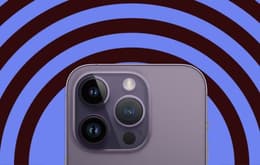
iPhone 12 Vs iPhone 14 Pro

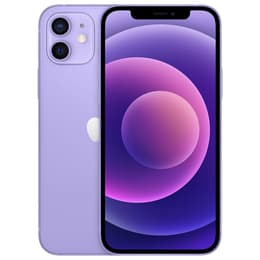
iPhone 12
iPhone 12
Starting at

Refurbished price:£141.00

Versus £649.00 new

See options
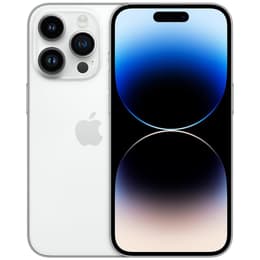
iPhone 14 Pro
iPhone 14 Pro
Starting at

Refurbished price:£304.00

Versus £1,099.00 new

See options

Ratings

The iPhone 12, released in 2020, and the iPhone 14 Pro, launched in 2022, represent two distinct eras of the modern smartphone experience. While the iPhone 12 introduced the flat-edge design and 5G connectivity that defined a generation, the iPhone 14 Pro pushed the boundaries further with hardware advancements and a redesigned interface. Both devices operate on the same iOS ecosystem, yet they cater to different user needs based on their internal capabilities and physical features. This comparison explores their differences in daily use and long-term utility, helping users decide which model best fits their lifestyle.

Scores

Durability

The gap in release dates between these two smartphones plays a significant role in their expected functional lifespan and software compatibility.

  • Software Support Timeline: The iPhone 14 Pro, being two years newer, is expected to receive official software updates and security patches until at least 2028 or 2029. In contrast, the iPhone 12 will likely reach its final major update a few years earlier.
  • Physical Resilience: Both models feature a Ceramic Shield front cover for drop protection and an IP68 rating for water and dust resistance. However, the iPhone 14 Pro uses a stainless steel frame, which is more resistant to dents and scratches than the aluminium frame found on the iPhone 12.
  • Repairability and Maintenance: Both devices are designed with a modular approach, allowing for screen and battery replacements. Finding components for the iPhone 12 remains straightforward, though the iPhone 14 Pro benefits from refined internal layouts that can simplify certain professional repairs.

Year of Release

2020

2022

Compatible with latest Update

Yes

Yes

OS

iOS

iOS

Foldable

No

No

Performance

While both smartphones provide a responsive experience for standard applications, the iPhone 14 Pro offers additional power for intensive tasks and multitasking.

  • Everyday Responsiveness: The iPhone 14 Pro handles demanding activities, such as high-resolution gaming or exporting large video files, with ease and less heat generation than the iPhone 12. Users will notice that apps launch quickly and system animations remain fluid even under heavy load.
  • Multitasking Efficiency: With a higher amount of internal memory, the iPhone 14 Pro can keep more applications active in the background. This means users can switch between a web browser, a navigation app, and a social media feed without the device needing to reload the content as frequently as the iPhone 12.
  • Battery Management: The iPhone 14 Pro utilises efficient internal components and a screen that can adjust its power consumption based on what is being viewed. This results in longer usage times compared to the iPhone 12's traditional power management system.

Memory (GB)

4 GB

6 GB

Screen quality

The display technology is one of the most immediate differences users will notice, affecting everything from outdoor visibility to visual smoothness.

  • Visual Fluidity: The iPhone 14 Pro features a high refresh rate display that makes scrolling through lists and system animations appear fluid. This technology adjusts dynamically to save power when the screen is static but ramps up for a responsive feel during interaction.
  • Outdoor Visibility: In bright environments, the iPhone 14 Pro can reach higher brightness levels, ensuring the screen remains legible even under direct sunlight. The iPhone 12, while featuring a clear OLED panel, is best suited for indoor or shaded environments compared to the high-brightness Pro model.
  • Interface Innovation: The iPhone 14 Pro introduces the Dynamic Island, a pill-shaped area at the top of the screen that expands to show notifications and background activity. The iPhone 12 retains the traditional notch design for managing alerts.

Resolution

1170 x 2532

1179 x 2556

Screen type

Super Retina XDR OLED

LTPO Super Retina XDR OLED

Audiovisual

The camera systems represent a leap in technology, with the iPhone 14 Pro offering professional-grade tools that go beyond the capabilities of the iPhone 12.

  • Versatility in Photography: The iPhone 14 Pro includes a triple-lens system with a dedicated telephoto camera for optical zoom, allowing users to capture distant subjects without losing detail. The iPhone 12 relies on a dual-lens setup, which is excellent for wide-angle landscapes.
  • Low-Light Clarity: Thanks to larger sensors and advanced image processing, the iPhone 14 Pro captures greater detail in dark environments. Photos taken at night appear clearer on the iPhone 14 Pro, while the iPhone 12 remains a reliable choice for well-lit photography.
  • Video Capabilities: For those who record video, the iPhone 14 Pro offers advanced stabilisation and a cinematic mode that automatically shifts focus between subjects. It also supports high-quality recording formats that provide flexibility for users who enjoy editing their footage.

Main camera

12 megapixels

48 megapixels

Front camera

12 megapixels

12 megapixels

Miscellaneous

Several practical features and physical differences influence how these devices feel and function in a user's daily routine.

  • Safety and Connectivity: The iPhone 14 Pro is equipped with sensors for crash detection and the ability to contact emergency services via satellite. These safety features are absent on the iPhone 12, which focuses on core connectivity like 5G and Wi-Fi 6.
  • Weight and Ergonomics: Due to its stainless steel frame and larger camera hardware, the iPhone 14 Pro is noticeably heavier than the iPhone 12. Users who prefer a lightweight device that is easy to hold for long periods may find the iPhone 12 more comfortable.
  • Biometric Security: Both devices utilise face recognition for secure unlocking and payments. Both devices feature a Lightning port for charging and data transfer, though the iPhone 14 Pro supports faster data speeds through its internal controller.

Weight

164 g

206 g

Screen size (in)

6.1

6.1

Mobile network

5G

5G

SIM card

Physical SIM + eSIM

Physical SIM + eSIM

Carrier compatibility

Unlocked

Unlocked

Connector

Lightning

Lightning

In summary, the choice between the iPhone 12 and the iPhone 14 Pro depends largely on how much a user prioritises the latest display and camera innovations. Based on common feedback from user forums, the iPhone 12 is frequently praised for its comfortable, lightweight design and its ability to handle everyday tasks reliably even years after its release. Some users note that its battery life is sufficient for moderate use but may require more frequent charging for heavy users. On the other hand, the iPhone 14 Pro receives high marks for its fluid screen and its versatile camera system, though some owners find the device's weight to be a drawback for one-handed use.

Users who prioritise a lightweight phone for basic communication, social media, and casual photography will find the iPhone 12 to be a practical and capable companion. Conversely, users who require professional-level photo and video tools, a screen that is easy to read in all lighting conditions, and the peace of mind provided by newer safety features will likely lean toward the iPhone 14 Pro. Choosing a quality-assured refurbished option is a practical way to access these features while supporting a circular economy. Both models are available as an eco-friendly alternative for those looking to reduce their environmental impact while securing a high-performing smartphone. Both devices offer a stable experience within the same ecosystem.
See all articles

Our recent comparisons