iPhone 13 mini Vs iPhone SE (2022)

iPhone 13 mini
iPhone 13 mini
Starting at

Refurbished price:£185.00

Versus £649.00 new

See options
iPhone SE (2022)
iPhone SE (2022)
Starting at

Refurbished price:£102.00

Versus £429.00 new

See options

Ratings

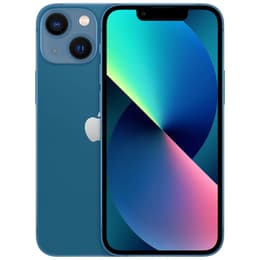
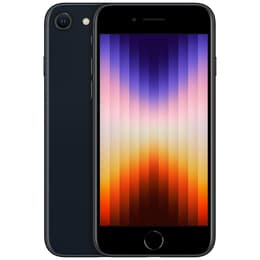
The iPhone 13 Mini, launched in late 2021, and the iPhone SE (3rd Generation), released in early 2022, represent two distinct approaches to compact smartphones within the Apple ecosystem. While both devices share similar internal processing power, they differ significantly in their physical design, display technology, and biometric security. The iPhone 13 Mini offers a modern, edge-to-edge screen experience in a remarkably small footprint, whereas the iPhone SE retains the classic design featuring a physical home button and thicker borders. Both devices run the same iOS operating system, providing users with a consistent software experience, regular security updates, and access to the extensive App Store library.

Choosing between these two models often comes down to a preference for modern aesthetics and advanced camera features versus a familiar, traditional interface. The iPhone 13 Mini serves as the final entry in the dedicated 'mini' flagship line, while the iPhone SE continues to cater to users who prefer the tactile feedback of a physical button and a more conventional smartphone layout. This comparison explores the practical differences that impact daily usage, helping you decide which compact device aligns with your specific needs and habits.

Scores

Durability

Both the iPhone 13 Mini and the iPhone SE (2022) are built with longevity in mind, benefiting from Apple's long-term software support and sturdy construction materials.

  • Software Longevity: Because both devices were released within months of each other and share the same internal architecture, they are expected to receive iOS updates for a similar duration. Users can anticipate consistent software support and security patches until at least 2028 or 2029, making both models viable for several years of reliable use.
  • Physical Resilience: The iPhone 13 Mini features a Ceramic Shield front cover, which provides enhanced protection against drops compared to standard glass. It also carries an IP68 rating, allowing it to withstand submersion in water up to six metres for thirty minutes. In contrast, the iPhone SE uses toughened glass and has an IP67 rating, which protects it against splashes and brief submersion up to one metre.
  • Repairability and Maintenance: The iPhone SE utilizes a classic chassis design that is well-understood by technicians, often making certain repairs like screen replacements straightforward. The iPhone 13 Mini, while more complex due to its compact internal layout and Face ID sensors, remains serviceable through professional channels. Choosing a quality-assured refurbished option can also extend the lifecycle of these devices while ensuring they meet original functional standards.

Year of Release

2021

2022

Compatible with latest Update

Yes

Yes

OS

iOS

iOS

Foldable

No

No

Performance

Despite their small sizes, both smartphones deliver responsive performance that handles modern applications and multitasking with ease.

  • System Responsiveness: Both models provide a fluid user experience, with apps launching quickly and system animations remaining smooth. Whether you are browsing heavy websites, editing short videos, or switching between multiple social media apps, neither device shows signs of slowing down under typical daily workloads.
  • Battery Management: The iPhone 13 Mini, despite its smaller physical dimensions, often manages to provide slightly better battery endurance in streaming scenarios due to its more efficient display technology. The iPhone SE (2022) offers a reliable day of use for moderate users, though heavy users who frequently use GPS or high-brightness settings may find themselves reaching for a charger by early evening on both models.
  • Storage and Multitasking: The iPhone 13 Mini starts with a higher base storage capacity of 128GB, reaching up to 512GB, which is ideal for users who store many high-resolution photos and videos locally. The iPhone SE starts at 64GB and goes up to 256GB. Both devices possess enough temporary memory to keep several apps open in the background without frequent reloading, ensuring a seamless transition between tasks.

Memory (GB)

4 GB

4 GB

Screen quality

The display is perhaps the most significant differentiator between these two devices, affecting everything from outdoor visibility to media consumption.

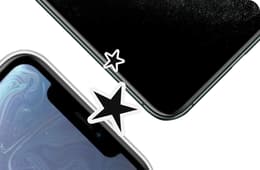
  • Display Technology: The iPhone 13 Mini utilizes an OLED panel, which produces deep blacks and high contrast by turning off individual pixels. This results in a more vibrant and immersive viewing experience. The iPhone SE uses a traditional LCD screen, which provides natural colour reproduction but lacks the true blacks and high dynamic range found on the Mini.
  • Clarity and Resolution: With a much higher pixel density, the iPhone 13 Mini offers sharper text and finer detail, which is noticeable when reading long articles or viewing high-quality images. The iPhone SE maintains a standard high-definition resolution that remains clear for everyday tasks but lacks the crispness of its more modern counterpart.
  • Brightness and Outdoor Use: The iPhone 13 Mini can reach higher peak brightness levels, making it easier to read the screen under direct sunlight. While the iPhone SE is perfectly legible in most indoor and shaded environments, users who spend a lot of time outdoors may find the Mini's screen more comfortable to view in bright conditions.

Resolution

1080 x 2340

750 x 1334

Screen type

Super Retina XDR OLED

Retina IPS LCD

Audiovisual

For users who prioritise photography and video, the hardware differences between these two models result in distinct creative capabilities.

  • Lens Versatility: The iPhone 13 Mini features a dual-camera system, including a dedicated ultra-wide lens that allows users to capture more of a scene, such as landscapes or group photos in tight spaces. The iPhone SE relies on a single wide-angle lens, which is excellent for standard portraits and snapshots but lacks the perspective flexibility of the Mini.
  • Low-Light Performance: A major advantage for the iPhone 13 Mini is the inclusion of a dedicated Night Mode, which automatically improves photo quality in dark environments by taking multiple exposures. The iPhone SE does not have a native Night Mode, meaning photos taken in dim lighting will generally show more grain and less detail compared to those from the 13 Mini.
  • Video and Audio: Both devices record high-quality 4K video with excellent stabilisation, but the iPhone 13 Mini introduces Cinematic Mode, which adds a shallow depth-of-field effect to videos. Additionally, the 13 Mini features more advanced stereo recording and playback, providing a wider soundstage when watching movies or listening to music without headphones.

Main camera

12 megapixels

12 megapixels

Front camera

12 megapixels

7 megapixels

Miscellaneous

Beyond the core specifications, several practical features influence how these phones feel and function in your hand during daily routines.

  • Biometrics and Security: The iPhone SE features Touch ID, allowing users to unlock the device and authorise payments with a fingerprint via the home button. The iPhone 13 Mini uses Face ID, which scans the user's face for hands-free unlocking. This choice is largely subjective, as some users prefer the tactile button while others enjoy the seamless nature of facial recognition.
  • Dimensions and Handling: Interestingly, the iPhone 13 Mini is physically smaller and lighter than the iPhone SE, despite having a larger screen. This makes the 13 Mini the ultimate choice for one-handed use and small pockets. The iPhone SE is slightly taller and wider, maintaining the classic dimensions that many users have grown accustomed to over the last decade.
  • Connectivity and Charging: Both phones support 5G for fast mobile data and include Lightning ports for charging. However, the iPhone 13 Mini supports MagSafe accessories, allowing for magnetic wireless charging and a variety of snap-on wallets or mounts. The iPhone SE supports standard Qi wireless charging but lacks the magnetic alignment and faster wireless speeds offered by MagSafe.

Weight

140 g

144 g

Width

6,42 cm

6 cm

Height

13,15 cm

13 cm

Depth

0,75 cm

0,73 cm

Screen size (in)

5.4

4.7

Mobile network

5G

5G

SIM card

Physical SIM + eSIM

Physical SIM + eSIM

Carrier compatibility

Unlocked

Unlocked

Connector

Lightning

Lightning

In summary, the iPhone 13 Mini and iPhone SE (2022) cater to different priorities within the compact smartphone market. User discussions on platforms like Reddit often highlight the iPhone 13 Mini for its impressive screen-to-body ratio and superior camera performance in dark settings. Conversely, the iPhone SE receives praise for its familiarity, with many users appreciating the reliability of the physical home button and the classic design that feels comfortable to those upgrading from older models. Some criticisms of the SE focus on its dated screen technology and lack of an ultra-wide camera, while the 13 Mini is occasionally noted for its higher repair complexity.

Users who prioritise a modern viewing experience, advanced photography features, and the smallest possible physical footprint will likely find the iPhone 13 Mini to be the better fit for their lifestyle. Those who prefer a traditional interface, the security of a fingerprint sensor, and a device that performs all essential tasks with modern speed will lean toward the iPhone SE. Both models are available as a sustainable choice through quality-assured refurbished options, which provide a reliable way to own these capable devices while reducing electronic waste. Ultimately, your decision should be guided by whether you value the cutting-edge display and camera of the Mini or the classic, button-driven utility of the SE.
See all articles

Our recent comparisons