iPhone 13 mini Vs iPhone 16

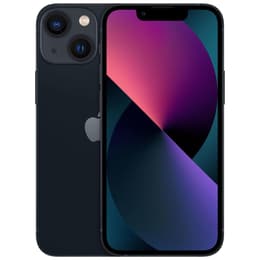
iPhone 13 mini
iPhone 13 mini
Starting at

Refurbished price:£185.00

Versus £649.00 new

See options
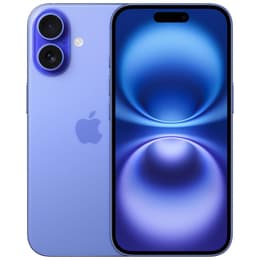
iPhone 16
iPhone 16
Starting at

Refurbished price:£484.00

Versus £699.00 new

See options

Ratings

The iPhone 13 Mini (2021) and the iPhone 16 (2024) represent two distinct philosophies within the smartphone market. While the iPhone 13 Mini was the final iteration of a compact flagship design, the iPhone 16 serves as the modern standard, incorporating the latest hardware advancements and a larger footprint. Both devices operate on the iOS platform, ensuring a familiar user experience, though the three-year gap between them means they cater to very different priorities regarding portability and technological capabilities.

The primary differentiator between these two models is their physical scale and the era of hardware they inhabit. The iPhone 13 Mini is designed for effortless one-handed use, whereas the iPhone 16 prioritises a more expansive screen and updated interaction methods. This comparison explores how these differences manifest in daily use, helping you decide which model aligns with your specific needs and lifestyle.

Scores

Durability

The age difference between these two models significantly impacts their long-term viability and the duration of software support they will receive from the manufacturer.

  • Software Longevity: The iPhone 16, launched in 2024, is expected to receive official operating system updates until at least 2031, whereas the iPhone 13 Mini, released in 2021, will likely see its support cycle conclude around 2027 or 2028.
  • Physical Resilience: Both devices feature a glass and aluminium construction, but the iPhone 16 utilises a more advanced version of toughened glass on the front, providing increased resistance to scratches and impacts compared to the older model.
  • Repairability and Sustainability: The internal architecture of the iPhone 16 has been redesigned to be more modular, making it easier for technicians to replace components like the battery or screen. Choosing a quality-assured refurbished option can also extend the lifecycle of these devices while ensuring they meet high functional standards.

Year of Release

2021

2024

Compatible with latest Update

Yes

Yes

Foldable

No

No

Performance

While both phones handle everyday tasks with ease, the newer model offers more headroom for demanding applications and significantly better battery endurance.

  • System Responsiveness: The iPhone 16 features more advanced internal hardware that allows it to manage intensive multitasking and high-end gaming without slowing down, while the iPhone 13 Mini remains efficient for standard apps but may feel the strain of future, more demanding software updates.
  • Battery Behaviour: Due to its larger physical size, the iPhone 16 houses a higher-capacity battery that can comfortably last through a full day of heavy use; in contrast, the iPhone 13 Mini has a smaller battery that often requires more frequent charging, especially for users who are active on their devices throughout the day.
  • Memory and Multitasking: The iPhone 16 is equipped with more temporary memory, which helps the system keep more applications open in the background, allowing for smoother transitions when switching between work, social media, and navigation tools.

Memory (GB)

4 GB

8 GB

Screen quality

Both devices utilise organic light-emitting diode (OLED) technology to produce deep blacks and vibrant colours, but they differ greatly in size and brightness levels.

  • Display Size and Viewing: The iPhone 13 Mini offers a 5.4-inch screen that is ideal for those who prefer a small device, while the iPhone 16 provides a 6.1-inch display that offers a much more immersive experience for watching videos or reading long documents.
  • Outdoor Visibility: The iPhone 16 can reach significantly higher peak brightness levels, making the screen much easier to read when used outdoors under direct sunlight compared to the iPhone 13 Mini, which may appear less clear in bright environments.
  • Interface Evolution: The iPhone 16 features a dynamic interface element at the top of the screen that expands to show notifications and background tasks, replacing the static notch found on the iPhone 13 Mini and providing a more interactive way to manage alerts.

Resolution

1080 x 2340

1179 x 2556

Screen type

Super Retina XDR OLED

Super Retina XDR OLED

Audiovisual

The camera systems on these devices have evolved from a standard dual-lens setup to a more versatile array capable of capturing much higher levels of detail.

  • Image Resolution: The iPhone 16 features a main camera with a significantly higher pixel count, allowing for much clearer photos that can be cropped or enlarged without losing sharpness, whereas the iPhone 13 Mini uses a more traditional resolution that is well-suited for casual social media sharing.
  • Photography Versatility: Users of the iPhone 16 can take advantage of macro photography for extreme close-ups of small objects and improved low-light performance, features that are more limited on the iPhone 13 Mini's older camera hardware.
  • Audio and Video Quality: The iPhone 16 includes advanced microphones and software that reduce wind noise and record spatial audio, resulting in more professional-sounding video recordings compared to the standard audio capture on the 13 Mini.

Main camera

12 megapixels

48 megapixels

Front camera

12 megapixels

12 megapixels

Miscellaneous

Practical differences in physical controls and connection standards mark a significant shift in how these two devices integrate with other hardware and accessories.

  • Connection Standards: The iPhone 16 adopts the universal USB-C port for charging and data transfer, allowing it to share cables with most modern laptops and tablets, while the iPhone 13 Mini uses the older, proprietary Lightning connector.
  • Physical Controls: The iPhone 16 introduces a customisable Action Button and a touch-sensitive Camera Control for quicker access to specific tools, whereas the iPhone 13 Mini retains the traditional mute switch on the side.
  • Handling and Weight: The iPhone 13 Mini is one of the lightest modern smartphones available, making it perfect for users who want a device that disappears in a pocket, while the iPhone 16 is larger and heavier but offers a more standard grip for most adults.

Weight

140 g

170 g

Screen size (in)

5.4

6.1

Mobile network

5G

5G

SIM card

Physical SIM + eSIM

Physical SIM + eSIM

Carrier compatibility

Unlocked

Unlocked

Connector

Lightning

USB-C (USB 2)

The choice between the iPhone 13 Mini and the iPhone 16 ultimately depends on whether you prioritise extreme portability or modern performance. Based on user feedback from various forums, the iPhone 13 Mini is frequently praised for its unique size, with many users considering it the last great compact phone. However, common criticisms often focus on its shorter battery life, which can be a challenge for power users. On the other hand, the iPhone 16 is lauded for its significantly improved battery endurance and the convenience of the USB-C port, though some users find the larger size less comfortable for one-handed operation.

Users who prioritise a lightweight, pocket-friendly device and do not mind charging more frequently may find the iPhone 13 Mini to be the ideal fit. Conversely, users who require a phone that can last a full day of intensive use, or those who want the latest camera features and longer software support, will likely lean toward the iPhone 16. For those looking to balance modern features with environmental responsibility, selecting a sustainable choice through refurbishment is an effective way to reduce electronic waste. Both devices remain highly capable, and your decision should rest on which physical form and feature set best supports your daily routine.

See all articles

Our recent comparisons