
Galaxy A56 Vs iPhone 13 Pro

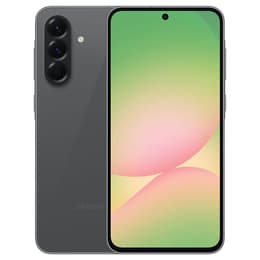
Galaxy A56
Galaxy A56
Starting at

Refurbished price:£274.00

Versus £422.50 new

See options
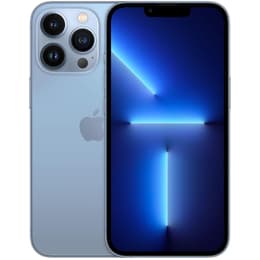
iPhone 13 Pro
iPhone 13 Pro
Starting at

Refurbished price:£239.00

Versus £1,159.00 new

See options

Ratings

The Samsung Galaxy A56 (2025) and the iPhone 13 Pro (2021) represent a fascinating choice between a modern mid-range device and a classic high-end flagship. While they were released nearly four years apart, they currently compete for the attention of users who prioritise reliability and a smooth daily experience. The Galaxy A56 brings the latest connectivity standards and a contemporary design language to the table, whereas the iPhone 13 Pro offers a level of material quality and camera precision that remains impressive years after its debut.

Operating on different ecosystems, the Galaxy A56 runs the latest version of Android with a focus on customisation and long-term software support. In contrast, the iPhone 13 Pro utilises iOS, known for its fluid animations and deep integration with other Apple services. Choosing between them often comes down to whether you prefer the longevity of a newer release or the refined, premium feel of a former top-tier model.

Scores

Durability

When evaluating how long these devices will remain functional and secure, the release dates play a significant role in their software lifecycles and physical resilience.

  • Software Longevity: The Galaxy A56 is designed for the long haul, with a commitment from the manufacturer to provide six years of major operating system upgrades and security patches, potentially keeping it current until 2031. The iPhone 13 Pro, while still receiving regular updates, is closer to the end of its primary support window, with expectations for major updates likely concluding around 2027 or 2028.
  • Build Materials and Repair: The iPhone 13 Pro features a surgical-grade stainless steel frame and Ceramic Shield glass, offering a sturdy feel that resists daily wear. The Galaxy A56 uses an aluminium frame and high-strength glass on both sides, providing modern durability with an IP67 rating for dust and water resistance. For those looking to extend a device's life, choosing a quality-assured refurbished option is a practical way to access these premium builds while ensuring the hardware has been professionally checked.
  • Practical Lifespan: Users can expect the Galaxy A56 to feel "newer" for longer due to its recent launch, while the iPhone 13 Pro relies on its high-performance internals to maintain a smooth experience as the software matures.

Year of Release

2025

2021

Compatible with latest Update

Yes

Yes

OS

Android

iOS

Foldable

No

No

Performance

Performance is not just about raw power; it is about how responsive the phone feels during everyday tasks like switching between apps, browsing the web, or playing games.

  • System Responsiveness: The iPhone 13 Pro continues to deliver a highly fluid experience, handling demanding applications and multitasking with ease thanks to its efficient internal architecture. The Galaxy A56, being a more recent mid-range contender, is optimised for modern apps and provides a snappy interface that handles social media, streaming, and productivity tools without hesitation.
  • Battery Endurance: The Galaxy A56 is often described by users as a "battery monster," frequently lasting through two full days of moderate use on a single charge. The iPhone 13 Pro offers respectable battery life that typically covers a full day, though heavy users may find themselves reaching for a charger by the evening, especially as the battery ages over several years of use.
  • Storage and Multitasking: Both devices offer ample memory for multitasking, though the Galaxy A56 provides higher capacity options for those who keep many apps open simultaneously. Storage options are generous on both, ensuring plenty of space for photos and documents without the need for constant management.

Memory (GB)

8 GB

6 GB

Screen quality

The display is the primary way you interact with your phone, and these two models offer distinct viewing experiences tailored to different preferences.

  • Display Technology: The Galaxy A56 features a large 6.7-inch Super AMOLED screen that is particularly bright, making it easy to read even in direct sunlight. The iPhone 13 Pro uses a 6.1-inch Super Retina XDR display, which is more compact but offers exceptional colour accuracy and deep blacks that are characteristic of high-end OLED panels.
  • Smoothness and Motion: Both phones support a 120Hz refresh rate, which makes scrolling through lists and navigating the interface feel incredibly smooth. The iPhone 13 Pro uses adaptive technology to adjust this rate automatically to save power, while the Galaxy A56 maintains a high level of fluid motion across all its menus and supported apps.
  • Viewing Experience: If you enjoy watching films or playing games on a larger canvas, the Galaxy A56 provides more screen real estate. Conversely, the iPhone 13 Pro is better suited for one-handed use and fits more comfortably in smaller pockets while still delivering a sharp, vibrant picture.

Resolution

1080 x 2340

1170 x 2532

Screen type

Super AMOLED

Super Retina XDR OLED

Audiovisual

Photography and video capabilities are often the deciding factor for many users, with both phones offering versatile setups for capturing daily moments.

  • Versatility and Zoom: The iPhone 13 Pro includes a dedicated telephoto lens, allowing for 3x optical zoom that brings distant subjects closer without losing detail. The Galaxy A56 relies on a high-resolution main sensor and an ultra-wide lens, which is excellent for capturing expansive landscapes or group photos but lacks the specialised zoom hardware of the iPhone.
  • Video and Low Light: The iPhone 13 Pro is widely regarded for its stable and professional-looking video recording, as well as its ability to focus quickly in dim environments using depth-sensing technology. The Galaxy A56 performs admirably in daylight, producing sharp and colourful images that are perfect for social sharing, though it may show more grain in very dark settings compared to the iPhone.
  • Audio and Media: Both devices feature stereo speakers that provide clear and loud audio for videos and calls. The microphone quality on the iPhone 13 Pro is particularly noted for its clarity during video recording, while the Galaxy A56 offers a balanced audio profile that works well for hands-free conversations.

Main camera

4K@30fps

12 megapixels

Front camera

13 megapixels

12 megapixels

Miscellaneous

Practical features like connectivity and physical handling can significantly impact your long-term satisfaction with a smartphone.

  • Connectivity and Ports: The Galaxy A56 uses the universal USB-C standard for charging and data transfer, which is compatible with most modern laptops and accessories. The iPhone 13 Pro uses the Lightning port, which may require specific cables if you are moving from a non-Apple device, though it supports MagSafe for convenient magnetic wireless charging.
  • Biometrics and Security: For unlocking the device, the Galaxy A56 utilises an under-display fingerprint sensor that is quick and convenient. The iPhone 13 Pro uses FaceID, which scans your features for secure access and is often praised for its reliability in various lighting conditions.
  • Weight and Handling: The iPhone 13 Pro has a noticeable weight due to its stainless steel construction, giving it a substantial and premium feel. The Galaxy A56 is slightly lighter despite its larger size, making it easier to hold for long periods during video marathons or extended browsing sessions.

Weight

197 g

203 g

Screen size (in)

6.5

6.1

Mobile network

5G

5G

SIM card

Dual Physical SIM + eSIM

Physical SIM + eSIM

Carrier compatibility

Unlocked

Unlocked

Connector

USB-C

Lightning

In summary, the choice between the Samsung Galaxy A56 and the iPhone 13 Pro depends largely on your priorities regarding software longevity versus material refinement. Based on user discussions and community consensus, the Galaxy A56 is frequently praised for its exceptional battery life and its large, vibrant display, making it a favourite for those who consume a lot of media. However, some users note that it can become warm during intensive tasks. The iPhone 13 Pro continues to receive accolades for its timeless design, superior video quality, and the consistent smoothness of the iOS experience, though its aging battery and older port standard are common points of criticism.

Users who prioritise having the latest software updates for years to come and want a device that can easily last two days on a charge will find the Galaxy A56 to be an excellent fit. On the other hand, those who prefer a more compact, premium-feeling phone with a highly capable camera system for photography and video will likely lean toward the iPhone 13 Pro. For those seeking a balance between high-end features and environmental responsibility, selecting an eco-friendly alternative through refurbishment is a practical path that ensures quality while supporting a more sustainable electronics cycle. Ultimately, both smartphones remain highly capable in 2026, providing reliable performance for a wide range of daily needs.


See all articles

Our recent comparisons