iPhones
Compare models
Differences at a glance
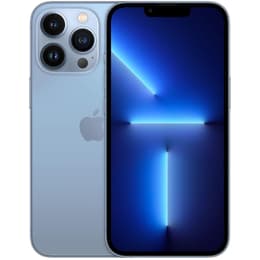
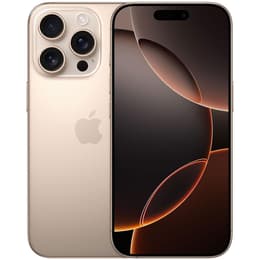
The iPhone 13 Pro (2021) and the iPhone 16 Pro (2024) represent two significant milestones in the professional smartphone line. While both share a philosophy of high-end performance and professional build quality, the three-year gap introduces notable advancements in display size, camera capabilities, and physical controls. Both models operate on the iOS ecosystem, ensuring a familiar experience, though the newer model is designed to support more advanced software features and integrated intelligence tools not available on the older hardware.
Colour
Storage
When evaluating the longevity of these two smartphones, the release timeline plays a crucial role in determining how long each will remain relevant and supported by software updates.
Year of Release
Compatible with latest Update
Foldable
The performance gap between these two generations is most evident when handling demanding applications or intensive multitasking scenarios.
The display experience has seen a physical transformation between these two models, moving toward larger viewing areas and improved visibility.
Resolution
Screen type
The camera systems on these devices cater to different levels of photographic needs, with the newer model offering more versatility in zoom and resolution.
Main camera
Front camera
Physical changes and connectivity standards mark the most practical day-to-day differences between these two professional-grade smartphones.
Weight
Screen size (in)
Mobile network
SIM card
Carrier compatibility
Connector
The choice between the iPhone 13 Pro and the iPhone 16 Pro depends on how much a user prioritises advancements in camera technology and design. Based on user feedback, the iPhone 13 Pro is a reliable workhorse that holds up well for daily tasks, with many finding its 3x zoom and compact size to be a perfect balance. However, some owners note that battery health on older units may require attention. The iPhone 16 Pro is viewed as a significant leap for those interested in mobile photography. The 5x zoom, dedicated camera button, and larger display are frequently cited as primary reasons for upgrading. Users who value current connectivity and the longest software support will naturally lean toward the newer model.
Ultimately, users who prioritise a familiar design and reliable performance for standard apps will find the iPhone 13 Pro to be a highly capable choice. Those who require advanced photographic tools, faster data transfer via USB-C, and a larger screen will find their needs met by the iPhone 16 Pro. For those looking to make a sustainable choice, opting for a quality-assured refurbished option provides these high-end features while reducing electronic waste. Both devices remain examples of professional-grade engineering.