Galaxy Z Fold5 Vs iPhone SE (2020)

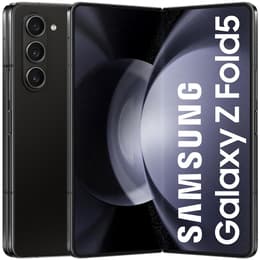
Galaxy Z Fold5
Galaxy Z Fold5
Starting at

Refurbished price:£413.00

Versus £1,770.61 new

See options
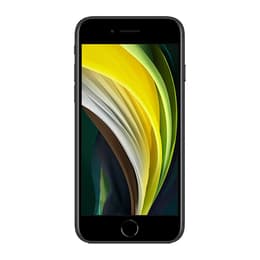
iPhone SE (2020)
iPhone SE (2020)
Starting at

Refurbished price:£67.00

Versus £289.00 new

See options

Ratings

The Samsung Galaxy Z Fold5, released in 2023, and the Apple iPhone SE 2020, launched in 2020, represent two vastly different philosophies in smartphone design. While the Galaxy Z Fold5 pushes the boundaries of mobile technology with its expansive folding display and multitasking capabilities, the iPhone SE 2020 focuses on a familiar, compact form factor that prioritises simplicity and ease of use. These devices run on Android and iOS respectively, offering distinct ecosystems for users with different software preferences and daily habits. This comparison explores how these two smartphones compare in practical, real-world scenarios.

Scores

Durability

The Galaxy Z Fold5 and iPhone SE 2020 sit at opposite ends of the smartphone timeline, which significantly impacts their expected functional lifespan and software compatibility. While the newer model benefits from modern construction techniques, the older device relies on a tried-and-tested physical design that has remained a staple for many years.

  • Software Longevity: The Galaxy Z Fold5, released in 2023, is expected to receive system updates and security patches for several years longer than the iPhone SE 2020, which is approaching the end of its official support cycle.
  • Physical Resilience: The iPhone SE 2020 features a solid, non-moving build that is less susceptible to mechanical wear, whereas the Galaxy Z Fold5 includes a complex hinge mechanism that requires careful handling over time.
  • Sustainability: Choosing a sustainable choice like a refurbished model can help extend the useful life of these devices and reduce electronic waste while ensuring the hardware remains functional for longer.

Year of Release

2023

2020

Compatible with latest Update

Yes

Yes

OS

Android

iOS

Foldable

Yes

No

Performance

Performance levels vary greatly between these two devices, primarily due to the different eras of hardware they represent and their intended use cases. One is built for intensive productivity and high-end gaming, while the other is optimised for efficiency and standard communication.

  • Multitasking and Speed: The Galaxy Z Fold5 handles multiple open windows and demanding applications with ease, providing a fluid experience for power users, whereas the iPhone SE 2020 remains responsive for everyday apps but may slow down when pushed with modern, heavy software.
  • Battery Endurance: Due to its larger physical size, the Galaxy Z Fold5 houses a battery that typically lasts through a full day of varied use, while the iPhone SE 2020 has a much smaller capacity that often necessitates more frequent charging for heavy users.
  • Storage Capacity: Users requiring significant space for files and media will find more generous options with the Galaxy Z Fold5, while the iPhone SE 2020 offers more modest internal storage that may fill up quickly for photo enthusiasts.

Memory (GB)

12 GB

3 GB

Screen quality

The viewing experience is perhaps the most striking difference between these two smartphones, as they utilise different display technologies and sizes to cater to different user needs. The choice between a massive, immersive canvas and a small, traditional screen defines how users interact with their content.

  • Display Technology: The Galaxy Z Fold5 uses a vibrant OLED display that offers deep blacks and high contrast, making it ideal for media consumption, while the iPhone SE 2020 uses a standard LCD that provides natural colours but lacks the same level of depth.
  • Smoothness and Clarity: With a high refresh rate, the Galaxy Z Fold5 ensures fluid scrolling and animations, whereas the iPhone SE 2020 operates at a standard rate that feels less smooth during fast-paced movement.
  • Outdoor Visibility: The Galaxy Z Fold5 reaches much higher brightness levels, ensuring the screen remains legible even in direct sunlight, a task that the iPhone SE 2020 struggles with in very bright environments.

Resolution

1812 x 2176

750 x 1334

Screen type

Foldable Dynamic AMOLED 2X

Retina IPS LCD

Audiovisual

Camera capabilities and media playback are areas where the gap in release years is quite evident, with one device offering a versatile multi-lens system and the other sticking to a single, reliable sensor. Both devices aim to provide clear results, but their flexibility in different lighting conditions varies.

  • Camera Versatility: The Galaxy Z Fold5 features three distinct rear lenses, allowing users to zoom in on distant subjects or capture wide landscapes, while the iPhone SE 2020 has a single lens that is best suited for standard portraits and snapshots.
  • Video and Audio: Video recording on the Galaxy Z Fold5 is highly stable with advanced features for creators, complemented by loud, balanced speakers, whereas the iPhone SE 2020 provides clear video for casual use but has a more basic audio output.
  • Low-Light Performance: The newer hardware in the Galaxy Z Fold5 allows it to capture more detail and less noise in dark environments, while the iPhone SE 2020 requires ample lighting to produce the best possible image quality.

Main camera

50 megapixels

12 megapixels

Front camera

4 megapixels

7 megapixels

Miscellaneous

Practical features such as connectivity and physical handling play a major role in the daily user experience, with each device offering unique advantages based on its size and port selection. These elements often determine how well a phone integrates with a user's existing accessories and lifestyle.

  • Connectivity Standards: The Galaxy Z Fold5 supports the latest high-speed 5G mobile networks for faster downloads and streaming, while the iPhone SE 2020 is limited to 4G standards that may feel slower in congested areas.
  • Port and Biometrics: The Galaxy Z Fold5 uses a universal USB-C port and a side-mounted fingerprint reader, whereas the iPhone SE 2020 uses a Lightning port and a front-facing home button for secure access.
  • Portability and Weight: The iPhone SE 2020 is exceptionally light and easy to use with one hand, while the Galaxy Z Fold5 is significantly heavier and bulkier, often requiring two hands for comfortable operation.

Weight

150 g

148 g

Screen size (in)

7.6

4.7

Mobile network

4G

4G

SIM card

Dual Physical SIM + eSIM

Physical SIM + eSIM

Carrier compatibility

Unlocked

Unlocked

Connector

USB-C

Lightning

The Galaxy Z Fold5 and iPhone SE 2020 cater to fundamentally different audiences. User consensus on public forums suggests that the Galaxy Z Fold5 is a transformative device for those who value a large screen for work and entertainment, though some users find the weight and the screen crease to be minor distractions. On the other hand, the iPhone SE 2020 is frequently lauded for its compact size and the reliability of its physical home button, though its short battery life is a common point of frustration for those who use their phones heavily throughout the day.

Users who prioritise a tablet-like experience, advanced multitasking, and the latest connectivity will find the Galaxy Z Fold5 to be a well-suited choice for their needs. Conversely, users who prefer a small, lightweight device that is easy to operate with one hand and fits comfortably in any pocket may lean toward the iPhone SE 2020. For those looking to make an eco-friendly choice, a quality-assured refurbished option provides a way to access these technologies while supporting a more circular economy. Ultimately, the decision rests on whether a user values cutting-edge screen innovation or classic, compact reliability.

See all articles

Our recent comparisons